Dinner · Part 2 of 3: Instructions
Thai Red Curry Prawn Skillet in One Pan in Under 30 Minutes Step-by-step instructions
- Prep
- Cook
- Total
- Serves
- 4
Before you start
Gather everything before you turn on the stove, because the curry moves quickly once the coconut milk starts to simmer. Slice the red bell peppers into thin strips and trim the snap peas, then set them in a bowl within easy reach. Peel and devein the prawns, pat them dry, and keep them chilled in the refrigerator until the moment they go into the pan.
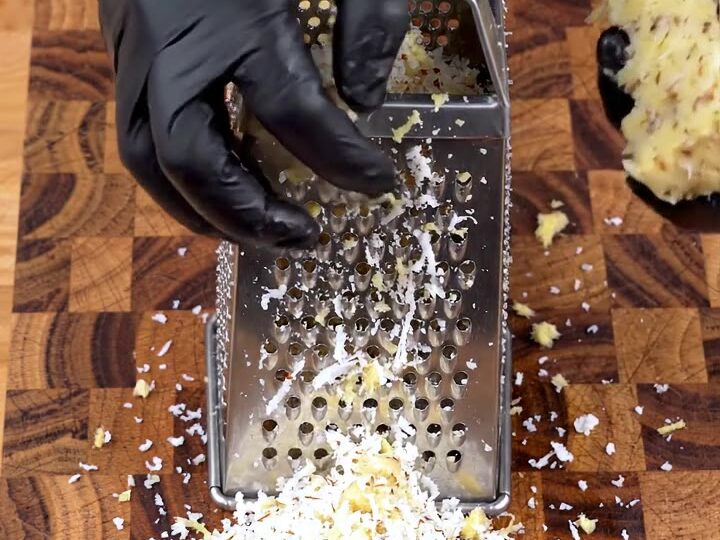
Grate the fresh coconut and the galangal or ginger on a box grater, letting the fine shreds fall onto a small plate. Measure the red curry paste, fish sauce and sugar into separate small dishes so you can add each one without pausing. Tear the Thai basil leaves and slice the red chilies, and set them aside on a board.
Ingredients at a glance (11)
- 1 lb raw prawns, peeled and deveined
- 1 can (13.5 oz) full-fat coconut milk
- 3 tbsp red curry paste
- 1/2 cup fresh coconut, finely grated
- 1 tbsp fresh galangal or ginger, finely grated
- 2 tbsp fish sauce
- 1 pinch sugar
- 2 red bell peppers, thinly sliced
- 1 cup snap peas
- 1/2 cup Thai basil leaves, torn
- 2 red chilies, sliced
Instructions
Build the coconut curry base
- Slice peppers and prep prawnsSlice the red bell peppers into thin strips and set them aside with the snap peas. Peel and devein the prawns, then keep them chilled in the refrigerator until the curry is ready. Set out the grated coconut and aromatic root.Look for Pepper strips are thin and even, and the prawns are fully peeled and deveined.Tip Keep the raw prawns cold in the refrigerator and out of the pan until the sauce is simmering.
After about three minutes, the coconut milk should be simmering gently and the curry paste should be fully dissolved into it, with a thin ribbon of red oil separating along the edges of the pan. The aroma should be warm and spicy, not scorched or bitter. The surface should look smooth and glossy rather than grainy or clumped.
If the paste is still sitting in lumps, keep stirring over medium heat for another minute until the base is even. Once the oil has separated and the smell is rich, you are ready to add the coconut and aromatics without any risk of the sauce breaking or burning in the pan.
Thicken the sauce with vegetables
- Simmer the coconut baseHeat the coconut milk in the cast-iron skillet over medium heat. Stir in the red curry paste and simmer until fragrant and the oil starts to separate at the edges, about 3 minutes.Look for The surface shimmers with a thin layer of red oil and smells fragrant.Tip Stir the paste into the milk until it dissolves so the curry stays smooth.
- Add coconut, aromatics and seasoningsStir in the grated coconut and galangal or ginger. Add the fish sauce and a pinch of sugar, then stir in the sliced peppers and snap peas. Keep stirring with a ladle as the sauce thickens to a deep orange-red.Look for The sauce coats the back of the ladle and turns a deep orange-red.Tip Lower the heat slightly if the sauce spits, so it thickens without scorching.
- Cook the prawns in the curryAdd the peeled prawns to the bubbling curry and cook, turning them in the sauce, until they turn pink and opaque with curled bodies. Cook until no grey translucent flesh remains, about 3 minutes.Look for Prawns are pink, opaque and curled, with no grey translucent flesh.Safe temperature 145°F (63°C) internal temperature (shellfish)Tip Prawns cook quickly, so pull the pan off the heat as soon as they curl.
Once the grated coconut, aromatics, fish sauce, sugar, peppers and snap peas are all in, the sauce should be bubbling steadily and beginning to thicken. Stir with the ladle and scrape the bottom so nothing sticks. When you lift the ladle, the sauce should coat the back of it in a glossy layer and turn a deep orange-red. The peppers should look bright and still hold their shape, and the snap peas should be a vivid green. Taste the sauce now and adjust with a little more fish sauce or sugar if needed before the prawns go in, since seasoning is much harder to correct after the seafood is cooked.
Cook the prawns to pink and opaque
- Finish with basil and chiliesToss in the torn Thai basil leaves and sliced red chilies. Use tongs to lift and arrange the glossy prawns on top of the curry, then serve straight from the skillet.Look for The basil leaves wilt into the sauce and the chilies look bright red.Tip Add the basil off the heat so its aroma stays bright and fresh.
The prawns are done when they have turned pink and opaque all the way through, with their bodies curled into loose C shapes. Check the thickest part of each prawn: it should no longer look grey or translucent. Cook them for about three minutes, turning them gently in the sauce, and do not let them boil hard, which makes them tough. The curry should still be bubbling around the edges and smelling fragrant. Once every prawn has curled and turned pink, remove the skillet from the heat before you add the basil and chilies, so the herbs stay bright and the prawns stay tender.
Common mistakes
The most common mistake is cooking the prawns too long. Prawns go from tender and sweet to rubbery within a minute or two once they turn opaque, so watch them closely and take the skillet off the heat as soon as they curl. Another frequent problem is adding the curry paste to coconut milk that is already boiling hard, which can scorch the paste and leave a bitter taste.
Keep the heat at a steady medium so the oil separates slowly and the aroma opens up without burning. Skipping the taste test before adding the prawns is also a mistake, because fish sauce and curry paste vary in saltiness and the sauce should be balanced before the seafood goes in.
How to tell it’s done
The prawns are cooked when they are pink and opaque all the way through, with curled bodies and no grey, translucent flesh left at the center. For shellfish, the safe internal temperature is 145°F (63°C), and the curl and color are the everyday signs that it has been reached. Press one prawn with a fork: the flesh should separate into firm, moist pieces rather than look glassy.
The sauce should be thick enough to coat a spoon, glossy and deep orange-red, with pepper strips still holding their shape. If the prawns still look grey in the center after they curl, give them another minute on low heat, then check again. Stop cooking as soon as the flesh is opaque, because overcooked prawns become dry and rubbery even in a rich curry.
- Shellfish: 145°F (63°C) in the thickest part
Up next · Part 3 of 3
4 variations · storage & make-ahead · 5 answers · printable card
Tips, FAQ & printable recipe (Part 3)← Back to the ingredients (Part 1)