Dinner · Part 2 of 3: Instructions
Thai Red Curry Prawn Skillet in One Pan in 30 Minutes Step-by-step instructions
- Prep
- Cook
- Total
- Serves
- 4
Before you start
Gather everything before you turn on the stove, because the curry moves quickly once the aromatics hit the oil. Lay the raw prawns out on a board, keep them cold and cover them until you need them, and never leave them at room temperature for more than 30 minutes. Slice the red bell pepper and the green chilies, tear the basil leaves into rough pieces, and crush the whole peppercorns with the side of a knife or a mortar.
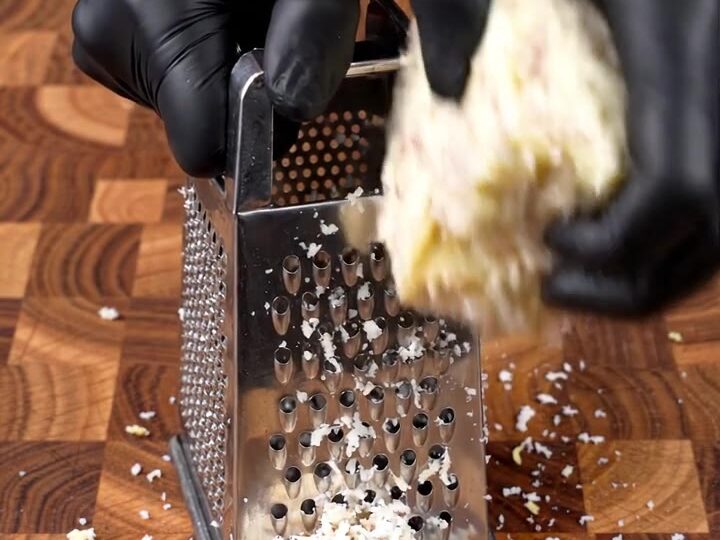
Peel the ginger or galangal and grate it on a box grater so fine shreds fall onto the board, ready to go straight into the pan. Measure the red curry paste, fish sauce, palm sugar and lime juice into small bowls so each goes in at the right moment. Open the coconut milk and have a spoon ready to stir.
Ingredients at a glance (13)
- 1 lb raw shell-on prawns, peeled or shell-on as preferred
- 1 red bell pepper, seeded and sliced
- 2 fresh green chilies, thinly sliced
- fresh red chilies, sliced, for garnish, to taste
- 1 handful fresh basil leaves, torn
- whole black peppercorns, crushed, to taste
- 2 inches fresh ginger or galangal, peeled and finely grated
- 2 tbsp neutral vegetable oil
- 2 tbsp red curry paste
- 1 can (13.5 oz) coconut milk
- 1 tbsp fish sauce
- 1 tsp palm sugar, or light brown sugar
- 1 lime, for a squeeze of juice
Instructions
Coconut base seasoned and balanced
- Prep the prawns and aromaticsArrange the raw prawns on a board with the sliced red bell pepper, green chilies, basil and crushed peppercorns. Using a box grater, grate the ginger or galangal so fine shreds fall onto the board. Keep the prawns refrigerated until you are ready to cook, and never leave them out for more than 30 minutes.Look for Prawns look glossy and the ginger forms fine, fragrant shreds.Tip Peel the ginger with a spoon edge so less of the flesh is lost.
After the first phase, the oil should smell warm and fragrant with ginger, and the red curry paste should have darkened to a deeper brick red while releasing a rich, toasty scent. The grated ginger should look golden at the edges rather than pale or raw. Check that the paste has not burned or turned black, because bitter paste will carry into the whole dish. If the paste is clinging to the pan, lower the heat slightly and stir with the wooden spoon before adding the coconut milk. Once the color is deep and the smell is full, you can move on confidently to the simmering stage.
Prawns cooked in red curry sauce
- Fry aromatics and curry pasteHeat the oil in a cast iron skillet over medium heat. Add the grated ginger and fry for about 1 minute until fragrant. Stir in the red curry paste and cook for 1 to 2 minutes, until it darkens and releases its scent.Look for The kitchen smells sharp and aromatic and the paste turns deeper red.Tip Lower the heat if the paste starts to catch on the bottom of the pan.
- Simmer the coconut curry basePour in the coconut milk and bring it to a gentle simmer over medium-low heat. Season with the fish sauce, palm sugar and a squeeze of lime juice. Stir until the sugar dissolves and the sauce is smooth.Look for Small bubbles break across a smooth, fragrant coconut sauce.Tip Taste and adjust with more lime or fish sauce before adding the seafood.
- Add the red pepper and prawnsAdd the sliced red bell pepper and stir it into the sauce. Lay the prawns in the skillet and spoon the sauce over them. Cook for 3 to 5 minutes, until the prawns turn pink and curl and the sauce thickens and reddens. Make sure the prawns reach 145°F (63°C) before serving.Look for Prawns are opaque pink, curled, and the sauce clings to them.Safe temperature 145°F (63°C) internal temperature (shellfish)Tip Keep the heat at a steady simmer so the prawns cook evenly without toughening.
At the end of the second phase, the coconut milk should be simmering gently with small bubbles breaking across a smooth, fragrant surface, and the sauce should taste balanced between savory fish sauce, gentle palm sugar sweetness and bright lime acidity. Stir well so the sugar dissolves completely and no grains sit at the bottom.
Taste a small spoonful and adjust with more lime juice or fish sauce if needed, since the prawns will not change the seasoning much. The sauce should look smooth and slightly thinner than the finished curry. Only add the red pepper and prawns once the base tastes right, because the seafood absorbs flavor quickly.
Final Glaze and Plating
- Finish and serve in the skilletLadle a spoonful of thick curry sauce over the prawns for a glossy finish. Scatter the torn basil leaves and sliced red chilies over the top. Serve straight from the skillet while the sauce is hot.Look for The sauce coats the prawns in a thick, glossy orange-red layer.Tip Add the basil at the very end so it keeps its bright green color and aroma.
Every ingredient is evenly coated, fragrant and progressing at a steady gentle sizzle without sticking to the pan surface. Take a moment to check the color, texture and aroma before moving on to the next stage.
Common mistakes
The most common mistake is adding the coconut milk before the curry paste has darkened and released its scent. The sauce will taste flat and raw, and the color will stay pale instead of deep red. Another frequent problem is boiling the coconut milk hard, which can make it separate and turn oily; keep the heat at a gentle simmer throughout.
Overcooking the prawns is the third trap: they curl tightly and turn rubbery within a minute or two once they are pink, so pull the skillet off the heat as soon as they are opaque. Leaving the prawns out of the fridge for a long time before cooking also risks food safety. Finally, adding the basil too early dulls its color and aroma, so tear it in at the end.
How to tell it’s done
The prawns are done when they have turned fully opaque pink, curled into a loose C shape and feel firm but springy when pressed. The sauce should have thickened enough to coat the back of a spoon and show a warm, glossy red color. For food safety, check that the prawns reach an internal temperature of 145°F (63°C); a thermometer inserted into the thickest prawn confirms it.
Prawns that are still grey, translucent or straight rather than curled need another minute or two over gentle heat. Do not let the sauce reduce so far that it becomes sticky, and do not serve prawns that are still opaque in the center. The skillet should smell sweet, spicy and fragrant with no raw paste notes left.
- Shellfish: 145°F (63°C) in the thickest part
Up next · Part 3 of 3
4 variations · storage & make-ahead · 5 answers · printable card
Tips, FAQ & printable recipe (Part 3)← Back to the ingredients (Part 1)