Dinner · Part 3 of 3: Tips & recipe card
Tender Slow Cooker Country-Style Boneless Pork Ribs Tips, FAQ & printable recipe
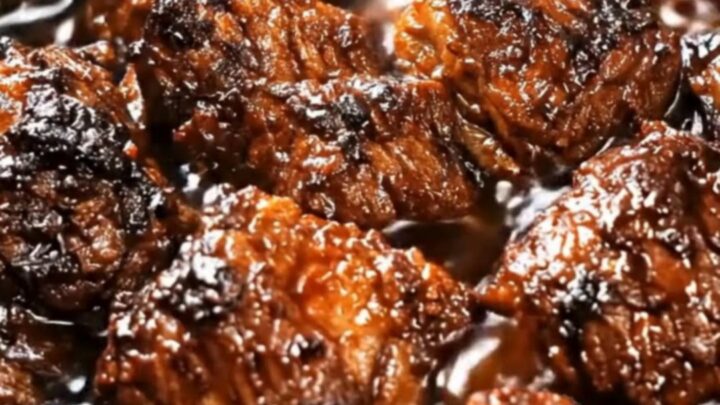
- Prep
- Cook
- Total
- Serves
- 4
Tips for success
For an extra layer of caramelized texture, transfer the cooked, glazed ribs to a foil-lined baking sheet during the last few minutes of preparation.
Brush them with additional BBQ sauce and broil them on high for three to five minutes until the edges become crispy and charred. Watch them closely to prevent burning.
If the cooking liquid in the slow cooker seems too thin at the end of the cooking cycle, pour it into a small saucepan and simmer it over medium heat on the stovetop.
Let it reduce for ten minutes until it thickens into a rich, pourable gravy that can be drizzled over the ribs before serving.
Variations
- Spicy Barbecue Ribs: Stir a teaspoon of cayenne pepper or chopped chipotle peppers in adobo sauce into the BBQ sauce before cooking for a fiery kick.
- Smoky Bourbon Ribs: Stir two tablespoons of bourbon into the BBQ sauce before pouring it over the pork for a deep, smoky flavor.
Storage and make-ahead
- Fridge
- Store the ribs in an airtight container in the refrigerator for up to three to four days.
- Freezer
- Freeze the cooked ribs in a freezer-safe container or heavy-duty bag with the sauce for up to three months.
- Reheat
- Reheat the ribs in a covered baking dish at 325°F (163°C) for fifteen minutes, or in the microwave until heated through.
Allow the cooked pork ribs to cool completely for no more than two hours at room temperature before transferring them to an airtight container.
Pour any remaining glaze from the slow cooker over the meat to keep it moist during storage. Seal the container tightly to preserve freshness.
These ribs can easily be prepared a day in advance. Cook them fully, let them cool, and store them in the refrigerator inside their sauce. The flavors will continue to develop and deepen overnight, making the ribs taste even better when reheated and served the next day.
Serving ideas
Serve these tender country-style ribs alongside classic barbecue side dishes to create a complete, comforting meal.
Excellent options include creamy coleslaw, buttery corn on the cob, baked beans, or fluffy mashed potatoes, which are perfect for soaking up the extra caramelized BBQ sauce from the plate.
For a modern twist, shred the tender pork and serve it piled high on toasted brioche buns with a drizzle of fresh sauce and a spoonful of crisp pickles. This makes for an incredibly satisfying sandwich that is perfect for casual gatherings, game days, or quick weeknight dinners.
Frequently asked questions
Can bone-in country-style ribs be used for this recipe?
Why are the country-style pork ribs tough after cooking?
Is it necessary to add water or broth to the slow cooker?
Can the ribs be cooked on high instead of low?
Tender Slow Cooker Country-Style Boneless Pork Ribs
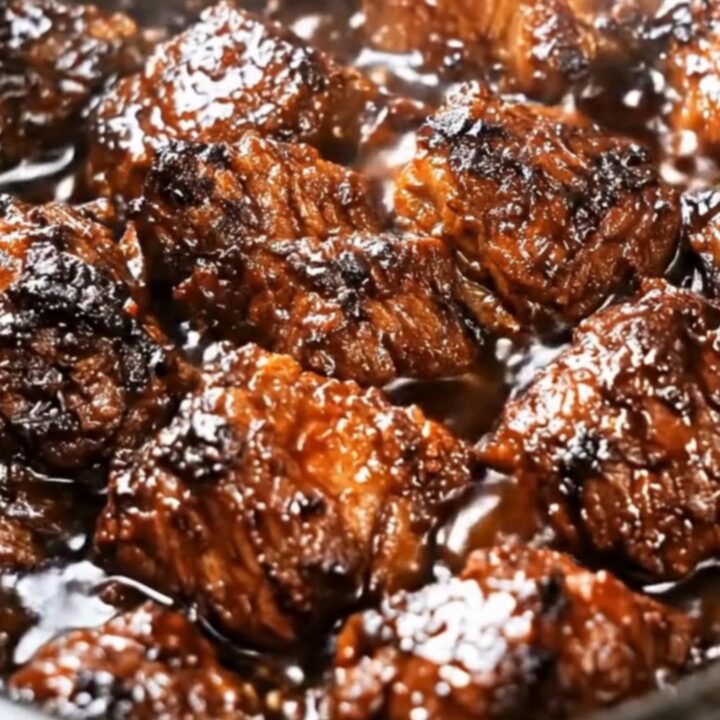
Ingredients
- 3 lb country-style boneless pork ribs, fat trimmed
- 2 cups BBQ sauce, divided
Instructions
- Place the country-style boneless pork ribs in a single layer at the bottom of the slow cooker insert. Ensure the meat is kept refrigerated until immediately before cooking to maintain food safety standards.
- Pour one and a half cups of the BBQ sauce over the pork ribs in the slow cooker, reserving the remaining half cup of sauce for later. Ensure the ribs are well coated.
- Cover the slow cooker with the lid and cook on low for six hours or on high for three to four hours until the pork is tender.
- Remove the lid and brush the remaining half cup of BBQ sauce over the tender ribs. Insert a meat thermometer to ensure the pork has reached an internal temperature of at least 145°F (63°C), though cooking to 195°F (91°C) provides the ultimate tender shredding texture. Let the meat rest for 10 minutes before serving.
Estimated nutrition per serving
- Calories
- 580
- Protein
- 42 g
- Carbohydrates
- 28 g
- Fat
- 32 g
- Fiber
- 1 g
- Sugar
- 24 g
- Sodium
- 980 mg
Next recipe
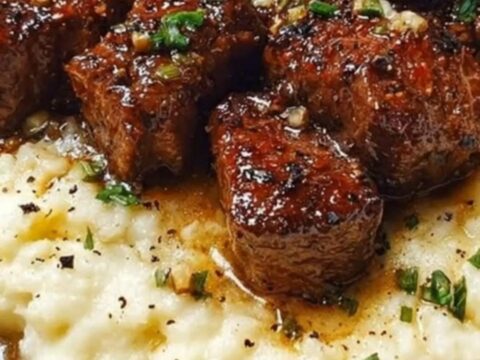
Garlic Butter Steak Bites over Creamy Mashed Potatoes
See the recipe → →This recipe is based on a short cooking video and is published under the pen name Clara Weller. It was checked before publication, but errors can slip through. Nutrition, when shown, is an estimate. Read more in our editorial policy and on our food safety page.
More recipes to try

Crispy Oven Baked Stuffed Chicken Breasts
Total time: 50 min
Cheesy Meatball and Mashed Potato Bake for Comfort Food Dinner
Total time: 40 min
French Onion Mushroom Pot Roast with Rich Gravy
Total time: 4 h
Golden Baked Garlic Parmesan Spaghetti with Stretchy Cheese
Total time: 35 min
Brown Sugar Glazed Sweet Potatoes with Toasted Pecans
Total time: 1 h