Dinner · Part 1 of 3: Ingredients
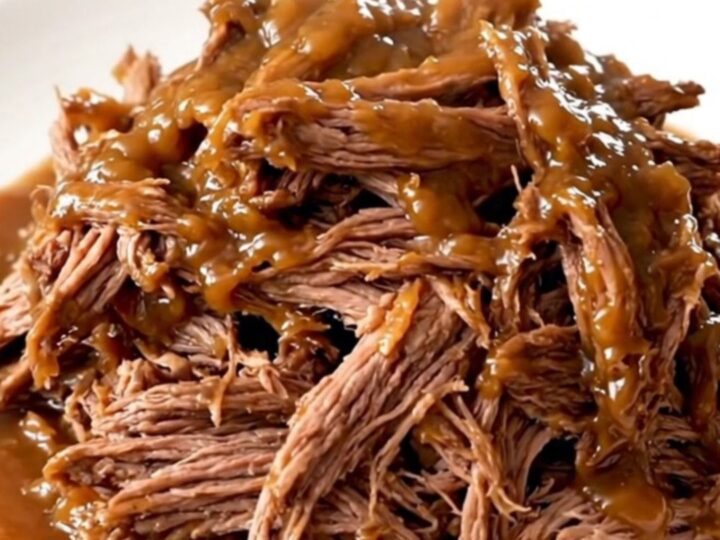
Tender Crockpot Apple Butter Pot Roast
- Prep
- Cook
- Total
- Serves
- 6
Discover the secret to a perfectly tender pot roast that balances savory depth with a hint of warm, spiced sweetness. This slow-cooked recipe turns a simple cut of beef into a gourmet-style meal with minimal effort.
By utilizing the natural sugars and spices in apple butter, the meat develops a rich, complex flavor profile that pairs beautifully with the softened onions. It is the ultimate solution for those who want a high-quality dinner without spending all day in the kitchen.
This Crockpot Apple Butter Pot Roast is designed for maximum flavor and minimal preparation. The slow cooking process allows the beef chuck to break down into succulent, tender strands while the onions melt into the spiced apple butter sauce.
This dish is ideal for busy weeknights or relaxed weekends when you want a hearty, comforting meal waiting for you. Because it relies on the slow cooker, you can simply set it and forget it, knowing that the resulting roast will be consistently delicious and perfectly cooked every time you prepare it.
Ingredients
Main Ingredients
- 3 lb beef chuck roast
- 1 large sweet onion, thinly sliced
- 1 packet pot roast seasoning
- 1 cup spiced apple butter
Why this recipe works
The slow cooker method is ideal for beef chuck roasts because it provides a gentle, consistent heat that breaks down connective tissues over several hours.
This process ensures the meat remains moist and becomes exceptionally tender, achieving a melt-in-your-mouth texture that is difficult to replicate with high-heat cooking methods. The long, slow braise allows the seasonings to penetrate deeply into the fibers of the meat, creating a cohesive and flavorful dish.
Using apple butter as a primary ingredient adds a unique depth of flavor that balances the savory, salty notes of the pot roast seasoning. The natural pectins and sugars in the apple butter help thicken the braising liquid as it cooks, creating a glossy, rich sauce that clings to the shredded beef. This combination of sweet and savory elements creates a sophisticated profile that elevates a standard pot roast into a memorable meal for any occasion.
Notes and substitutions
When selecting a beef chuck roast, look for one with consistent marbling throughout the meat. This fat will render during the long cooking time, contributing to the overall juiciness of the final dish. You can trim large pieces of exterior fat if desired, but keep some for moisture. If your slow cooker has a high-heat setting, it is still recommended to use the low setting for this recipe to ensure the most tender results possible.
While a standard packet of pot roast seasoning is convenient, ensure it is fresh to provide the best aroma and taste. If you prefer to customize your seasoning, a blend of dried thyme, rosemary, garlic powder, onion powder, and black pepper works wonderfully.
When choosing apple butter, ensure it is a high-quality, spiced variety to get the best results. If you cannot find spiced apple butter, a plain version can be augmented with a pinch of ground cinnamon and cloves.
- beef chuck roast: a beef brisket or a large beef bottom round roast can be used for a similar slow-cooked texture.
- spiced apple butter: use a mix of unsweetened applesauce with a teaspoon of cinnamon and brown sugar if apple butter is unavailable.
Equipment
- Slow cooker
- Glass measuring cup
- Sharp chef knife
- Cutting board
Up next · Part 2 of 3
3 steps · 8 h of cooking · what to look for at each stage
Step-by-step instructions (Part 2)