Dinner · Part 1 of 3: Ingredients
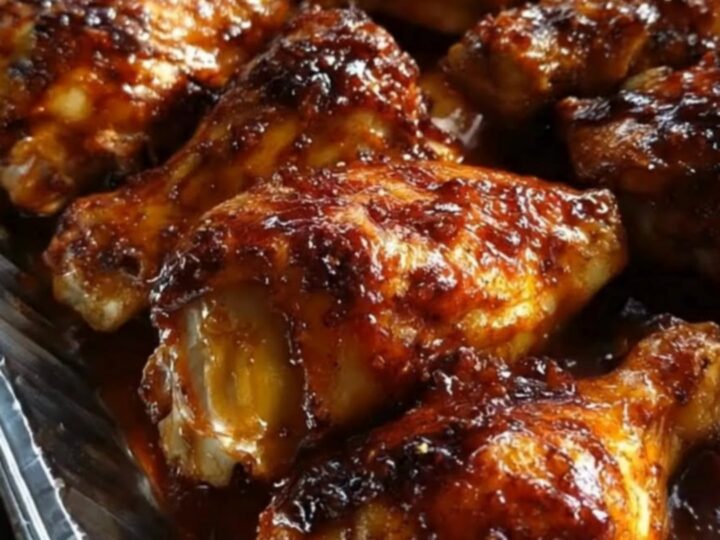
Sticky Honey Glazed Chicken Drumsticks
- Prep
- Cook
- Total
- Serves
- 4
Elevate your weeknight dinner with these irresistibly sticky honey glazed chicken drumsticks. This simple recipe transforms humble chicken into a gourmet experience with a sweet, savory, and perfectly caramelized glaze that sticks to every delicious bite. It is the kind of dish that brings warmth and satisfaction to the table, proving that you do not need complex techniques to create something truly memorable and professional in your own home kitchen.
This recipe is designed for ease and flavor. By using the natural sweetness of honey, you create a complex, sticky glaze that caramelizes beautifully in the oven. It is a straightforward method that yields professional results, making it an ideal choice for busy evenings when a satisfying, comforting meal is needed without the hassle of complicated techniques or long lists of ingredients.
Whether you are cooking for family or friends, these drumsticks are sure to impress with their glossy finish and incredibly tender meat. The process is streamlined to ensure you spend less time in the kitchen and more time enjoying your meal, providing a reliable way to achieve that perfect sticky texture every single time you cook.
Ingredients
- 8 pieces chicken drumsticks
Glaze
- 1/2 cup honey
Why this recipe works
The combination of high-heat roasting and a sugar-rich honey glaze creates a Maillard reaction that results in a deep, savory flavor profile. The honey not only adds sweetness but also acts as a thickening agent, ensuring the glaze clings to the chicken rather than running off into the pan.
This process is essential for achieving that signature sticky texture that defines the dish, creating a beautiful, glossy coating that enhances both the appearance and the taste of the roasted poultry.
Roasting the chicken on a foil-lined sheet allows for even heat distribution and easy cleanup. This method ensures that the skin renders its fat while the meat remains juicy, providing a perfect contrast between the crispy edges and the succulent, tender interior of the drumstick.
By controlling the oven environment, you ensure that the heat penetrates the meat evenly, resulting in a consistent texture that is neither dry nor undercooked, making it a reliable technique for any home cook.
Notes and substitutions
For the best results, ensure the honey is at room temperature for easier application, which helps achieve a smooth, consistent consistency in the glaze before it hits the hot oven.
If you find the glaze is browning too quickly, you can tent the chicken loosely with foil during the final few minutes of baking. This ensures the sauce caramelizes without burning, keeping the sugars from becoming bitter while the chicken finishes cooking through to the required temperature safely.
Using high-quality chicken drumsticks is key to the final texture of this dish. Look for pieces that are uniform in size to ensure they cook at the same rate. If you are using a different cut, such as thighs, adjust the cooking time accordingly to account for the thickness of the meat. Always keep your workspace clean and organized, as this makes the glazing process much more efficient and helps you maintain focus on achieving that perfect, sticky, and caramelized finish.
- honey: maple syrup or agave nectar can be used if honey is not available.
Equipment
- baking sheet
- aluminum foil
- mixing bowl
- tongs
- pastry brush
Up next · Part 2 of 3
3 steps · 40 min of cooking · what to look for at each stage
Step-by-step instructions (Part 2)