Dinner · Part 1 of 3: Ingredients
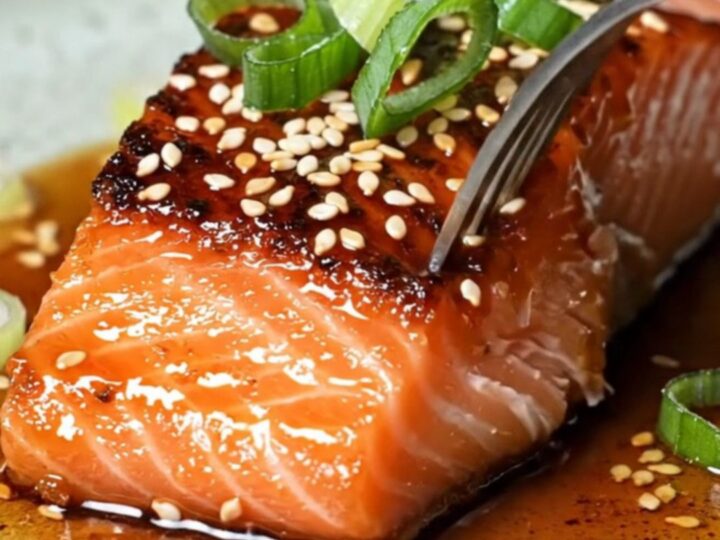
Sticky Gochujang Maple Glazed Salmon
- Prep
- Cook
- Total
- Serves
- 4
This sticky gochujang maple glazed salmon delivers a glossy, caramelized crust and a tender, buttery interior in under 15 minutes. The sweet heat of gochujang pairs with pure maple syrup for a deeply savory glaze that clings to every flake.
Searing the skin until crackling crisp, then broiling with the glaze, creates a restaurant-quality finish at home. It's the ultimate weeknight upgrade for salmon lovers.
Gochujang, the Korean fermented chili paste, brings a complex heat that's fruity, smoky, and slightly sweet. When whisked with maple syrup, soy sauce, sesame oil, and garlic, it transforms into a glossy glaze that caramelizes beautifully under the broiler.
This recipe uses a two-step method: first sear the salmon skin-side down to render the fat and crisp the skin, then coat with the glaze and broil until bubbling. The result is a sticky, sweet-spicy crust with a moist, flaky center. Perfect for a quick dinner that feels special.
Ingredients
- 2 tbsp gochujang paste
- 3 tbsp pure maple syrup
- 2 tbsp soy sauce
- 1 tbsp toasted sesame oil
- 3 cloves garlic, grated
- 4 salmon fillets (about 6 oz each), skin on
For serving
- 1 tsp toasted sesame seeds
- 2 scallions, cut into curls
Why this recipe works
Searing the salmon skin-side down first creates a crackling crisp crust that contrasts with the tender flesh. The high heat of a cast-iron skillet renders the fat and locks in moisture, while the skin acts as a barrier to prevent overcooking. This technique ensures the fish stays juicy and flaky on the inside.
Broiling the glaze after searing caramelizes the sugars in the maple syrup and gochujang, creating a thick, glossy coating that clings to the salmon.
The intense heat of the broiler mimics the effects of a blowtorch, giving the glaze a deep, complex flavor without drying out the fish. The result is a sticky, lacquered finish that looks as good as it tastes.
Notes and substitutions
Gochujang is available in most Asian markets and well-stocked supermarkets. It ranges in spiciness, so adjust the amount to your preference.
If you can't find it, a mix of sriracha and miso paste makes a decent substitute. Pure maple syrup is essential—avoid pancake syrup, which is corn-based and less flavorful.
Use salmon fillets with the skin on, preferably center-cut for even thickness. Pat them dry thoroughly before searing to ensure a crisp skin. A cast-iron skillet is ideal for even heat and easy transfer to the broiler, but any oven-safe skillet works. If using a non-stick pan, be sure it's broiler-safe.
- gochujang paste: Use 1 tablespoon sriracha mixed with 1 tablespoon miso paste for a similar sweet-spicy depth.
- pure maple syrup: Substitute honey or brown rice syrup, but reduce the amount to 2 tablespoons as they are sweeter.
- soy sauce: Use tamari or coconut aminos for a gluten-free option; adjust salt to taste.
- salmon fillets: Try thick white fish like arctic char or trout; adjust cooking time based on thickness.
Equipment
- Cast-iron skillet
- Small bowl
- Whisk
- Box grater or microplane
- Pastry brush
- Tongs
- Broiler pan or baking sheet
- Aluminum foil
Up next · Part 2 of 3
6 steps · 10 min of cooking · what to look for at each stage
Step-by-step instructions (Part 2)