Dinner · Part 3 of 3: Tips & recipe card
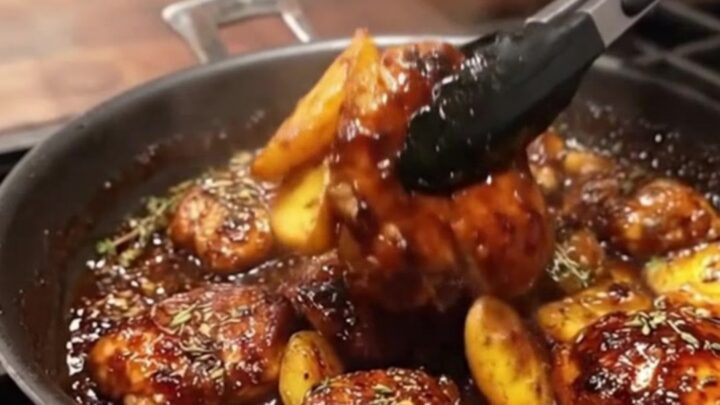
Sticky Glazed Skillet Chicken and Potatoes Tips, FAQ & printable recipe
- Prep
- Cook
- Total
- Serves
- 4
Tips for success
If the glaze becomes too thick or begins to burn before the chicken is fully cooked, add a tablespoon of water or broth to the pan. This will loosen the glaze and provide a little extra moisture to finish cooking the potatoes without affecting the overall flavor profile of the dish.
For an extra layer of flavor, consider adding a dash of freshly grated ginger or a finely minced clove of garlic along with the soy sauce. These aromatics complement the honey and soy perfectly and add a bright, fresh note to the final dish, though they are completely optional if you prefer a simpler flavor profile.
Variations
- Spicy Glazed Chicken: Add one teaspoon of red pepper flakes or a tablespoon of chili garlic sauce to the honey and soy mixture for a spicy kick that balances the sweetness of the glaze.
- Sesame Chicken and Potatoes: Sprinkle toasted sesame seeds over the finished dish along with the thyme to add a nutty aroma and a slight crunch that complements the sticky texture of the glaze.
Storage and make-ahead
- Fridge
- Keep in an airtight container for up to 3 days.
- Freezer
- Not recommended for freezing as the potatoes will lose their texture.
- Reheat
- Reheat in a skillet over low heat with a splash of water until hot.
Store any leftovers in an airtight container in the refrigerator for up to 3 days. Ensure the food cools to room temperature within 2 hours before placing it into the fridge.
When reheating, use a skillet over medium-low heat with a splash of water to loosen the glaze, or microwave in short intervals until thoroughly heated.
You can prepare the potato wedges and pat the chicken dry several hours in advance. Store them separately in the refrigerator until you are ready to cook.
The glaze ingredients can also be mixed together ahead of time and kept in a small jar, which helps speed up the cooking process when it is time to assemble the meal.
Serving ideas
Serve this dish immediately while the glaze is hot and sticky. It pairs excellently with a side of steamed green beans or a simple crisp green salad to balance the richness of the honey soy glaze.
Arrange the chicken and potatoes on a large platter and garnish generously with fresh thyme to brighten the presentation.
The glaze is the highlight of this meal, so consider serving it with a side of fluffy white rice or crusty bread to mop up any remaining sauce in the pan.
The combination of the tender chicken, caramelized potatoes, and the savory-sweet sauce makes for a complete and satisfying meal that requires very little else to be fully enjoyed.
Frequently asked questions
Can boneless chicken breasts be used instead of thighs?
Why is it important to rest the chicken after cooking?
How can the glaze be prevented from burning?
Sticky Glazed Skillet Chicken and Potatoes
Ingredients
- 4 pieces boneless skinless chicken thighs
- 1 lb gold potatoes, cut into wedges
- 1/4 cup honey
- 1/4 cup soy sauce
- fresh thyme, for serving
Instructions
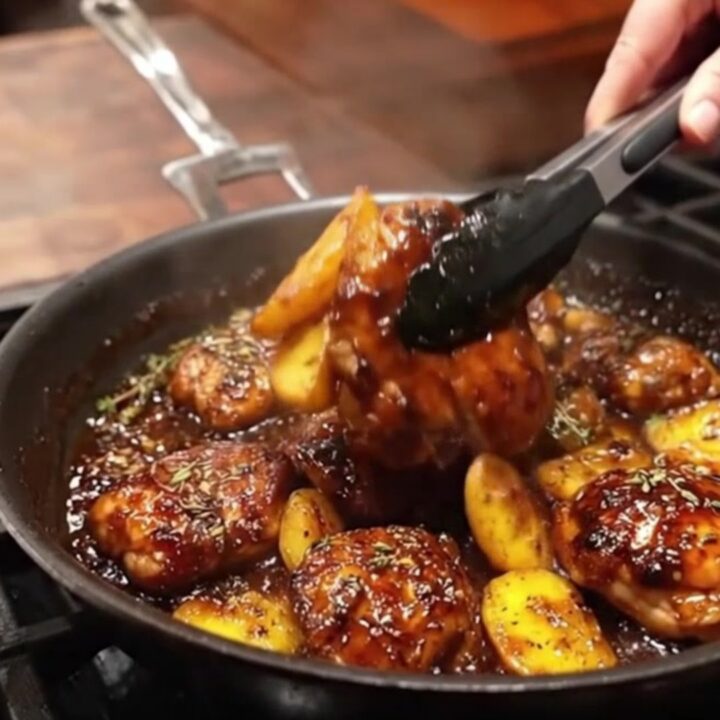
- Heat a large skillet over medium-high heat. Add the chicken thighs and potato wedges to the pan, searing them until the chicken is browned and the potatoes start to soften, turning occasionally with tongs to ensure even cooking.
- Pour the honey and soy sauce mixture over the chicken and potatoes. Reduce the heat to medium and continue to cook, turning the chicken and potatoes frequently so they are evenly coated in the bubbling, thickening glaze.
- Continue cooking until the chicken reaches an internal temperature of 165°F (74°C). Remove the pan from the heat, sprinkle with fresh thyme, and let the chicken rest for 5 minutes before serving.
Estimated nutrition per serving
- Calories
- 420
- Protein
- 28 g
- Carbohydrates
- 35 g
- Fat
- 18 g
- Fiber
- 2.5 g
- Sugar
- 18 g
- Sodium
- 850 mg
Next recipe

Crispy Chicken Cordon Bleu with Melted Swiss Cheese
See the recipe → →This recipe is based on a short cooking video and is published under the pen name Clara Weller. It was checked before publication, but errors can slip through. Nutrition, when shown, is an estimate. Read more in our editorial policy and on our food safety page.
More recipes to try
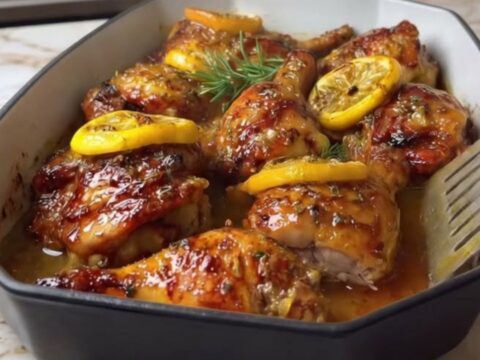
Honey Lemon Garlic Chicken Thighs for a Quick and Flavorful Dinner
Total time: 50 min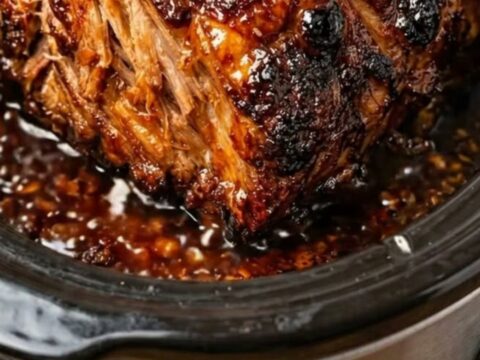
Slow Cooker Honey Garlic Glazed Pork Roast
Total time: 8 h 15 min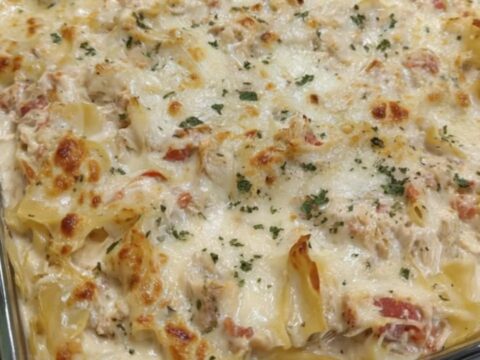
Creamy Chicken Spaghetti Lasagna Bake for Busy Weeknights
Total time: 50 min
Creamy Baked Macaroni and Cheese with Ground Beef
Total time: 55 min
Cheesy Ground Beef and Rice Casserole
Total time: 1 h 5 min