Dinner · Part 1 of 3: Ingredients
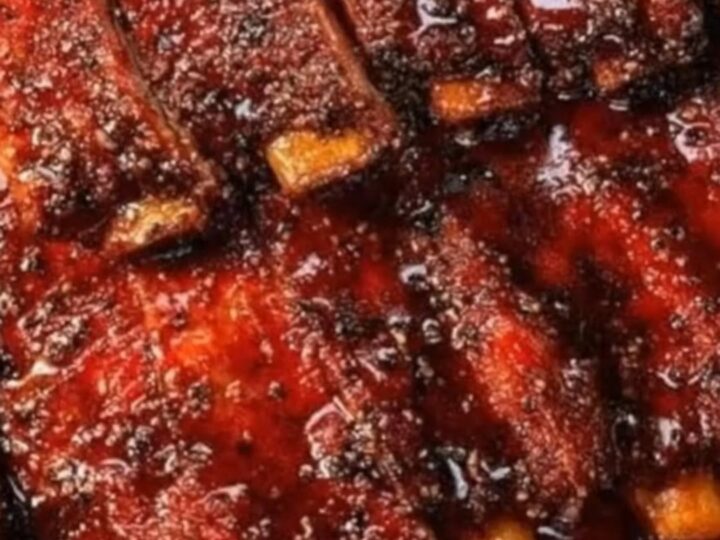
Sticky Glazed BBQ Ribs for Tender Results
- Prep
- Cook
- Total
- Serves
- 4
Achieving restaurant-quality BBQ ribs at home is entirely possible with the right slow-roasting technique. By using a low and slow approach, the connective tissue breaks down, resulting in meat that is incredibly tender and succulent.
The final blast of high heat caramelizes the sauce, giving you that signature sticky, sweet, and savory finish that everyone loves. This straightforward recipe focuses on simplicity and patience, ensuring that every bite is perfect for a weekend dinner or a casual gathering.
These sticky BBQ ribs are a classic comfort food that requires minimal effort but delivers maximum flavor. By controlling the temperature and using a foil-wrapped cooking method, the moisture is trapped inside, steaming the ribs until they are perfectly tender.
The butcher paper lining adds an authentic touch, helping to develop the right texture. Whether you are a beginner or an experienced home cook, this method provides a reliable path to success, ensuring that your ribs are never dry or tough but always fall-off-the-bone delicious.
Ingredients
Ribs
- 3 lb pork baby back ribs, membrane removed
Glaze
- 1 cup barbecue sauce
Why this recipe works
The low-temperature cooking method is essential for breaking down the tough collagen in pork ribs over an extended period. By keeping the ribs wrapped in foil, you create a self-steaming environment that ensures the meat remains juicy throughout the process. This prevents the ribs from drying out, which is a common issue when cooking meat for several hours in an oven.
The final caramelization step at a higher temperature transforms the simple barbecue sauce into a concentrated, tacky glaze.
This process creates a complex flavor profile by slightly charring the sugars in the sauce, providing a beautiful contrast to the tender meat. The result is a professional-looking dish that offers both deep, savory satisfaction and a sticky, sweet exterior.
Notes and substitutions
When selecting ribs, look for a rack with a good amount of meat between the bones. If the membrane on the back of the ribs is still attached, use a paper towel to grip it and pull it off in one piece. This significantly improves the texture of the finished product, as the membrane can be quite chewy if left on during the cooking process.
While barbecue sauce provides the main flavor, you can use any variety that suits your preference, from smoky and bold to sweet and tangy.
If you find the sauce is too thick, thin it slightly with a tablespoon of apple cider vinegar or water. Always use high-quality butcher paper or heavy-duty foil to ensure the ribs are well-sealed during the initial long roasting phase.
- baby back ribs: spare ribs or St. Louis style ribs
- barbecue sauce: a homemade blend of ketchup, brown sugar, and spices
Equipment
- baking sheet
- aluminum foil
- butcher paper
- metal tongs
- pastry brush
Up next · Part 2 of 3
3 steps · 3 h of cooking · what to look for at each stage
Step-by-step instructions (Part 2)