Dinner · Part 1 of 3: Ingredients
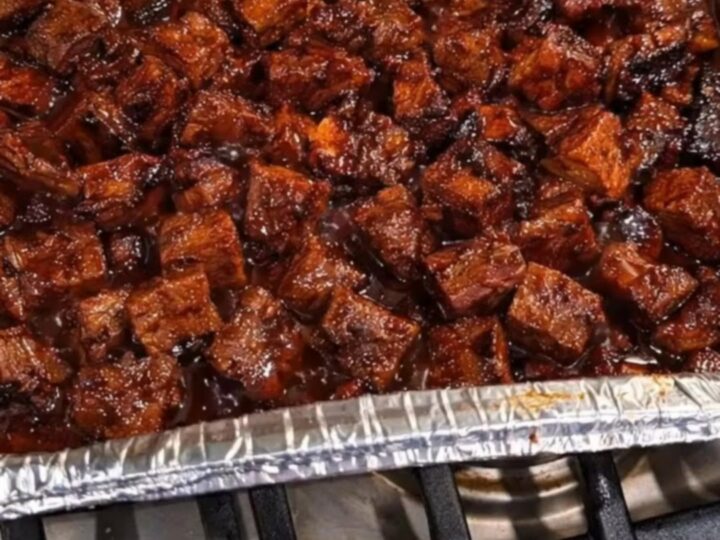
Sticky Chuck Roast BBQ Burnt Ends for Tender Bites
- Prep
- Cook
- Total
- Serves
- 6
Discover the secret to achieving perfectly tender, flavor-packed beef bites with this simple method for making BBQ burnt ends at home. Using a standard kitchen oven and a few essential ingredients, this approach transforms an affordable cut of beef into a decadent, restaurant-quality appetizer or main course that everyone will love.
These beef burnt ends are the ultimate comfort food, offering a rich, smoky, and sweet experience in every bite. By starting with a flavorful chuck roast and using a slow-roasting technique followed by a sticky glaze, you create a dish that is both impressive and surprisingly straightforward to prepare.
Perfect for gatherings or a hearty weekend dinner, these burnt ends deliver that signature barbecue texture and taste without requiring a professional smoker or hours of complex preparation. The process focuses on patience and simple seasoning, ensuring a result that is consistently delicious and visually stunning.
Ingredients
Meat
- 3 lb beef chuck roast, cut into 1-inch cubes
Seasoning
- 1/4 cup barbecue dry rub
Sauce
- 1 cup barbecue sauce
Why this recipe works
The slow-roasting method at a low temperature is crucial for breaking down the connective tissue in the chuck roast. By cooking the beef cubes until they are tender, the meat retains its structure while becoming incredibly soft.
This technique ensures that the fat renders sufficiently, contributing to the rich mouthfeel that defines excellent burnt ends, resulting in a balanced texture that is not overly chewy.
Applying the barbecue sauce in the final stage allows the sugars to caramelize without burning. This layering of flavors creates a deep, glossy coating that adheres perfectly to the beef. The combination of the initial dry rub seasoning and the final saucy finish ensures that every single bite is infused with a complex, savory, and sweet profile that is characteristic of authentic barbecue style cooking.
Notes and substitutions
When selecting a chuck roast, look for pieces with good marbling, as this fat will render down to provide the necessary moisture and flavor for the burnt ends.
If you cannot find a single large roast, smaller portions can be used, provided they are cut into consistent sizes to ensure they cook at the same rate. Ensure the dry rub is high quality and complements the flavor profile of the barbecue sauce you choose.
An aluminum foil pan is highly recommended for this recipe because it makes cleanup effortless and provides even heat distribution. If you do not have a foil pan, a heavy-duty roasting pan can be substituted, though you may need to adjust the cooking time slightly.
Ensure you have a reliable meat thermometer to verify the doneness of the beef, as this is the most accurate way to guarantee the meat is cooked safely and reaches the desired tenderness.
- chuck roast: brisket point or flat can be used as a traditional alternative
- barbecue sauce: any favorite store-bought or homemade sweet and smoky barbecue sauce
Equipment
- aluminum foil pan
- mixing bowl
- tongs
- oven
Up next · Part 2 of 3
3 steps · 4 h of cooking · what to look for at each stage
Step-by-step instructions (Part 2)