Dinner · Part 3 of 3: Tips & recipe card
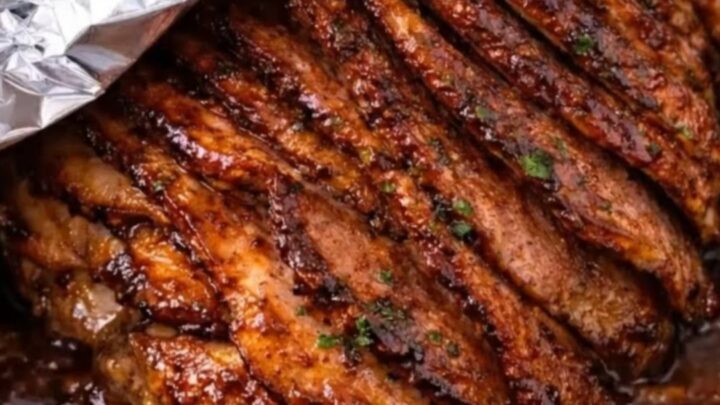
Sticky Brown Sugar Mustard Glazed Ham Tips, FAQ & printable recipe
- Prep
- Cook
- Total
- Serves
- 12
Tips for success
For the best results, use a high-quality dijon mustard that provides a sharp, clean flavor.
If you find the glaze is too thick, you can add a tablespoon of apple cider vinegar or even a splash of pineapple juice to thin it out while adding a subtle fruit note that pairs exceptionally well with pork.
When carving, use a sharp carving knife to follow the natural lines of the spiral cut. This makes serving much easier and ensures that every piece of meat maintains its integrity.
If you are serving a large group, place the platter in a warm spot so the glaze remains fluid and easy to enjoy.
Variations
- Spicy Mustard Glaze: Add one tablespoon of red pepper flakes or a teaspoon of hot sauce to the glaze mixture for a spicy kick that contrasts perfectly with the brown sugar sweetness.
- Herb-Infused Glaze: Stir in two tablespoons of finely chopped fresh rosemary or thyme into the glaze. The woody herbs add a sophisticated aroma that elevates the classic flavor profile.
Storage and make-ahead
- Fridge
- Keep in an airtight container for up to 3 days.
- Freezer
- Store in freezer-safe bags for up to 2 months.
- Reheat
- Reheat gently in the oven at 300°F with a splash of water to keep it moist.
Store any leftover ham in an airtight container in the refrigerator for up to three days. Ensure that the meat is fully cooled before placing it in the fridge to maintain the best quality.
For longer storage, you can slice the remaining meat and store it in freezer-safe bags for up to two months.
You can prepare the glaze up to two days in advance and keep it in the refrigerator until you are ready to roast the ham.
This saves time on the day of your event, allowing you to focus on other tasks while the ham roasts. Simply bring the glaze to room temperature before applying.
Serving ideas
This glazed ham pairs beautifully with classic side dishes such as roasted root vegetables, creamy mashed potatoes, or a fresh green bean salad. The sweetness of the glaze is balanced well by earthy, savory sides, making it a versatile centerpiece for any main meal.
When serving, consider arranging the slices on a large platter and drizzling any extra pan juices over the top for added flavor. Providing a small side of extra dijon mustard can also be a nice touch for guests who prefer a bit more acidity to contrast the sweetness of the glaze.
Frequently asked questions
Can this ham be made ahead of time?
What is the best way to keep the ham from drying out?
Does the type of mustard matter for the glaze?
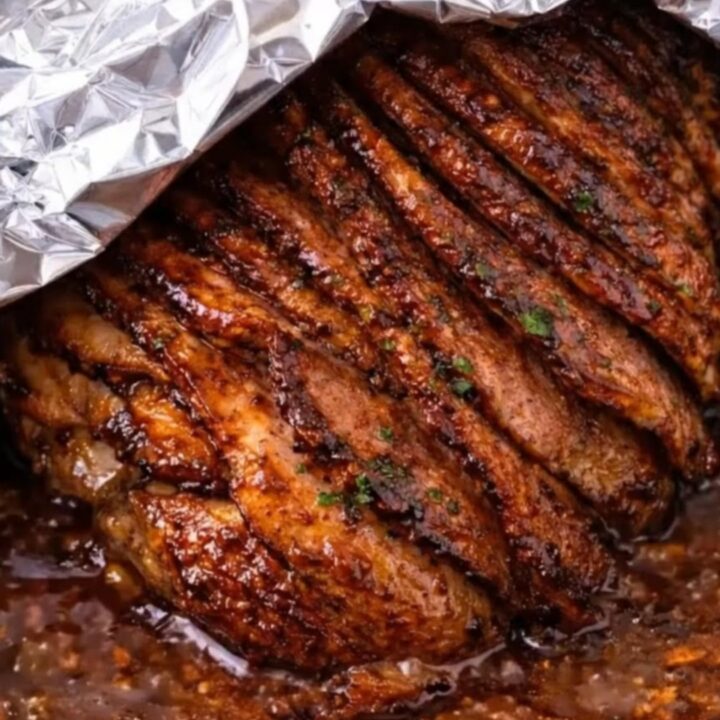
Sticky Brown Sugar Mustard Glazed Ham
Ingredients
- 1 whole spiral-cut ham (about 10 lbs)
- 1 cup brown sugar, packed
- 1/3 cup dijon mustard
Instructions
- In a small mixing bowl, whisk together the brown sugar and dijon mustard until the mixture is smooth and completely combined. Ensure the sugar is fully incorporated into the mustard to create a uniform, thick glaze consistency before applying it to the meat.
- Place the spiral-cut ham in a roasting pan. Brush the prepared glaze liberally over the entire surface of the ham, ensuring it drips into the spaces between the slices. Cover the pan tightly with heavy-duty aluminum foil to trap moisture. Roast in a preheated oven at 325°F until the ham reaches an internal temperature of 145°F (63°C). Once reached, remove from the oven and let the meat rest for at least 3 minutes.
- Remove the ham from the oven and let it rest, still tented with foil, for at least 15 minutes before carving. This resting period allows the juices to redistribute throughout the meat, ensuring that every slice remains tender and moist when served on the platter.
Estimated nutrition per serving
- Calories
- 280
- Protein
- 22 g
- Carbohydrates
- 18 g
- Fat
- 12 g
- Fiber
- 0 g
- Sugar
- 16 g
- Sodium
- 1150 mg
Next recipe
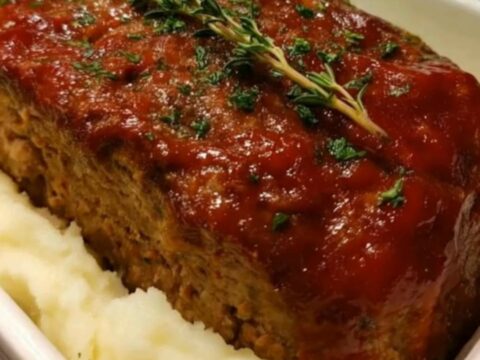
Classic Homestyle Meatloaf with Creamy Mashed Potatoes
See the recipe → →This recipe is based on a short cooking video and is published under the pen name Clara Weller. It was checked before publication, but errors can slip through. Nutrition, when shown, is an estimate. Read more in our editorial policy and on our food safety page.
More recipes to try
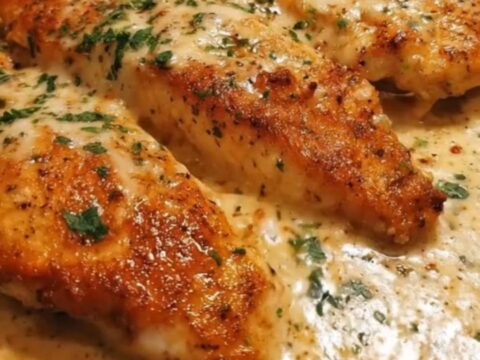
Creamy Garlic Chicken Skillet
Total time: 25 min
Slow Cooker Amish Molasses Chicken for a Tender Dinner
Total time: 4 h 15 min
Creamy Roasted Pork Tenderloin with Golden Potatoes
Total time: 1 h
Creamy Chicken Penne with Broccoli and Mozzarella
Total time: 40 min
Herb Roasted Chicken with Garlic Mustard Potatoes and Green Beans
Total time: 1 h 5 min