Dinner · Part 2 of 3: Instructions
Sticky Balsamic Garlic Glazed Pork Tenderloin Step-by-step instructions
- Prep
- Cook
- Total
- Serves
- 4
Before you start
Before starting, ensure the pork tenderloin is brought out of the refrigerator about 20 minutes prior to cooking to temper slightly, which helps with even heat distribution. Prepare the glaze ingredients by whisking them in a small bowl until fully incorporated. Have the skillet ready on the stove and ensure the workspace is clean.
Use a sharp chef knife and a sturdy cutting board to trim any excess silver skin from the pork if necessary. Having all ingredients measured and ready to go will streamline the cooking process, allowing for a smooth transition between the searing and glazing phases.
Ingredients at a glance (3)
- 1 lb pork tenderloin, trimmed
- 1/4 cup balsamic vinegar
- 3 cloves garlic, minced
Instructions
Glaze Preparation
- Prepare the GlazeIn a small bowl, whisk together the balsamic vinegar and minced garlic until well combined. Set the mixture aside while preparing the pork for the pan.Look for The mixture should be well combined and aromatic.Tip Whisk thoroughly to ensure the garlic is evenly distributed throughout the vinegar.
The glaze should be a smooth, dark liquid with a pleasant, pungent aroma. Ensure that the garlic is fully integrated into the balsamic vinegar. It should look uniform in color and texture before it touches the heat, setting the stage for a balanced flavor profile that will coat the meat perfectly once the cooking process begins.
Searing the Pork
- Sear the PorkPlace the pork tenderloin into a hot skillet and sear on all sides until a deep brown crust forms, ensuring the meat is evenly browned for approximately 8 to 10 minutes.Look for The pork surface should look golden brown and caramelized.Tip Do not move the meat too frequently; let it sear undisturbed to develop a good crust.
At the end of the searing phase, the pork should have a deep, mahogany-colored crust on the outside. The meat should be seared evenly on all sides, releasing a savory, roasted aroma.
Check that the surface is browned thoroughly, as this color provides the foundation for the final flavor and visual appeal of the dish before the liquid ingredients are added to the pan.
Glazing and Finishing
- Glaze and FinishPour the balsamic mixture over the pork in the skillet. Reduce heat and simmer, turning the meat occasionally, until the sauce thickens into a sticky glaze and the pork reaches an internal temperature of 145°F (63°C). Remove from heat, transfer to a board, and let it rest for at least 3 minutes before slicing.Look for The sauce should coat the back of a spoon and the pork should be cooked through.Safe temperature 145°F (63°C) internal temperature (steaks, chops and roasts)Tip Basting the pork with the pan juices as it glazes adds extra flavor to the meat.
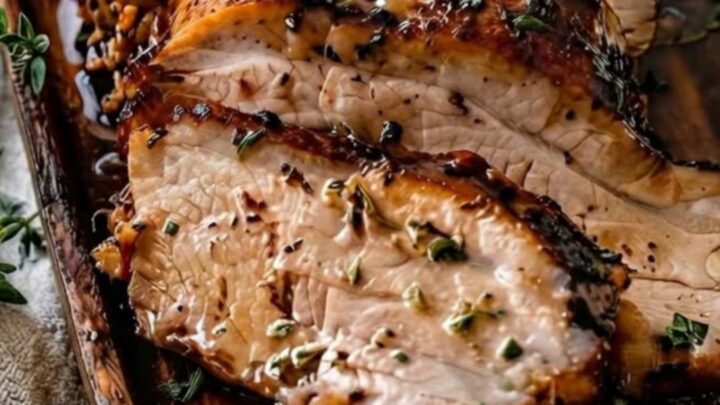
The final sauce should be thick, glossy, and sticky, clinging to the pork tenderloin. The meat should feel firm yet tender when poked. The aroma will be rich and savory. Once the pork reaches 145°F (63°C), it is ready to be removed from the heat and rested, ensuring it remains moist and succulent for the final plating and serving.
Common mistakes
A common mistake is overcrowding the skillet, which prevents the pork from searing properly and causes it to steam instead of brown. Ensure the pan is hot before adding the meat to achieve the desired crust.
Another error is using a heat level that is too high during the glazing phase, which can burn the garlic in the balsamic mixture and result in a bitter taste. Maintain a steady, controlled simmer to allow the sauce to thicken gradually. Finally, skipping the resting time will cause the juices to run out immediately upon slicing, leading to drier meat.
How to tell it’s done
The pork is done when it is firm to the touch and reaches a safe internal temperature of 145°F (63°C). Use a meat thermometer inserted into the thickest part of the tenderloin to verify this reading accurately.
The meat should be slightly pink in the center, which indicates it remains juicy and tender. Letting the pork rest for at least 3 minutes after removing it from the heat is crucial, as this allows the temperature to stabilize and the juices to settle, ensuring the best possible texture upon slicing.
- Steaks, chops and roasts: 145°F (63°C) in the thickest part, then a 3-minute rest
Up next · Part 3 of 3
2 variations · storage & make-ahead · 3 answers · printable card
Tips, FAQ & printable recipe (Part 3)← Back to the ingredients (Part 1)