Dinner · Part 1 of 3: Ingredients
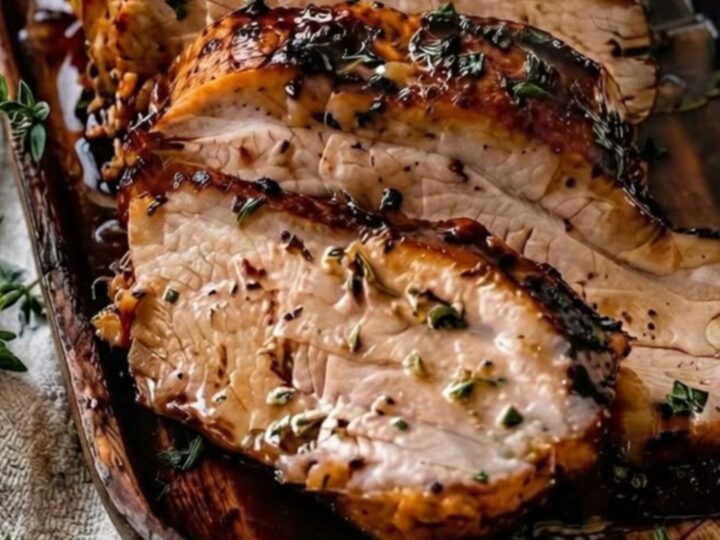
Sticky Balsamic Garlic Glazed Pork Tenderloin
- Prep
- Cook
- Total
- Serves
- 4
Discover how to create a restaurant-quality pork tenderloin at home with this simple balsamic garlic glaze. This recipe transforms a lean cut of meat into a succulent, flavorful centerpiece that comes together in mere minutes, making it the perfect solution for busy weeknights when time is short but the desire for a delicious, home-cooked meal is high.
The secret to this dish lies in the combination of tangy balsamic vinegar and savory garlic, which reduces into a thick, sticky glaze that clings perfectly to the tender pork. By searing the meat first, the natural juices are locked inside, ensuring that every slice remains incredibly moist and flavorful.
This method is straightforward and relies on basic pantry staples, requiring very little active cooking time while producing impressive results that will satisfy any appetite. Follow these steps to achieve a perfectly cooked, glistening pork tenderloin that is sure to become a regular feature in the weekly meal rotation.
Ingredients
- 1 lb pork tenderloin, trimmed
Glaze
- 1/4 cup balsamic vinegar
- 3 cloves garlic, minced
Why this recipe works
The balsamic glaze works by reducing the vinegar into a syrupy consistency that concentrates the flavors. This reduction process creates a complex, savory profile that complements the mild taste of pork tenderloin perfectly, providing a professional finish with minimal effort.
Using a hot skillet to sear the pork initially is essential for building a deep, caramelized flavor layer on the outside, which is known as the Maillard reaction. This step not only enhances the taste but also creates a beautiful, appetizing appearance that makes the finished dish look like it came straight from a gourmet kitchen.
The gentle simmering phase allows the pork to cook through evenly without drying out, which is a common concern with lean cuts. By cooking the glaze alongside the meat, the flavors penetrate the surface of the tenderloin, creating a harmonious balance between the protein and the sauce.
This technique ensures that the meat remains tender and juicy throughout the process, while the residual heat during the resting phase allows the juices to redistribute, guaranteeing that every slice is succulent and easy to carve for a clean, professional presentation on the serving board.
Notes and substitutions
Pork tenderloin is an ideal choice for this recipe due to its naturally lean texture and quick cooking time. When selecting the meat, look for a piece that is uniform in thickness to ensure even cooking across the entire length. Avoid pork loin, which is a different, larger cut that requires different timing and preparation methods. If the tenderloin has a silver skin or excess fat, be sure to trim it before cooking to ensure the best texture and to allow the glaze to adhere properly to the meat surface.
A cast iron skillet is the preferred tool for this dish because of its superior heat retention, which helps achieve a consistent, deep sear. If a cast iron skillet is unavailable, a heavy-bottomed stainless steel pan is a suitable substitute.
Ensure that the garlic is minced finely so it can distribute evenly into the glaze without large, burnt pieces. Fresh garlic is highly recommended for the best flavor impact. The balsamic vinegar quality can vary; a standard grocery store variety works perfectly well for this reduction, providing the necessary acidity and depth.
- balsamic vinegar: apple cider vinegar mixed with a touch of molasses
Equipment
- Cast iron skillet
- Tongs
- Small mixing bowl
- Chef knife
- Cutting board
Up next · Part 2 of 3
3 steps · 20 min of cooking · what to look for at each stage
Step-by-step instructions (Part 2)