Dinner · Part 1 of 3: Ingredients
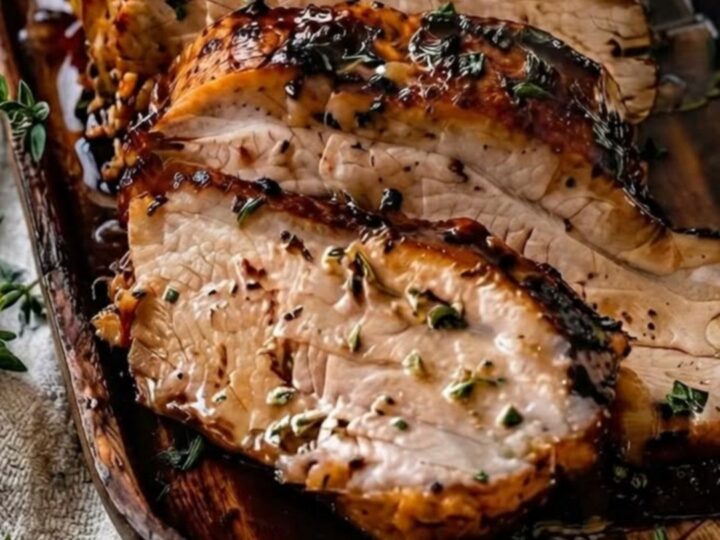
Sticky Balsamic Garlic Glazed Pork Tenderloin
- Prep
- Cook
- Total
- Serves
- 4
Transform a simple pork tenderloin into a restaurant-quality centerpiece with this incredibly easy balsamic garlic glaze. This recipe focuses on technique, using high heat to lock in moisture and a concentrated balsamic reduction to create a deep, savory finish that pairs perfectly with the tender meat.
Pork tenderloin is a lean and versatile cut of meat that benefits significantly from high-heat searing and a flavorful glaze. By combining the natural sweetness of balsamic vinegar with the aromatic punch of fresh garlic, you create a sticky, glossy coating that elevates the pork without overpowering its delicate flavor.
This method is designed to provide a consistent, professional result every time, making it an ideal choice for busy evenings when you want a meal that tastes like it took hours to prepare, even though it comes together in just a few minutes of active cooking.
Ingredients
- 1 lb pork tenderloin, trimmed
Glaze
- 1/2 cup balsamic glaze
- 3 cloves garlic, minced
Garnish
- fresh thyme, for serving
Why this recipe works
The method of searing the tenderloin first is critical because it creates a Maillard reaction, which is the chemical process that browns the surface and develops complex, savory flavors.
This initial sear acts as a protective barrier, helping to keep the interior of the pork incredibly moist while the exterior develops a beautiful, caramelized texture that is essential for a high-quality finished dish.
Using a thick, syrupy balsamic glaze creates a concentrated flavor profile that adheres perfectly to the surface of the meat.
By brushing the glaze onto the pork towards the end of the cooking process, the sugars in the balsamic vinegar caramelize gently with the garlic, resulting in a sticky, glossy finish that makes every bite visually appealing and packed with a deep, tangy, and slightly sweet flavor.
Notes and substitutions
When selecting a pork tenderloin, look for one that is uniform in thickness to ensure even cooking. If your tenderloin has a thin, tapered tail, you can tuck it under and tie it with kitchen twine to match the thickness of the rest of the roast, which helps prevent the thinner end from drying out before the thicker parts are finished.
For the best results, use a heavy-bottomed skillet, preferably cast iron or stainless steel, as these materials retain heat exceptionally well. This heat retention is vital for achieving a consistent sear.
If the glaze appears to be getting too dark too quickly, simply reduce the heat further or add a splash of water to the pan to loosen the sauce.
- balsamic glaze: balsamic vinegar reduced with a teaspoon of honey or brown sugar until thick and syrupy
Equipment
- Heavy-bottomed skillet
- Tongs
- Basting brush
- Sharp chef knife
- Cutting board
Up next · Part 2 of 3
3 steps · 20 min of cooking · what to look for at each stage
Step-by-step instructions (Part 2)