Breakfast · Part 3 of 3: Tips & recipe card
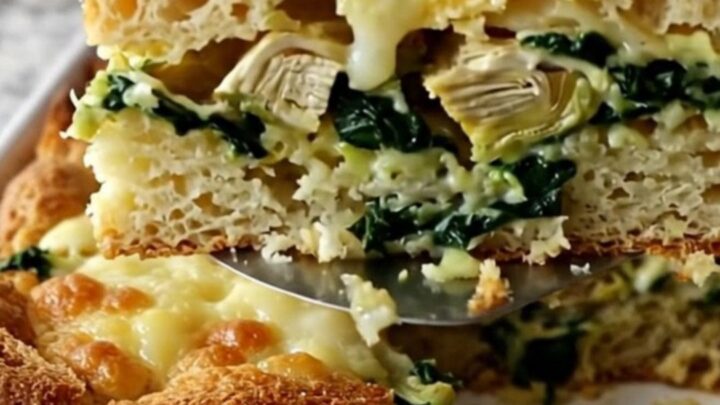
Spinach Artichoke Breakfast Strata Tips, FAQ & printable recipe
- Prep
- Cook
- Total
- Serves
- 6
Tips for success
For the best results, assemble the dish and let it sit in the refrigerator for at least an hour before baking.
This resting period allows the bread to fully hydrate, which creates a more uniform texture throughout the strata and ensures that the final dish is cohesive and easy to slice into clean squares.
If you are using frozen spinach, make sure to thaw it completely and squeeze out all excess moisture before adding it to the baking dish.
Excess water can dilute the egg mixture and prevent the strata from setting firmly, so removing as much liquid as possible is key to a successful, fluffy breakfast bake.
Variations
- Mediterranean Style: Add sun-dried tomatoes and crumbled feta cheese to the base. The saltiness of the feta and the concentrated sweetness of the tomatoes add a bright, Mediterranean flair that complements the artichokes perfectly.
- Sausage and Herb: Incorporate cooked, crumbled breakfast sausage into the bread mixture. The savory meat adds a hearty protein element, while fresh chopped parsley or chives added to the eggs will brighten the overall flavor profile.
Storage and make-ahead
- Fridge
- Keep in an airtight container in the refrigerator for up to 3 days.
- Freezer
- Freeze individual portions wrapped tightly in foil for up to 1 month.
- Reheat
- Reheat in a 350°F oven until warmed through or microwave for 1-2 minutes.
Store any leftovers in an airtight container to keep the bread from drying out. The strata will remain fresh in the refrigerator for up to three days, though the texture is best when consumed within the first 24 hours of baking. Always ensure the dish is cooled completely before sealing it.
You can assemble the strata up to 12 hours in advance, cover it, and keep it in the refrigerator until you are ready to bake. If baking directly from the refrigerator, you may need to add 5 to 10 minutes to the total cook time to ensure the center reaches the required temperature.
Serving ideas
Serve the strata warm, directly from the baking dish. It pairs beautifully with a side of fresh fruit or a crisp green salad to balance the richness of the eggs and cheese.
Because it is substantial, a single square makes for a filling and satisfying portion for any morning meal or brunch gathering.
For an elegant presentation, garnish each serving with a light sprinkle of fresh herbs or a drizzle of olive oil. The strata holds its shape well, making it easy to plate individually.
If serving a larger group, you can cut the strata into smaller, appetizer-sized squares for an easy-to-eat finger food option.
Frequently asked questions
Can this be made ahead of time?
What is the best way to reheat leftovers?
Why does the center of the strata remain runny?
Spinach Artichoke Breakfast Strata

Ingredients
- 6 cups sourdough bread cubes
- 2 cups chopped spinach
- 1 cup quartered artichoke hearts
- 8 large eggs
- 1 1/2 cups whole milk
- 1 cup shredded mozzarella cheese
- 1/2 cup grated Parmesan cheese
Instructions
- Preheat your oven to 350°F (175°C). In a large baking dish, spread the sourdough bread cubes evenly. Scatter the chopped spinach and quartered artichoke hearts over the bread, ensuring they are distributed throughout the dish.
- In a separate mixing bowl, whisk together the eggs and milk until completely combined. Pour this mixture slowly and evenly over the bread and vegetable base in the baking dish, making sure to saturate the bread cubes thoroughly.
- Sprinkle the shredded mozzarella and grated Parmesan cheese over the top of the strata. Place the dish in the preheated oven and bake for 45 minutes, or until the eggs are fully set at 160°F (71°C) and the top is puffed and golden brown.
Estimated nutrition per serving
- Calories
- 320
- Protein
- 16 g
- Carbohydrates
- 28 g
- Fat
- 15 g
- Fiber
- 2 g
- Sugar
- 4 g
- Sodium
- 580 mg
Next recipe

Easy Broccoli Cheddar Hash Brown Egg Bake
See the recipe → →This recipe is based on a short cooking video and is published under the pen name Clara Weller. It was checked before publication, but errors can slip through. Nutrition, when shown, is an estimate. Read more in our editorial policy and on our food safety page.
More recipes to try

Cranberry Orange Cinnamon Roll Bake for Easy Brunch
Total time: 45 min
Easy Church Supper Sausage and Crouton Breakfast Casserole
Total time: 55 min
Everything Bagel Pull-Apart Biscuit Bake
Total time: 30 min
Lemon Blueberry Biscuit Breakfast Bake
Total time: 40 min
Creme Brulee French Toast Bake: Easy Make-Ahead Custard Casserole
Total time: 1 h 5 min