Breakfast · Part 3 of 3: Tips & recipe card
Soft Potato and Cheese Stuffed Poğaça Buns Tips, FAQ & printable recipe

- Prep
- Cook
- Total
- Serves
- 12
Tips for success
For the softest buns, make sure the dough is well-kneaded and adequately risen. The second rise is crucial – don't skip it. When shaping, keep the dough covered to prevent a dry skin from forming. Brushing the buns with olive oil immediately after baking not only adds flavor but also keeps the crust soft and supple.
To achieve a beautiful golden color, brush the buns with egg yolk before baking. If the buns brown too quickly, tent them with foil.
For an extra touch, sprinkle a few sesame seeds or nigella seeds on top before baking, though the video does not show this, so it's optional. Serve the buns warm for the best experience.
Variations
- Spicy Kick: Add 1/2 teaspoon of red pepper flakes or a finely chopped fresh chili to the potato filling for a spicy version. Adjust the amount to your heat preference.
- Herb Infused: Mix 2 tablespoons of chopped fresh dill or parsley into the potato filling for a fresh, herbaceous note. This pairs well with the caramelized onions.
- Cheese Swap: Replace kaşar cheese with feta cheese for a tangy, crumbly texture. Crumble the feta and mix it into the potato filling, or place a few cubes inside each bun.
- Whole Wheat: Substitute half of the all-purpose flour with whole wheat flour for a heartier texture. You may need to add a little extra water if the dough feels dry.
Storage and make-ahead
- Fridge
- Store baked buns in an airtight container in the refrigerator for up to 3 days. Reheat in a 300°F oven for 5-7 minutes before serving.
- Freezer
- Freeze baked and cooled buns in a resealable bag for up to 3 months. Thaw at room temperature or reheat directly from frozen in a 300°F oven for 10-12 minutes.
- Reheat
- To reheat, place buns in a 300°F (150°C) oven for 5-7 minutes if thawed, or 10-12 minutes if frozen. The buns should be warm and soft in the center.
Store leftover poğaça buns in an airtight container at room temperature for up to 2 days. To refresh, place them in a 300°F (150°C) oven for 5-7 minutes until warm and soft. Avoid microwaving, as it can make the buns rubbery. If storing longer, freeze as directed below.
The dough and filling can be prepared a day ahead. After the first rise, punch down the dough, wrap tightly, and refrigerate overnight. Bring to room temperature before shaping.
The filling can also be made and refrigerated. Shaped buns can be frozen before the second rise; thaw in the refrigerator overnight, then let rise and bake as directed.
Serving ideas
Serve the poğaça buns warm, ideally within an hour of baking, when the cheese is at its most melty and the dough is pillowy. They are wonderful on their own or paired with a cup of Turkish tea or coffee.
For a more substantial meal, serve alongside a fresh salad or soup. The buns are also delicious at room temperature, making them a great picnic or lunchbox option.
To reheat, place the buns in a preheated 300°F (150°C) oven for 5-7 minutes. This will restore their softness without drying them out. If you have many buns, reheat them in batches.
The buns can also be split and toasted lightly for a different texture. Enjoy them as a snack, appetizer, or even as a side to a hearty stew.
Frequently asked questions
Can the dough be made without a stand mixer?
Why did the buns turn out dense?
Can the buns be frozen before baking?
What is the best way to reheat the buns?
Can the filling be made ahead of time?
Soft Potato and Cheese Stuffed Poğaça Buns

Ingredients
- 1 cup warm milk
- 1 cup warm water
- 1/2 cup vegetable oil
- 1 tbsp granulated sugar
- 2 1/4 tsp active dry yeast
- 1 egg white
- 1 tsp salt
- 5 cups all-purpose flour
- 3 boiled potatoes, peeled
- 1 cup caramelized onions
- 1 tsp ground cumin
- 1 tsp paprika
- 1/2 tsp black pepper
- 1/2 tsp salt
- 2 cups kaşar cheese, shredded
- 1 egg yolk, beaten
- 2 tbsp olive oil
Instructions
- In a large bowl, combine the warm milk, warm water, vegetable oil, sugar, and yeast. Let sit for 5 minutes until frothy. Add the egg white, salt, and 2 cups of flour. Mix until smooth. Gradually add the remaining 3 cups of flour, stirring until a soft dough forms. Turn the dough onto a floured surface and knead for 8-10 minutes until smooth and elastic.
- While the dough rises, mash the boiled potatoes in a bowl until smooth. Add the caramelized onions, ground cumin, paprika, black pepper, and salt. Mix well to combine. Taste and adjust seasoning if needed. Set aside to cool completely.
- Punch down the risen dough and divide it into 12 equal pieces. Roll each piece into a ball, then flatten into a disc about 4 inches in diameter. Place a generous spoonful of the potato filling in the center, add a pinch of shredded kaşar cheese on top, and fold the dough over the filling. Pinch the edges to seal, then shape into a crescent or oval bun. Place the buns on a parchment-lined baking sheet, seam side down, leaving space between them.
- Cover the shaped buns loosely with a clean kitchen towel and let them rise in a warm place for 20-30 minutes, until slightly puffed. Meanwhile, preheat the oven to 350°F (175°C).
- Brush the tops of the risen buns with the beaten egg yolk. Bake in the preheated oven for 25 minutes, or until the tops are deeply golden brown and the buns sound hollow when tapped on the bottom.
- Remove the buns from the oven and immediately brush the hot tops with olive oil. This gives them a beautiful shine and keeps the crust soft. Let the buns cool on the baking sheet for 5 minutes, then transfer to a wire rack.
- Serve the poğaça buns warm, ideally within an hour of baking. They are best enjoyed fresh, with the cheese still melty and the dough pillowy. If serving later, reheat briefly in a low oven to restore softness.
Estimated nutrition per serving
- Calories
- 320
- Protein
- 9 g
- Carbohydrates
- 42 g
- Fat
- 13 g
Next recipe

Crispy Garlic Parmesan Hashbrowns with Secret Dipping Sauce
See the recipe → →This recipe is based on a short cooking video and is published under the pen name Clara Weller. It was checked before publication, but errors can slip through. Nutrition, when shown, is an estimate. Read more in our editorial policy and on our food safety page.
More recipes to try
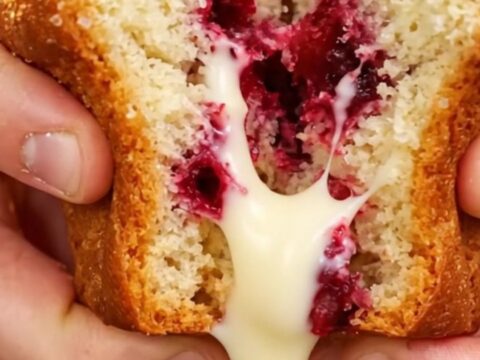
White Chocolate Strawberry Bakery Muffins with Crunchy Tops
Total time: 33 min
Smash Breakfast Sausage Burger with Maple Bacon Jam
Total time: 18 min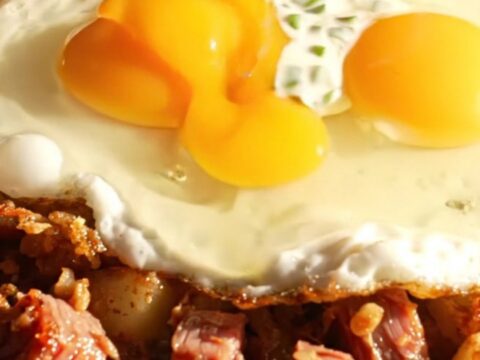
Crispy Cast-Iron Corned Beef Hash with Eggs
Total time: 35 min
Crispy Bacon Cheddar Tater Tot Waffles with Fried Egg
Total time: 26 min
One-Pan Turkish Menemen with Spicy Sucuk and Toasted Bread
Total time: 25 min