Breakfast · Part 2 of 3: Instructions
Soft Potato and Cheese Stuffed Poğaça Buns Step-by-step instructions
- Prep
- Cook
- Total
- Serves
- 12
Before you start
Before starting, ensure all ingredients are at room temperature. Warm the milk and water to about 110°F (43°C) – warm to the touch but not hot. Boil the potatoes until fork-tender, then mash them.
Caramelize the onions in a skillet with a little oil over medium heat until deeply browned and sweet, about 15 minutes. Measure all ingredients and have a clean, floured surface ready for kneading and shaping.
Ingredients at a glance (17)
- 1 cup warm milk
- 1 cup warm water
- 1/2 cup vegetable oil
- 1 tbsp granulated sugar
- 2 1/4 tsp active dry yeast
- 1 egg white
- 1 tsp salt
- 5 cups all-purpose flour
- 3 boiled potatoes, peeled
- 1 cup caramelized onions
- 1 tsp ground cumin
- 1 tsp paprika
- 1/2 tsp black pepper
- 1/2 tsp salt
- 2 cups kaşar cheese, shredded
- 1 egg yolk, beaten
- 2 tbsp olive oil
Instructions
Dough and Filling
- Make the DoughIn a large bowl, combine the warm milk, warm water, vegetable oil, sugar, and yeast. Let sit for 5 minutes until frothy. Add the egg white, salt, and 2 cups of flour. Mix until smooth. Gradually add the remaining 3 cups of flour, stirring until a soft dough forms. Turn the dough onto a floured surface and knead for 8-10 minutes until smooth and elastic.Look for The dough should be soft, smooth, and elastic, and it should have doubled in volume after rising.Tip If the dough is too sticky, add a little more flour, a tablespoon at a time. If too dry, add a splash of warm water.
- Prepare the FillingWhile the dough rises, mash the boiled potatoes in a bowl until smooth. Add the caramelized onions, ground cumin, paprika, black pepper, and salt. Mix well to combine. Taste and adjust seasoning if needed. Set aside to cool completely.Look for The filling should be thick and spreadable, not too wet. It should be cool to the touch before assembling.Tip Cool the filling completely to prevent the dough from becoming soggy.
At the end of this phase, the dough should be smooth, elastic, and doubled in size. The filling should be thick, well-seasoned, and completely cool.
The kitchen will smell of yeast and caramelized onions. The dough should spring back when gently pressed, and the filling should hold its shape when scooped.
Shaping and Baking
- Shape the BunsPunch down the risen dough and divide it into 12 equal pieces. Roll each piece into a ball, then flatten into a disc about 4 inches in diameter. Place a generous spoonful of the potato filling in the center, add a pinch of shredded kaşar cheese on top, and fold the dough over the filling. Pinch the edges to seal, then shape into a crescent or oval bun. Place the buns on a parchment-lined baking sheet, seam side down, leaving space between them.Look for Each bun should be neatly sealed with no filling exposed. The buns should look plump and uniform.Tip Keep the dough covered with a towel while shaping to prevent it from drying out.
- Second RiseCover the shaped buns loosely with a clean kitchen towel and let them rise in a warm place for 20-30 minutes, until slightly puffed. Meanwhile, preheat the oven to 350°F (175°C).Look for The buns should look slightly puffy but not doubled. They should feel light when gently pressed.Tip This short rise helps the buns become extra soft and airy.
- Brush and BakeBrush the tops of the risen buns with the beaten egg yolk. Bake in the preheated oven for 25 minutes, or until the tops are deeply golden brown and the buns sound hollow when tapped on the bottom.Look for The buns should be deep golden brown all over, and the kitchen will smell warm and yeasty.Safe temperature 160°F (71°C) internal temperature (egg dishes)Tip If the buns brown too quickly, tent them loosely with foil for the last 5 minutes.
The buns should be neatly shaped, with no filling visible. After the second rise, they will look slightly puffed. During baking, the tops will turn deep golden brown, and the aroma of fresh bread and melted cheese will fill the kitchen. The buns should sound hollow when tapped.
Finishing and Serving
- Brush with Olive OilRemove the buns from the oven and immediately brush the hot tops with olive oil. This gives them a beautiful shine and keeps the crust soft. Let the buns cool on the baking sheet for 5 minutes, then transfer to a wire rack.Look for The buns will glisten with the olive oil and feel soft to the touch.Tip Brushing while hot helps the oil absorb and adds flavor.
- Serve WarmServe the poğaça buns warm, ideally within an hour of baking. They are best enjoyed fresh, with the cheese still melty and the dough pillowy. If serving later, reheat briefly in a low oven to restore softness.Look for The buns should be soft, with a slightly crisp exterior and a tender, cheesy interior.Tip Warm buns can be stored in a covered container for up to 2 days; reheat in a 300°F oven for 5 minutes.
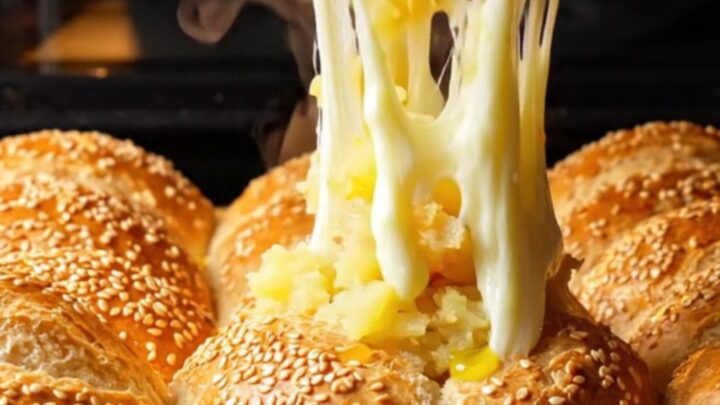
After brushing with olive oil, the buns will have a glossy, appetizing sheen. The crust will be soft and tender. When torn open, the filling should be creamy and the cheese should stretch. The buns are ready to serve warm, with the cheese still gooey.
Common mistakes
One common mistake is overfilling the buns, which can cause them to burst open during baking. Use a generous but manageable amount of filling. Another is not sealing the edges properly – pinch firmly to avoid leaks.
Overworking the dough can make it tough; knead just until smooth and elastic. Also, avoid baking at too high a temperature, which can brown the outside before the inside is cooked through. Stick to 350°F (175°C) for even baking.
How to tell it’s done
The buns are done when they are deeply golden brown on top and sound hollow when tapped on the bottom. An instant-read thermometer inserted into the center of a bun should register at least 160°F (71°C) to ensure the egg is fully cooked.
The dough should be firm to the touch but spring back slightly. Let the buns cool for a few minutes before serving; the cheese will be molten and hot.
- Egg dishes: 160°F (71°C) in the thickest part
Up next · Part 3 of 3
4 variations · storage & make-ahead · 5 answers · printable card
Tips, FAQ & printable recipe (Part 3)← Back to the ingredients (Part 1)