Dinner · Part 1 of 3: Ingredients
Soft Homemade Sandwich and Hotdog Buns
- Prep
- Cook
- Total
- Serves
- 10
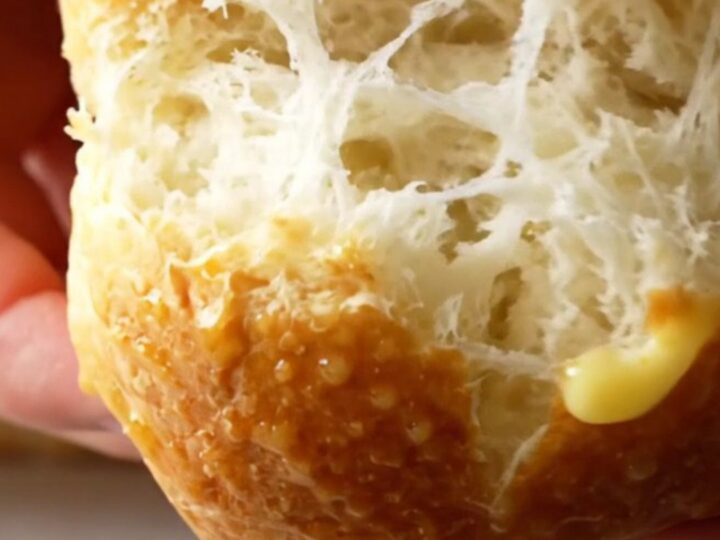
These homemade sandwich and hotdog buns are the definition of pillowy softness. Made with a simple dough of warm milk, water, oil, yeast, and a touch of sugar, they bake up golden brown with a cloud-like crumb.
The dough is easy to handle, and the buns stay fresh for days, making them perfect for meal prep, family lunches, and backyard cookouts.
There is something deeply satisfying about pulling a tray of homemade buns from the oven. These soft sandwich and hotdog buns are tender, slightly sweet, and incredibly fluffy.
The recipe relies on a straightforward yeast dough enriched with milk and oil, which creates a plush texture that rivals any bakery.
Whether you are making burgers, deli sandwiches, or classic hotdogs, these buns will elevate your meal. The process is hands-on but simple, and the results are well worth the effort.
Ingredients
- 1 cup warm milk
- 1/2 cup warm water
- 1/2 cup vegetable oil
- 1/4 cup granulated sugar
- 2 1/4 tsp active dry yeast (one packet)
- 1 1/2 tsp salt
- 1 large egg white
- 4 cups all-purpose flour, plus more for dusting
Egg Wash
- 1 large egg yolk
- 2 tbsp milk
- 2 tbsp unsalted butter, melted
Why this recipe works
The combination of warm milk and water creates the ideal environment for the yeast to thrive, producing a light and airy crumb.
The oil adds richness and tenderness, ensuring the buns stay soft even after they cool. Kneading the dough until smooth and elastic develops the gluten structure needed for a chewy yet delicate texture.
The two-rise method is key. The first rise allows the dough to ferment and develop flavor, while the second rise, after shaping, gives the buns their characteristic puffiness. Brushing the baked buns with melted butter locks in moisture and adds a glossy sheen, making them irresistible.
Notes and substitutions
Use warm milk and water, not hot, to avoid killing the yeast. The ideal temperature is about 110°F (43°C). Active dry yeast benefits from being dissolved in the liquid with a little sugar, which is why the recipe has you let it sit for a few minutes. If using instant yeast, you can skip that step.
All-purpose flour works beautifully here, but bread flour will yield an even chewier texture. The dough should be soft and slightly tacky, not stiff. If it becomes too sticky while kneading, dust your hands and the work surface with a little extra flour, but resist adding too much or the buns will be dense.
- active dry yeast: instant yeast (use 2 teaspoons, no need to proof in liquid)
- vegetable oil: canola oil, melted coconut oil, or melted butter
- all-purpose flour: bread flour for a chewier texture (add a tablespoon more water if needed)
- egg white: 2 tablespoons aquafaba (chickpea brine) for an egg-free version
Equipment
- Large mixing bowl
- Wooden spoon or dough whisk
- Clean kitchen towel or plastic wrap
- Baking sheet
- Parchment paper
- Pastry brush
- Wire rack
Up next · Part 2 of 3
6 steps · 20 min of cooking · what to look for at each stage
Step-by-step instructions (Part 2)