Dinner · Part 3 of 3: Tips & recipe card
Soft Buttery Turkish Potato Cheese Flatbreads Tips, FAQ & printable recipe
- Prep
- Cook
- Total
- Serves
- 4
Tips for success
For the softest flatbreads, use potatoes that are starchy rather than waxy, such as russets. They mash to a fluffier texture and absorb the other ingredients more readily.
Make sure the potatoes are completely smooth before adding the other ingredients—any lumps will create uneven spots in the dough.
Don't skip the resting step after shaping the dough. Letting the shaped rounds sit for a few minutes allows the gluten to relax, making them easier to roll and resulting in a more tender crumb.
If you're cooking in batches, keep the uncooked flatbreads covered with a damp towel to prevent them from drying out.
Variations
- Herb and Garlic: Add 2 minced garlic cloves and 1 tablespoon chopped fresh parsley to the dough along with the dill. The garlic infuses the flatbreads with savory flavor that pairs well with any meal.
- Spicy Kick: Stir 1/2 teaspoon red pepper flakes or a pinch of cayenne into the dough for a subtle heat. Serve with a cooling yogurt dip to balance the spice.
- Cheese Swap: Replace the kaşar cheese with an equal amount of shredded mozzarella or provolone for a different melt and flavor. Add a handful of grated parmesan for extra savoriness.
- Whole Wheat: Substitute half of the all-purpose flour with whole wheat flour for a nuttier flavor and slightly denser texture. You may need to add a tablespoon or two of water to achieve the right consistency.
Storage and make-ahead
- Fridge
- Store leftover flatbreads in an airtight container in the refrigerator for up to 4 days. Reheat in a dry skillet or oven to restore softness.
- Freezer
- Freeze cooked flatbreads, separated by parchment, in a freezer bag for up to 2 months. Thaw at room temperature and reheat in a skillet or oven.
- Reheat
- Reheat frozen or refrigerated flatbreads in a dry skillet over medium heat for 2-3 minutes per side, or wrap in foil and warm in a 350°F (175°C) oven.
Store leftover flatbreads in an airtight container at room temperature for up to 2 days. To refresh, reheat in a dry skillet over medium heat for 1-2 minutes per side, or wrap in foil and warm in a 350°F (175°C) oven for 5-7 minutes. Avoid microwaving, as it can make them rubbery.
The dough can be prepared up to 1 day ahead. Shape the dough into balls, cover tightly, and refrigerate. Let the dough come to room temperature for 30 minutes before rolling and cooking. Cooked flatbreads can be made a few hours ahead and reheated just before serving.
Serving ideas
Serve these flatbreads warm, straight from the skillet, with a generous brush of melted butter on top.
They're wonderful alongside soups, stews, or grilled meats, or simply on their own with a side of yogurt or a simple salad. Tear them open to reveal the cheesy center and let guests help themselves.
For a more substantial meal, use the flatbreads as a wrap for grilled vegetables, roasted chicken, or lamb. They also make a great base for breakfast, topped with eggs and herbs.
However you serve them, these flatbreads are best enjoyed fresh, while the cheese is still molten and the crust is at its crispiest.
Frequently asked questions
Can these flatbreads be made gluten-free?
What if kaşar cheese is not available?
Can the dough be prepared in advance?
Why are the flatbreads not puffing?
How should leftovers be reheated?
Soft Buttery Turkish Potato Cheese Flatbreads
Ingredients
- 4 boiled potatoes, peeled
- 1 1/2 cups shredded kaşar cheese
- 1 large egg
- 2 tbsp fresh chopped dill
- 1/2 tsp salt
- 1/4 tsp black pepper
- 1 1/2 cups all-purpose flour
- 3 tbsp unsalted butter, melted
Instructions
- Place the boiled potatoes in a large mixing bowl and mash them thoroughly with a potato masher until completely smooth and free of lumps. There should be no large chunks remaining, as this ensures a uniform dough.
- Add the shredded kaşar cheese, egg, fresh dill, salt, and black pepper to the mashed potatoes. Stir until well combined. Gradually add the flour, mixing with a spatula or your hands until a soft, pliable dough forms. The dough should be slightly sticky but hold together when pressed.
- Turn the dough out onto a lightly floured surface. Divide it into 4 equal portions. Roll each portion into a ball, then flatten it into a round about 1/2 inch thick. Keep the shaped flatbreads covered with a clean kitchen towel while you work.
- Place a large dry skillet or griddle over medium heat and let it heat for 2 to 3 minutes until a drop of water sizzles and evaporates immediately. Do not add any oil or butter to the pan.
- Place one flatbread in the hot dry skillet. Cook for 3 minutes, or until the bottom is golden brown and blistered. Flip and cook for another 3 minutes, until the second side is equally browned and the flatbread puffs slightly. Repeat with the remaining flatbreads, adjusting the heat if needed to prevent burning.
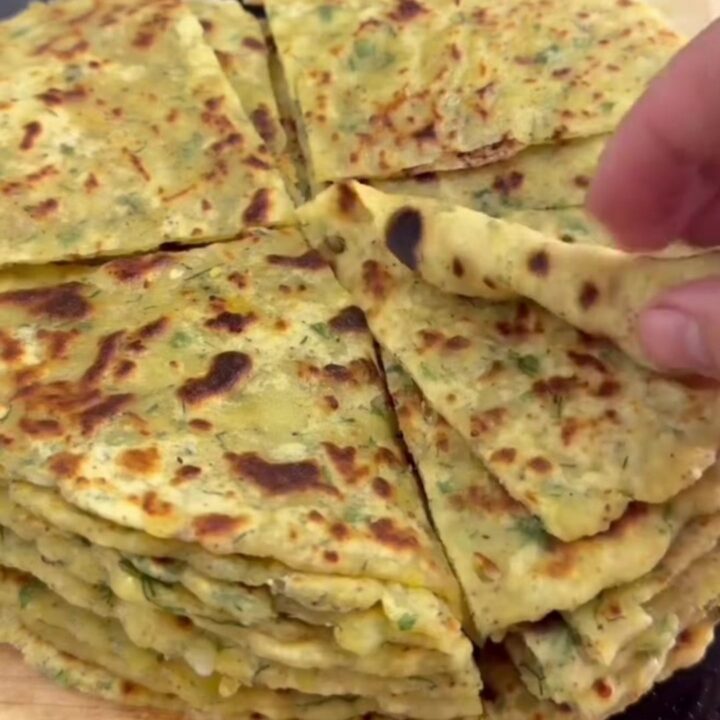
- As soon as each flatbread comes off the skillet, brush the top generously with melted butter. The heat of the flatbread will melt the butter into the surface, creating a glossy, buttery finish. Stack the buttered flatbreads on a plate and cover loosely to keep warm.
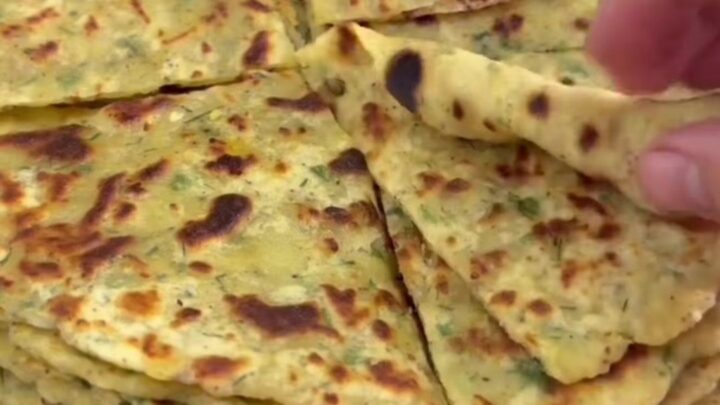
- Serve the flatbreads warm, stacked or on a platter. They are best eaten fresh, while the interior is soft and the cheese is still melty. Pull one apart to show the stretchy, cheesy center.
Estimated nutrition per serving
- Calories
- 420
- Protein
- 15 g
- Carbohydrates
- 52 g
- Fat
- 18 g
Next recipe
Pillowy Soft Sandwich and Hotdog Buns
See the recipe → →This recipe is based on a short cooking video and is published under the pen name Clara Weller. It was checked before publication, but errors can slip through. Nutrition, when shown, is an estimate. Read more in our editorial policy and on our food safety page.
More recipes to try
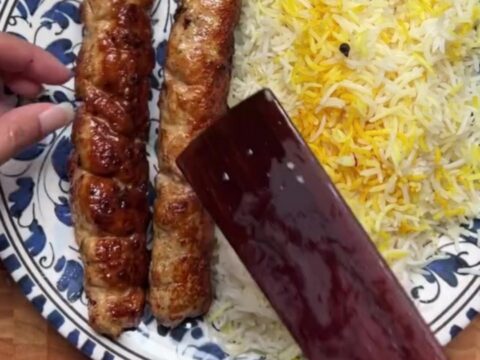
Persian-Style Minced Chicken Kebabs with Saffron Rice
Total time: 40 min
Crispy Chicken Shawarma Wrap with Garlic Toum
Total time: 55 min
Crispy Copycat Cane's Chicken Fingers with Buttermilk Marinade
Total time: 2 h 23 min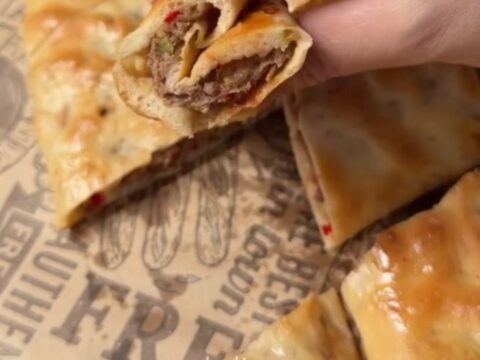
Zero-Roll Turkish Pide with Spiced Beef
Total time: 1 h 40 min
Turkish Karnıyarık Poğaça Buns: Juicy Stuffed Bread
Total time: 1 h 55 min