Dinner · Part 2 of 3: Instructions
Smoky Black Garlic Tonkotsu Ramen with Torched Chashu Step-by-step instructions
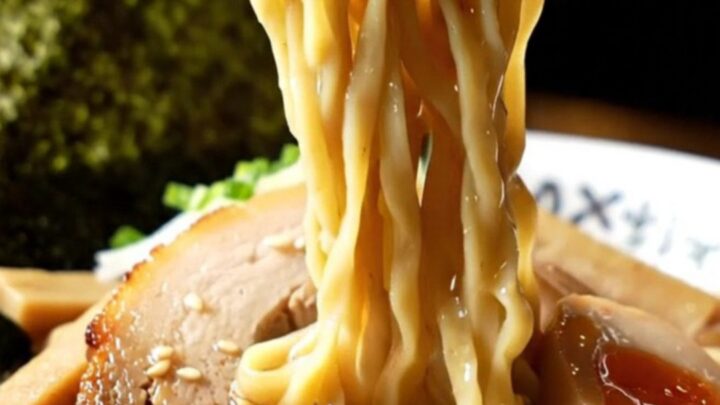
- Prep
- Cook
- Total
- Serves
- 2
Before you start
Before beginning, ensure all components are organized. The chashu pork belly should be pre-braised and sliced into thick, uniform pieces. Have your toppings—bamboo shoots, nori, and ajitama eggs—prepped and ready to assemble.
Ensure your kitchen blowtorch is filled and tested in a safe area away from flammable materials. Finally, confirm the pork bone broth is simmering and ready to be brought to a boil once the noodles are nearing the end of their cooking time. Having everything within reach will ensure a smooth assembly process.
Ingredients at a glance (6)
- 12 cloves garlic cloves, deeply charred
- 60 ml sesame and canola oil blend
- 200 g soy-braised pork belly chashu, pre-cooked
- 600 ml rich pork bone broth
- 2 servings fresh thin alkaline noodles
- Bamboo shoots, nori, and ajitama egg for serving
Instructions
Creating the Mayu
- Prepare the Black Garlic MayuChar the garlic cloves until deeply blackened in a dry pan. Once charred, place them into a blender with the sesame and canola oil. Pulse until the mixture reaches a smooth, jet-black consistency. This oil provides the signature smoky depth to the soup.Look for The oil should be completely smooth and dark black.Tip Ensure the garlic is truly charred, not just browned, for the authentic smoky flavor profile.
The black garlic oil should look like a rich, dark obsidian swirl. It should smell intensely smoky and savory, with the bitterness of the charred garlic perfectly offset by the nuttiness of the sesame and canola oil blend. The consistency should be smooth enough to drizzle easily over the final bowl of ramen. Check that no large, gritty pieces of garlic remain, as these can detract from the silky mouthfeel of the finished oil, which is essential for the quality of the dish.
Assembling the Soup
- Assemble the Ramen BaseBring the pork bone broth to a steady boil. Cook the fresh thin alkaline noodles according to package instructions until al dente. Place the noodles into serving bowls and pour the boiling broth over them, ensuring the noodles are fully submerged and hot. To cook eggs through to a safe 160°F (71°C), boil them for 10 minutes.Look for The broth should be steaming and the noodles should be firm yet cooked through.Safe temperature 160°F (71°C) internal temperature (egg dishes)Tip Pre-heat your serving bowls with hot water to keep the ramen piping hot for longer.
The broth should be steaming hot and appear opaque and milky, signifying its richness. The noodles should be perfectly cooked, providing a firm bite that holds up against the hot broth. Ensure the bowls are warmed before adding the soup to maintain the optimal serving temperature for the entire meal. A cold bowl will rapidly sap the heat from your broth, so taking this extra step is crucial for ensuring that the final result is as hot and comforting as a professional ramen bar.
Torching and Finishing
- Torch and ServePlace the slices of braised pork belly chashu on top of the ramen bowls. Use a kitchen blowtorch to sear the fat cap of the pork until it is golden brown and fragrant. Ensure the pork reaches an internal temperature of at least 145°F (63°C) and let it rest for 3 minutes. Garnish with bamboo shoots, nori, and the ajitama egg. Drizzle the black garlic mayu over the soup.Look for The pork fat should be sizzling and slightly crispy on the edges.Safe temperature 145°F (63°C) internal temperature (steaks, chops and roasts)Tip Use a steady hand when torching to avoid burning the surrounding broth or toppings.
The pork belly slices should be beautifully caramelized, with the fat cap rendered and slightly crispy. The aroma of torched meat should be evident. Once the toppings are added and the black garlic oil is drizzled, the bowl should look vibrant and professional, ready for immediate consumption while everything is hot.
The visual contrast between the dark oil and the creamy broth should be distinct and appealing, signaling that the dish is perfectly prepared and ready for the table.
Common mistakes
A common mistake is failing to char the garlic deeply enough; the garlic must be truly blackened to provide the correct smoky profile. Another error is overheating the noodles, which can lead to a mushy texture; keep a close eye on the cooking time.
Finally, avoid over-torching the pork belly, which could lead to bitter, burnt flavors rather than the desired savory caramelization. Always work carefully with the blowtorch to maintain control over the level of char, moving the flame constantly to avoid creating concentrated hot spots.
How to tell it’s done
The dish is ready when the broth is boiling, the noodles are tender yet firm, and the pork belly chashu has been seared to a golden, caramelized brown. The pork must reach an internal temperature of at least 145°F (63°C).
The black garlic mayu should be emulsified into a dark, smooth sauce that swirls beautifully upon the surface of the milky broth. While the eggs are traditionally served with a jammy yolk, please note that for full safety, they should be cooked until firm. The nori should remain crisp until served.
- Steaks, chops and roasts: 145°F (63°C) in the thickest part, then a 3-minute rest
- Egg dishes: 160°F (71°C) in the thickest part
Up next · Part 3 of 3
2 variations · storage & make-ahead · 3 answers · printable card
Tips, FAQ & printable recipe (Part 3)← Back to the ingredients (Part 1)