Dinner · Part 3 of 3: Tips & recipe card
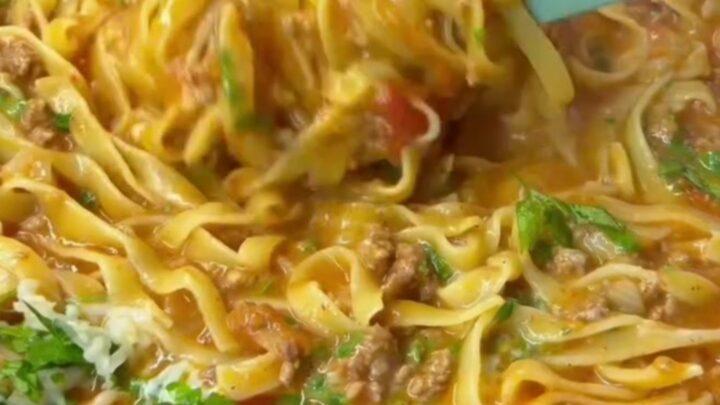
Slow-Simmered Beef Ragu with Tagliatelle Tips, FAQ & printable recipe
- Prep
- Cook
- Total
- Serves
- 6
Tips for success
For the best flavor, let the ragù simmer for at least 45 minutes, but an hour or more is even better. The longer it cooks, the more the flavors meld and deepen. If you have the time, you can even let it simmer on low for two hours, adding a splash of broth if it becomes too thick.
Remember to stir occasionally to prevent sticking. The sauce can also be made a day ahead; it actually tastes even better the next day as the flavors have time to marry.
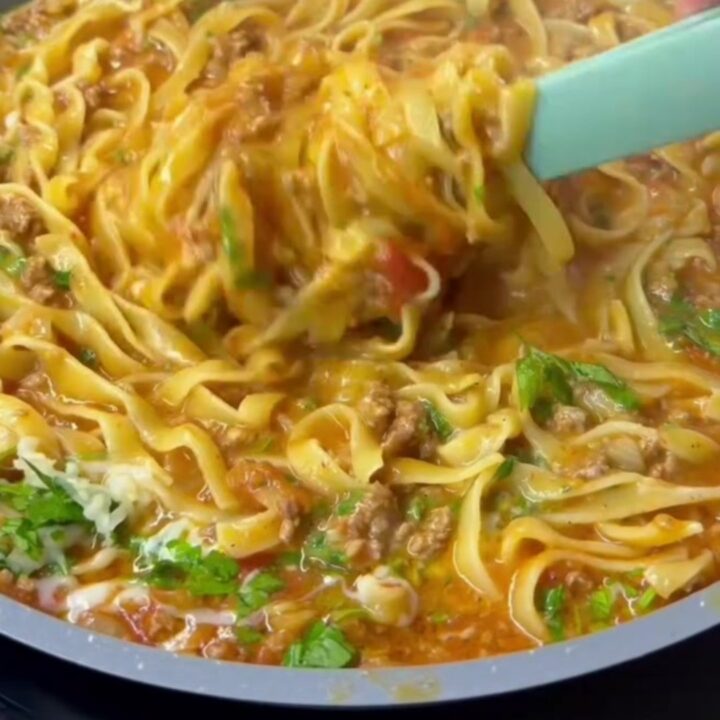
When tossing the pasta with the sauce, do it over low heat so the cheese melts gradually and the sauce doesn't break. If the sauce seems too thick, add reserved pasta water a few tablespoons at a time until it reaches a silky, flowing consistency.
The goal is a sauce that clings to the pasta but still moves on the plate. Taste as you go and adjust seasoning – the cheese adds salt, so you may need less salt than you think.
Variations
- Spicy Arrabbiata Style: Add 1/2 teaspoon red pepper flakes along with the garlic for a gentle heat. Finish with a drizzle of chili oil and extra basil for a vibrant kick.
- Mushroom and Herb: Sauté 8 oz sliced cremini mushrooms with the vegetables. Add 1 teaspoon dried oregano and 1/2 teaspoon dried thyme to the sauce for an earthy, aromatic twist.
- Red Wine Infusion: After browning the beef, deglaze the pot with 1/2 cup dry red wine, scraping up the browned bits. Let it reduce by half before adding the tomatoes and broth for deeper flavor.
- Ricotta Dollop: Instead of mozzarella, dollop fresh ricotta on top of each serving. The creamy ricotta adds a mild, tangy contrast to the rich ragù.
Storage and make-ahead
- Fridge
- Store leftover ragù and pasta in an airtight container in the refrigerator for up to 4 days. Reheat gently with a splash of water or broth.
- Freezer
- The sauce (without pasta) freezes well for up to 3 months. Thaw overnight in the refrigerator and reheat gently before tossing with fresh pasta.
- Reheat
- Reheat leftover ragù and pasta in a skillet over medium heat, adding a splash of water or broth to loosen the sauce. Stir until heated through.
Leftover ragù and pasta can be stored in an airtight container in the refrigerator for up to 4 days. The pasta will absorb some sauce as it sits, so when reheating, add a splash of water or broth to loosen it. Reheat gently on the stovetop or in the microwave, stirring occasionally, until heated through. The flavors will continue to develop, making the leftovers even more delicious.
The ragù sauce can be made up to 2 days ahead. Prepare the sauce as directed, but do not add the pasta. Let it cool completely, then refrigerate in an airtight container. When ready to serve, reheat the sauce in a pot over medium heat, adding a little broth or water to loosen it.
Cook the pasta fresh and toss with the reheated sauce, adding the cheeses and basil as directed. The sauce can also be frozen for up to 3 months; thaw overnight in the refrigerator before reheating.
Serving ideas
Serve the ragù in wide, shallow bowls to show off the glossy ribbons of pasta. Top each bowl with a generous shower of grated parmesan and a few torn basil leaves. A drizzle of good extra-virgin olive oil adds a fruity finish, if you like. This dish pairs beautifully with a simple green salad and crusty bread to soak up any extra sauce.
For a more indulgent presentation, add an extra cube of fresh mozzarella on top of each serving and let it melt slightly from the heat. You can also offer additional grated parmesan at the table for those who want more.
The ragù is hearty enough to be a main course on its own, but it also works as a side dish alongside grilled meats or roasted vegetables. Enjoy it warm, with a glass of your favorite red wine.
Frequently asked questions
Can this ragù be made ahead of time?
What type of ground beef is best for this recipe?
Can you use dried tagliatelle instead of fresh?
Why is your sauce too thin?
Can this recipe be made gluten-free?
Slow-Simmered Beef Ragu with Tagliatelle
Ingredients
- 3 tbsp extra-virgin olive oil
- 1 lb ground beef (80/20)
- 1 medium carrot, finely diced
- 1 stalk celery, finely diced
- 1 medium yellow onion, finely diced
- 4 cloves garlic, minced
- 1 can (28 oz) whole peeled tomatoes, preferably roasted
- 1 cup beef broth
- 12 oz fresh tagliatelle
- 1 cup grated parmesan cheese, plus more for serving
- 8 oz fresh mozzarella, cubed
- 1/2 cup fresh basil leaves, torn
- Kosher salt, to taste
- Black pepper, to taste
Instructions
- Heat the olive oil in a large heavy-bottomed pot or Dutch oven over medium-high heat. Add the ground beef and cook, breaking it up with a wooden spoon, until deeply browned and caramelized, about 8-10 minutes. Add the carrot, celery, and onion, and cook, stirring occasionally, until the vegetables are soft and golden, about 6-8 minutes. Stir in the garlic and cook until fragrant, about 1 minute.
- Add the whole peeled tomatoes and beef broth to the pot, crushing the tomatoes with the spoon. Bring the mixture to a simmer, then reduce the heat to low. Let the ragù simmer gently, uncovered, for at least 45 minutes, stirring occasionally, until the sauce is thickened and the flavors have melded. Season with salt and pepper to taste.
- Bring a large pot of salted water to a boil. Add the fresh tagliatelle and cook until al dente, about 2-3 minutes. Reserve about 1 cup of pasta water before draining.
- Add the drained tagliatelle directly to the pot with the ragù. Pour in about 1/2 cup of the reserved pasta water. Toss everything together with tongs, allowing the sauce to cling to the noodles. Fold in the grated parmesan and cubed mozzarella, tossing until the cheese is melted and creamy. If the sauce seems too thick, add more pasta water a little at a time until it reaches a silky consistency.
- Remove the pot from the heat. Taste and adjust seasoning with salt and pepper. Divide the ragù and pasta among warm serving bowls. Top each bowl with a generous shower of grated parmesan and torn basil leaves.
Estimated nutrition per serving
- Calories
- 720
- Protein
- 38 g
- Carbohydrates
- 58 g
- Fat
- 36 g
- Fiber
- 5 g
- Sugar
- 10 g
- Sodium
- 980 mg
Next recipe
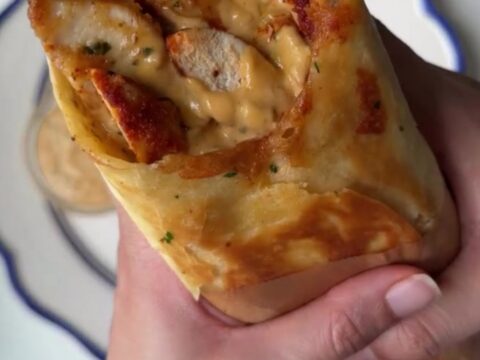
Crispy Chicken Alfredo Wraps with Garlic Parmesan Sauce
See the recipe → →This recipe is based on a short cooking video and is published under the pen name Clara Weller. It was checked before publication, but errors can slip through. Nutrition, when shown, is an estimate. Read more in our editorial policy and on our food safety page.
More recipes to try
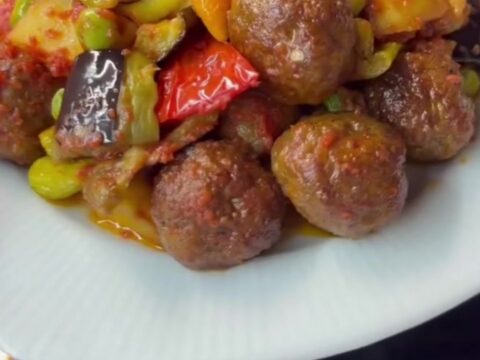
Turkish Meatball and Roasted Vegetable Casserole
Total time: 45 min
Spicy Chicken Alfredo Fettuccine with Chili Crisp
Total time: 30 min
Baked Feta Shell Pasta with Blistered Tomatoes
Total time: 45 min
Crispy Chicken Shawarma Wrap with Garlic Toum Sauce
Total time: 45 min
Crispy Antakya Kaytaz Böreği with Spiced Beef
Total time: 1 h 40 min