Dinner · Part 2 of 3: Instructions
Slow-Roasted Lamb Shoulder with Potatoes Step-by-step instructions
- Prep
- Cook
- Total
- Serves
- 6
Before you start
Ensure the lamb is removed from the refrigerator about 30 minutes before you begin cooking to take the chill off. Preheat your oven fully to the specified temperature to ensure a consistent roasting environment.
Peel your potatoes carefully and slice them into uniform rounds to guarantee they cook at the same rate. Have your roasting pan and a large sheet of heavy-duty aluminum foil ready to go. Make sure your workspace is clean and organized, with your ingredients prepared and within easy reach of the stove.
Ingredients at a glance (2)
- 4 lb lamb shoulder, bone-in
- 2 lb potatoes, peeled and sliced
Instructions
Preparation and Assembly
- Prepare the IngredientsPreheat the oven to 325°F (163°C). Peel and slice the potatoes into uniform rounds, about 1/4 inch thick. Place them in the bottom of a large roasting pan in an even layer.Look for The potatoes should be sliced evenly to ensure they cook through at the same rate.Tip Ensure the potatoes are sliced to a similar thickness for even roasting.
At the end of this phase, the potatoes are evenly distributed in the pan. The oven is fully preheated and stable. The assembly should look clean, with the potatoes forming a solid base for the lamb to rest on throughout the long roasting duration. Ensure the pan is ready for the oven before proceeding to the next step.
Slow Roasting Process
- Slow Roast the LambPlace the lamb shoulder directly on top of the bed of sliced potatoes in the roasting pan. Cover the pan tightly with foil to trap moisture. Roast in the center of the preheated oven for approximately 3 to 4 hours, or until the meat is extremely tender and falling off the bone.Look for The meat will look deeply browned and pull away easily from the bone when tested with a fork.Tip Keep the foil tight to create a steam environment that helps tenderize the lamb during the long cooking process.
The lamb is covered securely and roasting in the oven. The kitchen should begin to smell savory as the fat renders. During this phase, it is important to ensure the seal on the roasting pan remains intact to keep the environment humid and ensure the meat becomes tender and juicy. Do not open the oven unnecessarily.
Final Resting and Serving
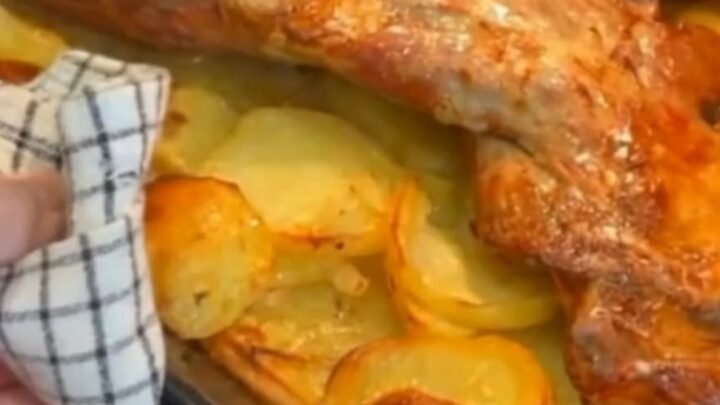
- Finish and RestRemove the foil and check the internal temperature. The lamb must reach at least 145°F (63°C) at the thickest part. Once done, remove from the oven and let the roast rest for at least 3 minutes before serving. The potatoes will have absorbed the rendered lamb fat and juices during the roasting process.Look for The lamb should be golden brown and the juices should run clear. The meat should be firm but yield easily under pressure.Safe temperature 145°F (63°C) internal temperature (steaks, chops and roasts)Tip Resting is essential to allow the juices to redistribute throughout the meat, resulting in a much juicier final texture.
The lamb has reached the safe temperature of 145°F (63°C). The meat is tender, the potatoes are soft and flavorful, and the juices have been allowed to redistribute during the resting period.
The final dish should be aromatic, with the meat easily flaking off the bone for a perfect serving. Check for tenderness before serving.
Common mistakes
A common mistake is rushing the cooking process by raising the oven temperature, which can result in tough, chewy meat rather than the tender, fall-apart texture desired. Another frequent error is failing to cover the pan tightly, which allows moisture to escape and leads to a dry roast.
Finally, neglecting to let the meat rest after cooking will cause the juices to run out immediately upon carving, resulting in a drier piece of meat. Always use a thermometer to verify the internal temperature.
How to tell it’s done
The lamb is perfectly done when it reaches an internal temperature of 145°F (63°C) at its thickest point. Beyond the temperature, the visual and physical cues are unmistakable: the meat should be pulling away from the bone, and it should offer no resistance when pierced with a fork.
The potatoes should be tender and golden, having absorbed the savory juices from the meat. Ensure you let the roast rest for at least 3 minutes after removing it from the oven to allow the juices to settle.
- Steaks, chops and roasts: 145°F (63°C) in the thickest part, then a 3-minute rest
Up next · Part 3 of 3
2 variations · storage & make-ahead · 3 answers · printable card
Tips, FAQ & printable recipe (Part 3)← Back to the ingredients (Part 1)