Dinner · Part 1 of 3: Ingredients
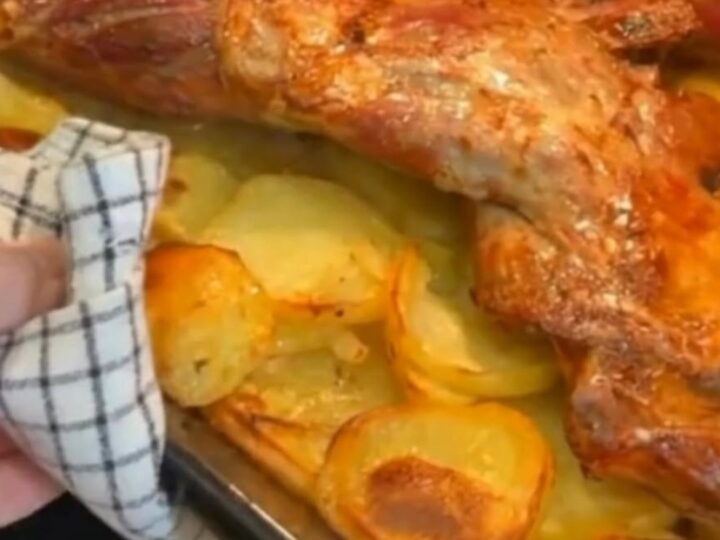
Slow-Roasted Lamb Shoulder with Potatoes
- Prep
- Cook
- Total
- Serves
- 6
Transform a modest lamb shoulder into a feast of incredible tenderness with this slow-roasted technique. By layering the meat over sliced potatoes, you ensure that every bite is infused with savory juices and rich flavor.
This simple approach requires only a few ingredients and patience, making it an ideal choice for a stress-free dinner that delivers restaurant-quality results in the comfort of your own home.
Slow roasting is the secret to achieving perfectly tender lamb that practically melts in your mouth. In this method, the lamb shoulder is placed atop a bed of potatoes, which act as a flavorful sponge for the rendered fat and juices.
As the lamb cooks slowly at a lower temperature, the connective tissues break down, creating a succulent texture that is difficult to replicate with faster cooking methods. This dish relies on the quality of the meat and the steady application of heat to transform basic ingredients into a satisfying meal.
Ingredients
Main
- 4 lb lamb shoulder, bone-in
- 2 lb potatoes, peeled and sliced
Why this recipe works
The slow-roasting process is ideal for tougher cuts like lamb shoulder because it allows the collagen to break down slowly over several hours. This results in meat that is exceptionally tender and moist. By keeping the roasting pan covered for the majority of the cooking time, the moisture is trapped, ensuring the meat does not dry out and remains succulent throughout the process.
Placing the lamb directly on the potatoes creates a symbiotic cooking environment. The potatoes are seasoned by the drippings from the lamb, which adds a deep, savory flavor that cannot be achieved by roasting them separately.
This one-pan approach also simplifies the cleanup process, as the potatoes and meat are cooked together in the same vessel, allowing for efficient heat distribution and flavor melding.
Notes and substitutions
When selecting a lamb shoulder, look for a piece with good marbling, as this fat will render down and keep the meat moist during the long cooking time. Bone-in cuts are preferred for this recipe because the bone adds extra flavor and helps conduct heat to the center of the roast, ensuring more even cooking. Always pat the meat dry with paper towels before starting to ensure a better crust.
A heavy-duty roasting pan with a tight-fitting lid or strong aluminum foil is necessary to maintain the internal moisture. If the potatoes appear to be cooking faster than the lamb, you can add a splash of water or broth to the bottom of the pan to prevent them from scorching.
Avoid using a pan that is too large, as this can cause the juices to evaporate too quickly rather than steaming the meat effectively.
- lamb shoulder: lamb leg can be used, though it is leaner and may require slightly less cooking time to remain tender.
Equipment
- Large roasting pan
- Chef's knife
- Cutting board
- Tongs
- Meat thermometer
Up next · Part 2 of 3
3 steps · 4 h of cooking · what to look for at each stage
Step-by-step instructions (Part 2)