Dinner · Part 1 of 3: Ingredients
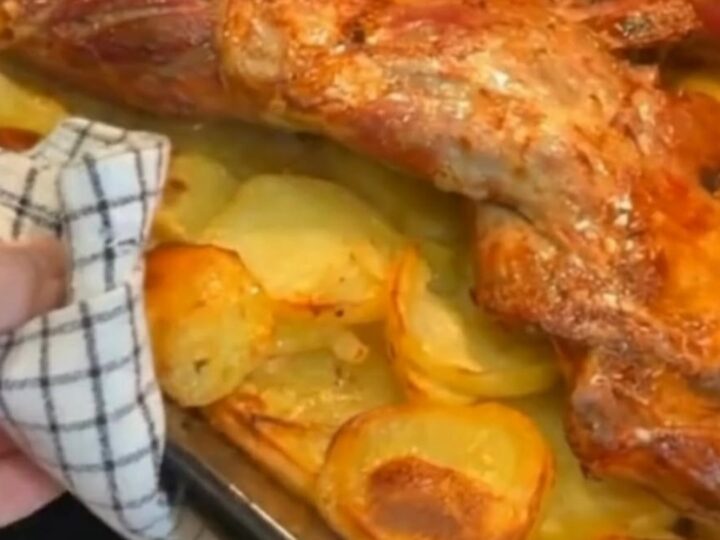
Slow-Roasted Lamb Shoulder with Crispy Potatoes
- Prep
- Cook
- Total
- Serves
- 6
Experience the ultimate comfort food with this slow-roasted lamb shoulder, cooked to absolute perfection over a bed of tender, golden potatoes. The lamb becomes incredibly succulent, pulling apart effortlessly with just two forks, while the potatoes absorb all the rich, savory drippings and broth during the long roast. It is a show-stopping centerpiece that requires minimal active prep time but delivers maximum flavor.
Slow-roasting is the absolute best method for preparing lamb shoulder, a cut known for its rich marbling and deep flavor. By roasting the lamb at a low temperature, the tough connective tissues break down slowly, transforming the meat into a meltingly tender masterpiece.
Slicing potatoes and layering them underneath the lamb creates a dual-purpose cooking setup: the potatoes act as a natural roasting rack, preventing the meat from boiling in the broth, while simultaneously soaking up the flavorful lamb fat and herb-infused juices. The result is a complete, comforting meal cooked in a single roasting pan.
Ingredients
- 1 whole bone-in lamb shoulder (4 to 5 pounds)
- 1/2 cup herb garlic paste
- 3 lb potatoes, sliced into 1/2-inch rounds
- 2 cups broth
Why this recipe works
The slow-roasting technique works beautifully because it relies on low, gentle heat to gradually melt the collagen within the lamb shoulder. Collagen is a tough protein that makes raw lamb shoulder chewy, but when subjected to steady heat over several hours, it dissolves into rich gelatin.
This gelatin coats the meat fibers, giving the lamb its signature succulent, juicy texture and preventing it from drying out. Using a bone-in shoulder further enhances this process, as the bone conducts heat evenly to the interior of the roast while imparting additional depth of flavor to the surrounding meat and pan juices.
Layering the sliced potatoes at the bottom of the pan with broth creates a humid cooking environment that keeps the meat moist throughout the long roasting process. As the broth heats up, it gently steams the underside of the lamb, while the top of the roast develops a deeply caramelized, golden-brown herb crust.
Meanwhile, the potatoes absorb the rich broth and the rendered lamb fat, cooking down until they are incredibly tender on the inside with beautifully crisped edges. This interaction of heat, moisture, and fat creates a perfect harmony of textures.
Notes and substitutions
For the best results, select a high-quality bone-in lamb shoulder weighing between four and five pounds. The bone is essential for keeping the meat moist and adding flavor, but a boneless shoulder can be used if you tie it securely with butcher's twine. When preparing the dish, a pre-made or freshly blended herb garlic paste is highly recommended, as it provides a bright, aromatic profile that cuts through the richness of the lamb. Ensure your potatoes are sliced to a uniform half-inch thickness so they cook evenly without turning to mush.
A heavy-duty roasting pan or a large cast-iron braiser is the ideal vessel for this recipe, as it retains and distributes heat exceptionally well. If you do not have beef or vegetable broth, water can be used as the liquid base to deglaze the pan and cook the potatoes.
If substituting the lamb, a bone-in pork shoulder can be prepared using the exact same herb garlic paste and roasting method, though the final flavor profile will differ. Always allow the lamb to sit at room temperature for about thirty minutes before roasting to ensure even cooking.
- lamb shoulder: bone-in pork shoulder or beef chuck roast
- broth: water, chicken broth, or dry red wine
Equipment
- Roasting pan
- Paper towels
- Meat thermometer
- Two forks
Up next · Part 2 of 3
4 steps · 4 h of cooking · what to look for at each stage
Step-by-step instructions (Part 2)