Dinner · Part 1 of 3: Ingredients
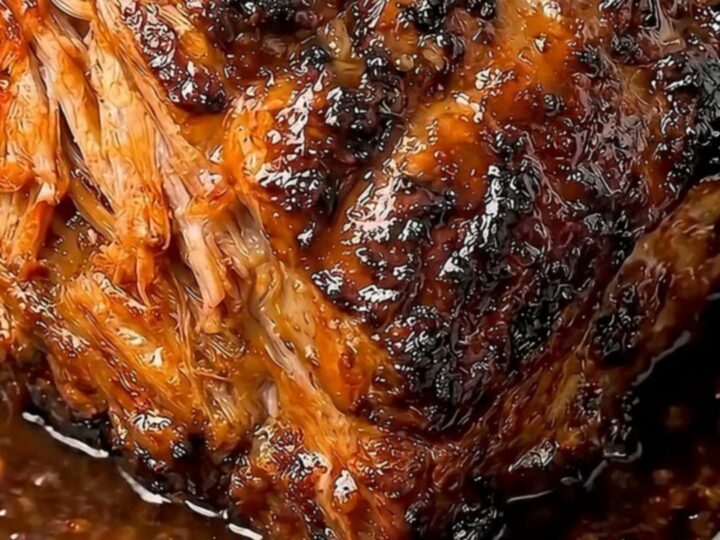
Slow-Roasted Honey Garlic Pork Shoulder for Tender Results
- Prep
- Cook
- Total
- Serves
- 8
Master the art of slow-roasted pork with this incredibly tender honey garlic recipe. By combining a savory marinade with low-temperature roasting, you achieve restaurant-quality results in your own home kitchen.
This dish is designed to be effortless yet impressive, making it the perfect centerpiece for a weekend dinner or a special gathering. The simple combination of honey and garlic creates a balanced flavor profile that highlights the natural richness of the pork shoulder without requiring complex techniques or hard-to-find ingredients.
The secret to this exceptional pork shoulder lies in the patience of the slow-roasting process. By allowing the meat to cook gently in its own juices and a flavorful honey garlic glaze, the fibers break down until the meat becomes succulent and easy to shred.
This recipe is designed for ease, requiring minimal hands-on time before the oven does the heavy lifting. The result is a deeply caramelized exterior and a moist, tender interior that pairs beautifully with a variety of sides, ensuring a satisfying meal for your entire family or guests.
Ingredients
Main
- 4 lb pork shoulder
Glaze
- 1/2 cup honey
- 4 cloves garlic, minced
Why this recipe works
The slow-roasting method at a low temperature is the most effective way to render the fat and soften the tough connective tissues found in a pork shoulder. By keeping the pan covered during the initial long cook, the meat remains moist as it steams in the flavorful honey garlic juices.
This process ensures that the collagen converts into gelatin, which is what gives the finished pork its signature melt-in-the-mouth quality and prevents it from becoming dry or stringy during the extended cooking time.
Increasing the heat at the end of the cooking process is essential for achieving the perfect finish. Removing the foil allows the sugars in the honey to caramelize, creating a sticky, deep-brown crust that contrasts beautifully with the tender meat inside. This short burst of high heat transforms the texture of the glaze, adding depth of flavor and a visually appealing sheen to the final dish. It is the final step that elevates the pork from a simple roast to a sophisticated, restaurant-style dinner.
Notes and substitutions
Selecting the right piece of pork is key to the success of this recipe. A bone-in pork shoulder is often preferred as the bone conducts heat into the center of the roast, helping it cook more evenly while adding extra flavor to the pan juices. If a boneless shoulder is used, simply adjust the cooking time slightly, as it may cook faster than a bone-in cut. Always look for a piece with good marbling, as the intramuscular fat is what keeps the meat succulent throughout the long roasting period.
When it comes to equipment, a heavy-duty metal baking pan is ideal for this recipe because it distributes heat evenly and is durable enough to withstand high temperatures. If you do not have a roasting pan, a deep, oven-safe casserole dish can work as a substitute.
Ensure that your aluminum foil is heavy-duty to create a proper seal, as preventing steam from escaping is vital for keeping the pork tender. A reliable meat thermometer is the only way to ensure the pork has reached the safe temperature of 145°F (63°C).
- honey: maple syrup or brown sugar for a slightly different flavor profile
Equipment
- Baking pan
- Small mixing bowl
- Whisk
- Aluminum foil
- Meat thermometer
- Carving fork
Up next · Part 2 of 3
3 steps · 5 h of cooking · what to look for at each stage
Step-by-step instructions (Part 2)