Dinner · Part 1 of 3: Ingredients
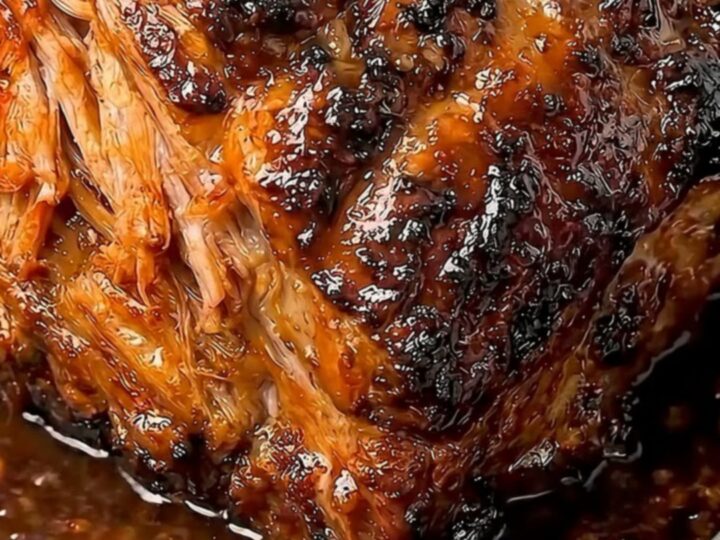
Slow-Roasted Honey Garlic Pork Shoulder for Tender Results
- Prep
- Cook
- Total
- Serves
- 6
Discover the art of slow-roasting pork shoulder to achieve a perfect balance of tenderness and a rich, sticky honey-garlic crust. This recipe focuses on simple techniques that yield impressive results, making it an ideal choice for a comforting family meal that requires minimal active effort once it is in the oven.
Pork shoulder, often known as pork butt, is the premier cut for slow-roasting due to its excellent fat marbling and connective tissue. When cooked low and slow, these components break down, creating a succulent result that shreds with the lightest touch of a fork.
The honey garlic glaze adds a depth of flavor that caramelizes beautifully, creating a contrast between the savory meat and the sweet, aromatic crust. This dish delivers a professional, restaurant-quality roast with straightforward steps, ensuring that the meat remains moist throughout the long cooking process while developing a deep, complex flavor profile.
Ingredients
Main
- 3 lb pork shoulder, trimmed of excess fat
Glaze
- 1/2 cup honey
- 4 cloves garlic, minced
Why this recipe works
The slow-roasting method is essential for breaking down collagen within the pork shoulder. By maintaining a steady, moderate oven temperature, the connective tissues gradually transform into gelatin, which keeps the meat moist and tender.
This process allows the flavors of the honey and garlic to penetrate deeply into the fibers, rather than just coating the exterior, resulting in a consistent flavor throughout every serving of the finished roast.
Scoring the fat cap serves a critical function by increasing the surface area exposed to the heat and the glaze. This technique allows the rendered fat to baste the meat from the top down while providing ample crevices for the honey garlic mixture to caramelize.
As the sugars in the honey brown under the heat, they create a complex, sticky crust that acts as a flavor anchor for the tender, shredded pork underneath.
Notes and substitutions
When selecting a pork shoulder, look for a piece with uniform thickness to ensure even cooking. The presence of a bone is optional, but bone-in roasts often provide extra flavor and moisture during the long roasting time.
If the pork is tied with twine, it is advisable to remove it before serving, but it can be left on during the cooking process to help the roast maintain its shape while it softens.
The choice of roasting pan is important for managing the juices released by the meat. A heavy-duty metal pan is ideal as it conducts heat well, helping to caramelize the sugars in the glaze at the bottom of the pan. Avoid using glass dishes, as they do not facilitate the same level of browning for the glaze, which is a hallmark of this recipe's finished texture and appearance.
- Honey: Maple syrup provides a slightly woodier flavor profile but works well as a direct 1:1 replacement in this glaze.
- Pork shoulder: Pork butt is functionally identical for this slow-roasting method and can be used interchangeably.
Equipment
- Roasting pan
- Pastry brush
- Sharp knife
- Meat thermometer
- Aluminum foil
Up next · Part 2 of 3
3 steps · 4 h of cooking · what to look for at each stage
Step-by-step instructions (Part 2)