Dinner · Part 1 of 3: Ingredients
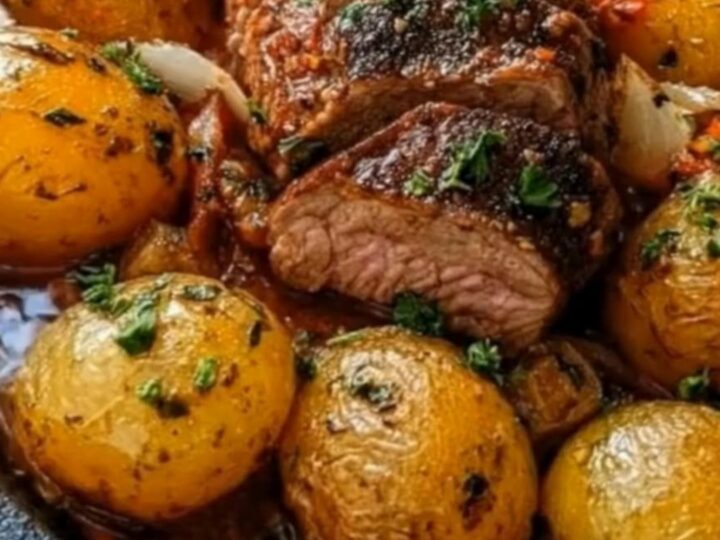
Slow-Roasted Beef Tenderloin with Herb Potatoes
- Prep
- Cook
- Total
- Serves
- 4
Discover the art of the perfect roast with this simple yet sophisticated beef tenderloin recipe. By combining slow-searing techniques with aromatic herb-infused butter, you can achieve restaurant-quality results in your own home kitchen.
This dish relies on the quality of the beef and the patience of the cook, ensuring every bite is tender, juicy, and packed with deep, savory flavor. Prepare to impress your guests with a classic meal that highlights the natural beauty of high-quality ingredients.
This slow-roasted beef tenderloin recipe focuses on the essentials: high-quality meat, fresh herbs, and the transformative power of butter. By searing the beef first to lock in moisture and then basting it with herb butter, you create a crust that is both visually stunning and incredibly flavorful.
The baby potatoes, cooked right in the same pan, absorb the rendered beef fat and herbs, creating a side dish that perfectly complements the richness of the tenderloin. It is a refined, reliable approach to a timeless classic, suitable for any special occasion or weekend dinner.
Ingredients
Main
- 2 lb beef tenderloin, trimmed
- 1 lb baby potatoes, scrubbed and halved
Cooking
- 4 tbsp unsalted butter
- 2 tbsp fresh herbs, chopped
Why this recipe works
The method of searing before basting ensures the beef maintains a succulent interior while developing a robust, flavorful exterior crust. Using a cast iron skillet provides consistent heat retention, which is critical for achieving the ideal golden-brown finish on both the beef and the potatoes. By cooking the potatoes in the residual juices, you maximize flavor extraction, turning the rendered fat into a natural, savory dressing that ties the entire dish together seamlessly.
Resting the meat is a fundamental step in this process. Allowing the beef to sit undisturbed for at least three minutes permits the internal muscle fibers to relax, which ensures that the flavorful juices are redistributed throughout the roast rather than spilling out onto the cutting board upon slicing. This simple practice guarantees that every portion of the tenderloin remains exceptionally tender and moist, providing the best possible texture and mouthfeel for your dining experience.
Notes and substitutions
Selecting a high-quality, center-cut beef tenderloin is paramount for this recipe, as the tenderness of the final dish depends entirely on the quality of the cut. Ensure you trim any excess silver skin or tough membrane before seasoning to ensure an even cook.
For the herbs, fresh rosemary, thyme, or parsley work exceptionally well, providing a bright, aromatic contrast to the richness of the beef and butter, which enhances the overall profile of the dish without overpowering the natural flavor of the meat.
A heavy-duty cast iron skillet is the preferred equipment for this recipe due to its superior heat distribution and durability. If a cast iron skillet is unavailable, a heavy-bottomed stainless steel pan may be used as a suitable alternative.
Ensure the pan is sufficiently heated before adding the beef to prevent sticking. If the butter begins to brown too quickly, reduce the heat slightly to avoid burning the milk solids, which could introduce an undesirable bitter note to the final pan sauce.
- beef tenderloin: sirloin roast or another high-quality tender cut of beef
- fresh herbs: dried Italian seasoning blend
Equipment
- cast iron skillet
- chef knife
- cutting board
- tongs
- meat thermometer
Up next · Part 2 of 3
3 steps · 45 min of cooking · what to look for at each stage
Step-by-step instructions (Part 2)