Dinner · Part 3 of 3: Tips & recipe card
Slow Cooker Salmon with Leeks and Cream Tips, FAQ & printable recipe
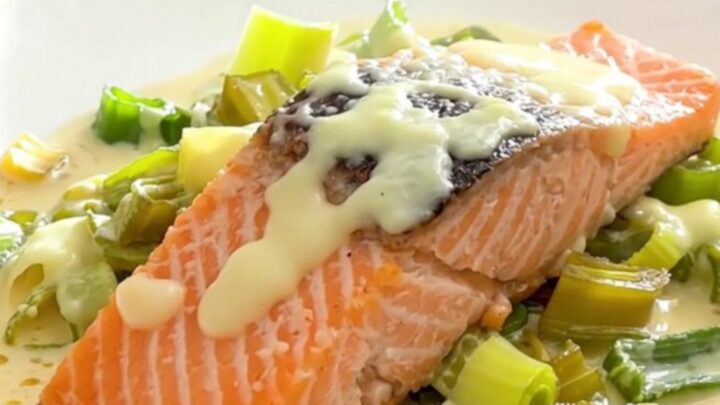
- Prep
- Cook
- Total
- Serves
- 4
Tips for success
To add a brightness to the finished dish, consider garnishing with a small amount of fresh dill or chives just before serving. These herbs complement the flavor of the leeks and salmon without overpowering the creamy sauce.
If you prefer a more pronounced lemon flavor, a small squeeze of fresh lemon juice added at the very end can lift the richness of the crème fraîche.
If you find that the leeks are not softening enough, you can quickly sauté them in a pan with a little butter for five minutes before placing them into the slow cooker.
This short extra step ensures that the leeks are perfectly tender and sweet, providing a more consistent texture throughout the final dish, especially if you prefer them very soft.
Variations
- Herb Infused: Add a tablespoon of fresh chopped dill or tarragon to the leeks before cooking. These herbs pair naturally with salmon and add a fresh, aromatic depth to the creamy sauce.
- Spiced Leeks: Stir a pinch of red pepper flakes into the crème fraîche for a subtle heat that cuts through the richness of the sauce and complements the mild flavor of the salmon.
Storage and make-ahead
- Fridge
- Keep refrigerated in an airtight container for up to 2 days.
- Reheat
- Reheat gently in a saucepan over low heat or in the microwave on low power until warmed through, being careful not to overcook the salmon.
Store any leftovers in an airtight container in the refrigerator. The salmon and creamy sauce can be kept for up to two days. Ensure the dish has cooled to room temperature, but do not leave it out for more than two hours to maintain food safety. When ready to eat, consume within 48 hours for the best quality and texture.
This dish is best prepared fresh for immediate serving, as the texture of the salmon can change if stored for too long. However, you can prepare the leeks and have the salmon ready in the slow cooker insert covered in the refrigerator for up to an hour before cooking. This allows for a quick assembly when you are ready to start the meal.
Serving ideas
Serve the salmon directly from the slow cooker, using a wide spatula to carefully lift each fillet onto a plate. Spoon the creamy leeks and sauce generously over the top of the fish.
This dish pairs beautifully with simple sides like steamed baby potatoes, crusty bread to soak up the sauce, or a crisp green salad to provide a fresh contrast to the rich cream.
Presentation is key, so try to serve on warm plates to keep the sauce at the perfect consistency. The creamy nature of the dish makes it feel special, so a simple garnish of fresh herbs or a light dusting of black pepper can enhance the visual appeal.
Ensure everyone has a spoon to enjoy the delicious sauce, as it is often considered the highlight of the meal.
Frequently asked questions
Can this be made with frozen salmon?
Why does the sauce look separated?
Is it possible to overcook salmon in a slow cooker?
Slow Cooker Salmon with Leeks and Cream
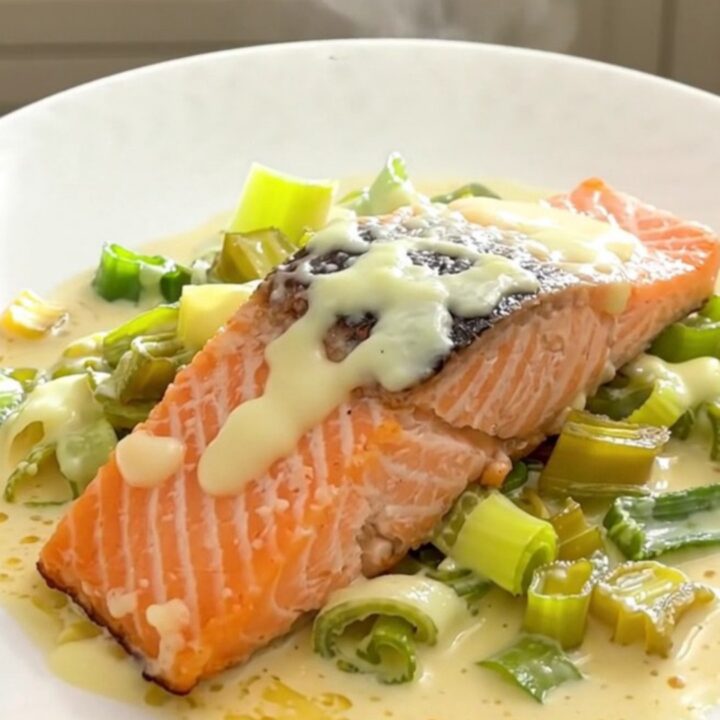
Ingredients
- 4 fillets salmon fillets
- 2 cups sliced leeks, cleaned
- 1 cube bouillon cube, crumbled
- 1/2 cup crème fraîche
Instructions
- Place the raw salmon fillets in the bottom of the slow cooker in an even layer. Ensure the fish is arranged so it can cook uniformly without overlapping too much.
- Scatter the sliced leeks over the salmon fillets. Distribute the crumbled bouillon cube evenly over the top of the leeks and fish to ensure the flavor permeates the ingredients during the cooking process.
- Drop spoonfuls of crème fraîche over the leeks and salmon. Cover the slow cooker and cook on low for 2 to 2.5 hours. Ensure the salmon reaches an internal temperature of 145°F (63°C) before serving.
Estimated nutrition per serving
- Calories
- 380
- Protein
- 32.5 g
- Carbohydrates
- 6 g
- Fat
- 25 g
- Fiber
- 1.5 g
- Sugar
- 2 g
- Sodium
- 450 mg
Next recipe

Slow Cooker Lamb Couscous with Root Vegetables
See the recipe → →This recipe is based on a short cooking video and is published under the pen name Clara Weller. It was checked before publication, but errors can slip through. Nutrition, when shown, is an estimate. Read more in our editorial policy and on our food safety page.
More recipes to try

Slow Cooker Turkey Blanquette for an Easy Weeknight Dinner
Total time: 4 h 15 min
Slow Cooker Deviled Pork Shoulder with Spicy Tomato Sauce
Total time: 8 h 15 min
Slow Cooker Braised Veal Roast with Wild Mushrooms
Total time: 6 h 20 min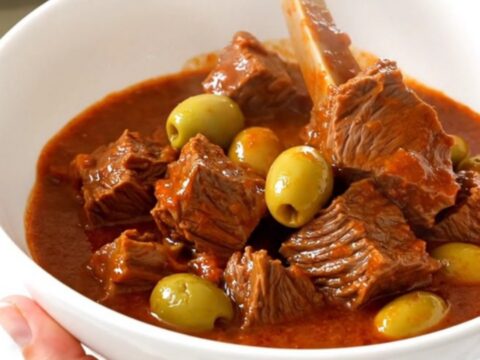
Slow Cooker Beef Stew with Tomato Sauce and Green Olives
Total time: 8 h 15 min
Slow Cooker Cumin Carrot Chicken for an Easy Weeknight Dinner
Total time: 4 h 15 min