Dinner · Part 1 of 3: Ingredients
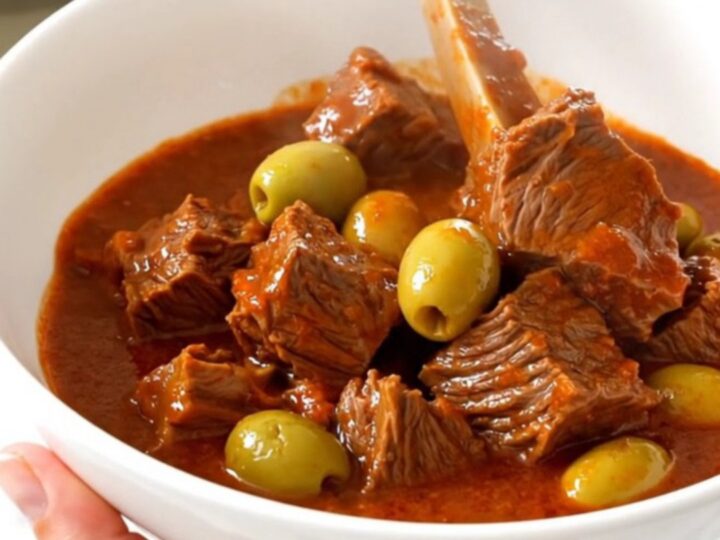
Slow Cooker Beef Stew with Tomato Sauce and Green Olives
- Prep
- Cook
- Total
- Serves
- 4
Transform humble ingredients into a restaurant-quality meal with the simple, hands-off magic of a slow cooker. This beef stew relies on time, not technique, to deliver deep, complex flavors that define a perfect comforting dinner for any night of the week.
This beef stew recipe is designed for maximum flavor with minimal effort. By utilizing a slow cooker, the tougher cuts of beef break down into melt-in-your-mouth tender pieces, while the tomato coulis and briny green olives meld to create a sophisticated, savory sauce.
This dish is ideal for busy individuals who want to come home to a hot, hearty meal without spending hours in the kitchen. The combination of herbaceous oregano and sharp olives provides a Mediterranean twist on the traditional beef stew, ensuring every bite is interesting and deeply satisfying.
Ingredients
- 2 lb beef cubes
- 1 onion, sliced
- 1 cup green olives, pitted
- 1 tsp dried oregano
- 2 cloves garlic, minced
- 2 cups tomato coulis
Why this recipe works
The slow cooking process is essential for breaking down the connective tissue in the beef. By keeping the temperature steady and low for several hours, the meat undergoes a gentle transformation, becoming succulent and tender.
This method ensures that the beef does not dry out, which is a common risk with high-heat cooking methods like roasting or frying. Instead, the meat braises in its own juices and the acidity of the tomato coulis, resulting in a rich and flavorful outcome that is difficult to replicate with faster cooking techniques.
Additionally, the layering technique ensures that all ingredients are infused with the sauce. Because the tomato coulis is poured over the top, it gradually filters through the onions, olives, and beef as the ingredients heat up. This process creates a self-basting effect that keeps the flavors concentrated.
The green olives add a necessary saltiness and acidity that cuts through the richness of the beef, creating a balanced profile that makes this stew stand out from standard recipes that might rely solely on heavy broths or potatoes.
Notes and substitutions
When selecting beef for this recipe, opt for a cut with some marbling, such as chuck roast, which is ideal for long, slow cooking. The fat will render during the long cook time, adding body and flavor to the sauce. Avoid overly lean cuts like sirloin, as they can become tough and stringy in the slow cooker. Ensure that you cut the meat into uniform, bite-sized cubes so that they cook evenly throughout the process. If the pieces are too large, the interior might remain undercooked while the exterior becomes mushy.
Regarding equipment, any standard slow cooker with a 4-to-6-quart capacity will work perfectly for this recipe. If you prefer a thicker stew, you can leave the lid slightly ajar during the last 30 minutes of cooking to allow some of the liquid to evaporate.
Always ensure your slow cooker is placed on a heat-resistant surface away from any flammable materials. If you do not have tomato coulis available, a high-quality tomato puree or a very finely blended canned tomato product will serve as a suitable replacement for the base.
- green olives: kalamata olives for a slightly deeper, saltier flavor profile in the final stew
- tomato coulis: crushed tomatoes blended until smooth to mimic the thick consistency of the coulis
Equipment
- slow cooker
- chef knife
- cutting board
- measuring cups
- measuring spoons
Up next · Part 2 of 3
3 steps · 8 h of cooking · what to look for at each stage
Step-by-step instructions (Part 2)