Dinner · Part 2 of 3: Instructions
Slow Cooker Beef Stew with Tomato Sauce and Green Olives Step-by-step instructions
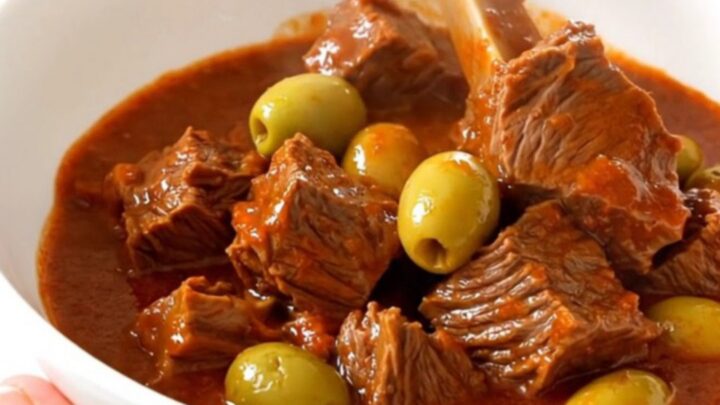
- Prep
- Cook
- Total
- Serves
- 4
Before you start
Before beginning, ensure that you have cleaned your workspace and prepared all ingredients. Trim any excess silver skin from the beef, but keep a small amount of fat for moisture. Slice the onions thinly to ensure they melt into the sauce, and ensure your green olives are pitted for easy eating.
Have your slow cooker placed in a convenient location near an outlet, and ensure the interior vessel is clean and dry. Preparing all ingredients in advance allows you to assemble the stew in minutes, making the process truly effortless.
Ingredients at a glance (6)
- 2 lb beef cubes
- 1 onion, sliced
- 1 cup green olives, pitted
- 1 tsp dried oregano
- 2 cloves garlic, minced
- 2 cups tomato coulis
Instructions
Layering the raw components
- Layering the ingredientsPlace the raw beef cubes at the bottom of the slow cooker vessel. Spread the sliced onions and pitted green olives evenly over the beef.Look for Ensure the beef covers the bottom of the cooker completely.Tip Layering the beef first allows it to cook directly in the juices that accumulate at the base.
At this stage, the slow cooker should be neatly layered with beef on the bottom and the vegetables on top. The ingredients should be arranged in a way that allows the heat to circulate properly through the center.
Ensure the beef is evenly distributed across the base, providing a stable foundation for the aromatics and the sauce that will follow. Check that your slow cooker is plugged in and ready for operation before proceeding to add the final liquid components to the assembly.
Adding aromatics and sauce
- Seasoning and saucingSprinkle the dried oregano and minced garlic over the top of the onions and olives. Pour the tomato coulis smoothly over the entire mixture until everything is well coated.Look for The tomato coulis should cover the ingredients, but do not stir.Tip Adding the sauce last helps it seep down through the layers while the slow cooker heats up.
The stew should now be coated in the tomato coulis, with the oregano and garlic distributed across the top. The surface should look vibrant and well-moistened. If the coulis does not cover the ingredients sufficiently, you may need to gently shake the cooker to help the liquid settle, but do not stir. The aroma of the raw garlic and oregano should be noticeable. Ensure the lid is securely in place to create the necessary seal for the slow-cooking process to begin effectively.
Slow cooking and resting
- Cooking and restingCover the slow cooker and cook on low for 8 hours until the beef reaches an internal temperature of at least 145°F (63°C). Turn off the heat and let the beef rest for 5 minutes before serving to ensure the fibers remain tender.Look for The beef should be fork-tender and the sauce thickened.Safe temperature 145°F (63°C) internal temperature (steaks, chops and roasts)Tip Check the temperature at the thickest part of the beef cube using a meat thermometer.
The stew is ready when the liquid has reduced slightly and the beef is tender. The kitchen should smell savory and slightly tangy from the olives and tomato base. The beef should be thoroughly cooked to 145°F (63°C). Before serving, verify that the sauce has achieved the desired consistency. If it appears too thin, remove the lid for a brief period. Ensure the stew is given the required resting time to allow the flavors to settle and the meat to reach its peak texture.
Common mistakes
A common mistake is overcrowding the slow cooker or stirring the ingredients too early. Resist the temptation to mix the ingredients together before cooking, as the layering method is specifically designed to let the tomato coulis penetrate the meat as it heats.
Another error is using a cut of beef that is too lean, which will result in a dry and chewy texture regardless of how long it is cooked. Finally, avoid lifting the lid frequently during the cooking process, as this releases heat and moisture, significantly extending the required cooking time.
How to tell it’s done
The stew is finished when the beef is fork-tender, meaning it should easily pull apart with the slight pressure of a fork. Using a digital meat thermometer is the most reliable way to confirm doneness; the beef should reach an internal temperature of at least 145°F (63°C).
Once this temperature is reached, the connective tissues will have broken down sufficiently to provide the ideal texture. Allow the meat to rest for 5 minutes after cooking to let the juices redistribute, which results in a significantly more tender final dish.
- Steaks, chops and roasts: 145°F (63°C) in the thickest part, then a 3-minute rest
Up next · Part 3 of 3
2 variations · storage & make-ahead · 3 answers · printable card
Tips, FAQ & printable recipe (Part 3)← Back to the ingredients (Part 1)