Dinner · Part 2 of 3: Instructions
Slow Cooker Saffron Monkfish with Autumn Vegetables Step-by-step instructions
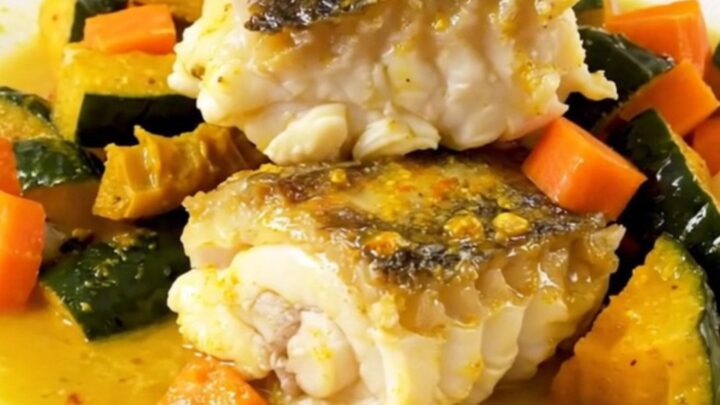
- Prep
- Cook
- Total
- Serves
- 4
Before you start
Before beginning, ensure that your slow cooker is clean and positioned on a level, heat-resistant surface. Prepare your ingredients by cutting the monkfish into uniform chunks, roughly two inches in size, to ensure they cook evenly.
Peel and dice your autumn vegetables, such as carrots and parsnips, into bite-sized pieces. Measure out your cream and broth mixture and set aside your saffron filaments. Having all components prepped before you start layering ensures a smooth process and prevents any last-minute scrambling during the assembly phase.
Ingredients at a glance (4)
- 1 1/2 lb monkfish, cut into large chunks
- 2 cups diced autumn vegetables, such as carrots and parsnips
- 1/4 tsp saffron filaments
- 1 cup cream and broth mixture
Instructions
Layering the Ingredients
- Prepare the BasePlace the monkfish pieces into the bottom of the slow cooker. Scatter the diced autumn vegetables evenly over the fish.Look for Ensure the fish is evenly distributed across the bottom of the cooker.Tip Cut vegetables into uniform sizes to ensure they cook evenly alongside the fish.
At the end of this phase, the slow cooker should contain a neat, organized base of monkfish and vegetables. Everything should be arranged to ensure optimal heat circulation. The ingredients should look vibrant and fresh, with the vegetables evenly distributed to provide a consistent foundation for the sauce. Verify that the fish pieces are not clumped together and that the vegetables are cut to a similar size to promote uniform cooking. The slow cooker is now ready to receive the aromatic liquids.
Adding Aromatics and Liquid
- Add Aromatics and LiquidSprinkle the saffron filaments over the vegetables. Pour the cream and broth mixture over the entire assembly to coat the ingredients.Look for Pour the liquid slowly to ensure it reaches all parts of the cooker.Tip Rub the saffron between your fingers before sprinkling to release more color and aroma.
Once the saffron and the cream-broth mixture are added, the slow cooker should look inviting and well-composed. The liquid should cover the ingredients just enough to facilitate a gentle simmer without completely submerging the top layer.
The saffron filaments will begin to bleed their golden hue into the cream, promising a deeply flavorful sauce. Check that the liquid is evenly distributed and that the saffron is well-dispersed across the top, ensuring its aroma will permeate the entire dish as it cooks slowly.
Cooking to Perfection
- Cook and ServeCover and cook on low heat for 3 hours. The fish is done when it reaches an internal temperature of 145°F (63°C). Let the fish rest for 5 minutes before serving.Look for The fish should be opaque and flake easily with a fork.Safe temperature 145°F (63°C) internal temperature (fish)Tip Check the temperature in the thickest part of the fish.
When the cooking time is complete, the kitchen should be filled with a rich, savory aroma. The sauce should be glossy and slightly thickened, with the saffron having imparted a beautiful, warm color to both the fish and the vegetables. The monkfish will look tender and opaque, indicating it has reached the ideal temperature. Check that the vegetables are fork-tender and the sauce has a consistent, velvety texture. Everything should be ready for a brief rest before the final plating and serving.
Common mistakes
A common mistake is overcrowding the slow cooker, which can prevent even heat distribution and lead to unevenly cooked fish. Ensure the pieces are spread out in a single layer if possible. Another error is overcooking the fish; while the slow cooker is forgiving, monkfish can still become tough if left for too long.
Always follow the recommended cooking time and monitor the temperature closely. Finally, do not stir the dish aggressively during the cooking process, as this can cause the delicate fish pieces to break apart and lose their attractive presentation.
How to tell it’s done
To determine if the monkfish is perfectly cooked, use a food thermometer to check the thickest part of the fish. The internal temperature should reach at least 145°F (63°C). Visually, the fish should be opaque throughout and flake easily when tested with a fork.
It should not appear translucent or slimy. The vegetables should be tender but still retain their shape and not be mushy. Allowing the fish to rest for 5 minutes after removing it from the heat ensures the juices redistribute, resulting in a more succulent final product.
- Fish: 145°F (63°C) in the thickest part
Up next · Part 3 of 3
2 variations · storage & make-ahead · 3 answers · printable card
Tips, FAQ & printable recipe (Part 3)← Back to the ingredients (Part 1)