Dinner · Part 1 of 3: Ingredients
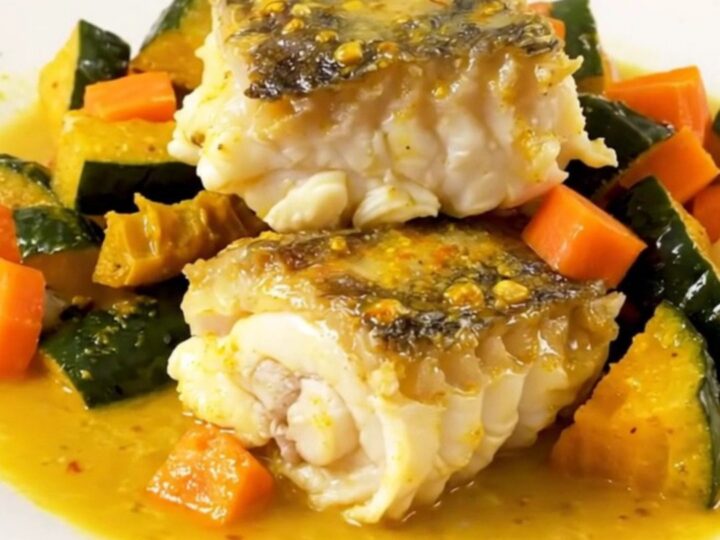
Slow Cooker Saffron Monkfish with Autumn Vegetables
- Prep
- Cook
- Total
- Serves
- 4
Discover the art of slow-cooked seafood with this elegant recipe. Combining the firm, succulent texture of monkfish with the earthy sweetness of autumn vegetables, this dish relies on the gentle, steady heat of the slow cooker to meld flavors perfectly. A touch of saffron provides a vibrant golden hue and a subtle, sophisticated aroma that elevates the creamy broth, making this an ideal choice for a comforting yet refined dinner during the cooler months of the year.
Monkfish is often called the poor man's lobster due to its firm, meaty texture and mild, sweet flavor, which holds up beautifully during the long, slow cooking process. By pairing it with hearty autumn vegetables, you create a dish that feels special without requiring hours of active time in the kitchen.
This recipe simplifies the process, allowing the slow cooker to do the heavy lifting while you focus on other tasks. The resulting dish is rich, aromatic, and incredibly satisfying, perfect for a cozy weeknight dinner or a relaxed weekend meal with family and friends.
Ingredients
Main
- 1 1/2 lb monkfish, cut into large chunks
- 2 cups diced autumn vegetables, such as carrots and parsnips
Sauce
- 1/4 tsp saffron filaments
- 1 cup cream and broth mixture
Why this recipe works
The slow cooker method provides a gentle, consistent heat that prevents the delicate monkfish from becoming rubbery or overcooked. By cooking the fish in a liquid base, the meat remains moist and tender throughout the process. This slow infusion allows the saffron to permeate the cream and broth, creating a deeply flavorful sauce that coats the vegetables and fish evenly. This technique ensures that even if you are busy, you can still produce a restaurant-quality meal with minimal effort and cleanup.
Using a mix of autumn vegetables adds texture and sweetness that complements the oceanic notes of the monkfish. These vegetables are chosen for their ability to maintain their structure during the cooking time, ensuring a satisfying bite in every serving.
The combination of cream and broth creates a luxurious, velvety sauce that is not too heavy, allowing the natural flavor of the fish to shine through. This method is highly effective for building complex flavors without the need for constant monitoring or high-heat cooking techniques.
Notes and substitutions
When selecting monkfish, look for pieces that are firm and have a clean, fresh smell. If monkfish is unavailable at your local market, firm white fish such as cod or halibut can be used as a suitable substitute, though you should adjust the cooking time slightly as they are more delicate.
Ensure that the vegetables are cut into uniform pieces to promote even cooking throughout the process. Using a mix of carrots and parsnips adds a lovely contrast in flavor, but you can also include other seasonal options like diced squash or turnips.
The choice of broth can significantly impact the final flavor of the sauce. A high-quality vegetable or mild fish stock is recommended to complement the seafood. The cream should be full-fat to ensure the sauce has a rich, stable consistency that does not break during cooking.
While saffron is the key aromatic, ensure you use high-quality threads for the best color and flavor. If you find the sauce is too thin at the end of the cooking process, you can gently remove the fish and vegetables and whisk in a small amount of cornstarch slurry before simmering.
- monkfish: firm white fish such as cod or halibut
- saffron: a pinch of turmeric for color, though the flavor profile will differ
Equipment
- Slow cooker
- Measuring cup
- Small dish
- Kitchen knife
- Cutting board
Up next · Part 2 of 3
3 steps · 3 h of cooking · what to look for at each stage
Step-by-step instructions (Part 2)