Dinner · Part 3 of 3: Tips & recipe card
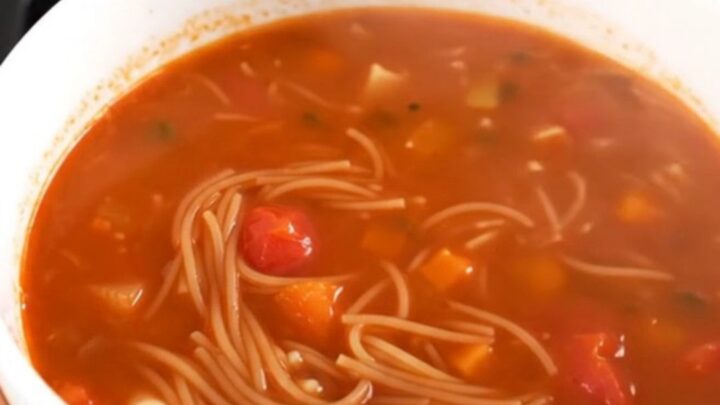
Slow Cooker Rustic Tomato and Vermicelli Soup Tips, FAQ & printable recipe
- Prep
- Cook
- Total
- Serves
- 4
Tips for success
To enhance the savory depth of the soup, consider adding a parmesan rind to the slow cooker during the initial cooking phase. The rind will infuse the broth with a subtle, umami richness that complements the tomatoes perfectly. Remember to remove and discard the rind before serving the soup to your guests.
If you enjoy a bit of heat, sprinkle a pinch of crushed red pepper flakes into the slow cooker along with the dried oregano.
This provides a gentle warmth that balances the natural sweetness of the tomatoes. Adjust the amount based on your personal preference for spice, starting with a small amount and tasting before adding more.
Variations
- Spinach and White Bean: Add a can of rinsed cannellini beans and two cups of fresh baby spinach during the final five minutes of cooking for extra protein and texture.
- Spicy Arrabbiata: Incorporate two tablespoons of tomato paste and a teaspoon of crushed red pepper flakes to create a bolder, spicier version of this rustic soup.
Storage and make-ahead
- Fridge
- Store in an airtight container in the refrigerator for up to 3 days.
- Freezer
- Freeze in a freezer-safe container for up to 2 months. Thaw in the refrigerator overnight.
- Reheat
- Reheat gently in a saucepan over medium heat or in the microwave until steaming hot, adding a splash of broth if necessary.
Allow the soup to cool for no more than two hours at room temperature before transferring it to airtight containers. Properly stored, the soup will maintain its quality in the refrigerator for up to three days. For longer storage, you can freeze the soup, though the pasta may soften further upon reheating.
This soup is excellent for meal prep. You can prepare the base with the vegetables and broth a day in advance and store it in the refrigerator.
When you are ready to eat, heat the base in the slow cooker or on the stovetop and add the vermicelli during the final minutes to ensure it stays firm and delicious.
Serving ideas
Serve this soup in warm ceramic bowls to help maintain its temperature. A sprinkle of freshly grated parmesan cheese or chopped fresh basil leaves adds a bright finish that cuts through the richness of the tomato broth.
Accompany the soup with a side of crusty bread or garlic toast for a complete and satisfying meal.
For a more substantial presentation, serve the soup alongside a crisp green salad with a light vinaigrette. The contrast between the hot, comforting soup and the cool, crunchy salad creates a balanced dining experience.
Ensure each bowl is served with a large spoon to capture the vermicelli and vegetable pieces in every flavorful bite.
Frequently asked questions
Can the pasta be cooked separately?
Is it possible to use fresh tomatoes instead of canned?
Why does the soup look thin?
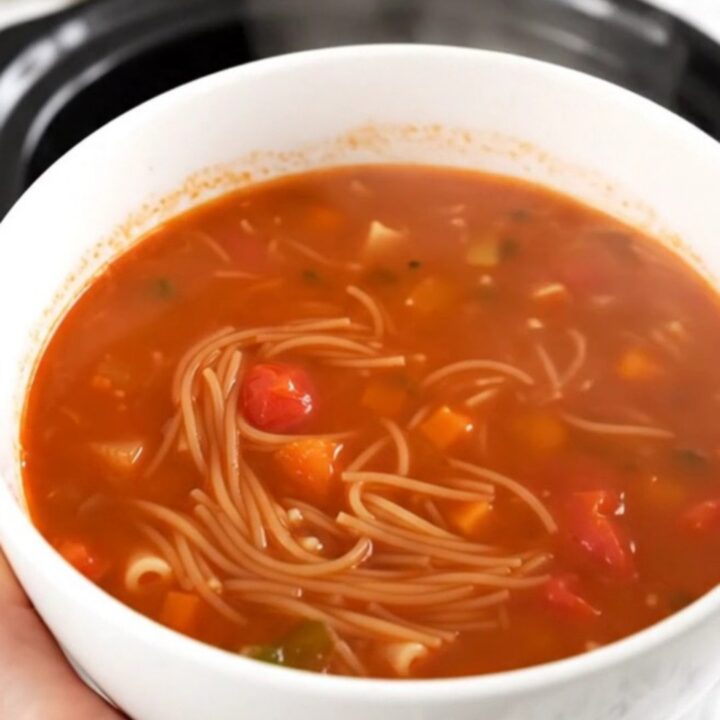
Slow Cooker Rustic Tomato and Vermicelli Soup
Ingredients
- 28 oz canned whole peeled tomatoes with juice
- 2 medium carrots, diced
- 1 medium onion, sliced
- 1 tsp dried oregano
- 4 cups chicken broth
- 4 oz dried vermicelli pasta
Instructions
- Place the whole peeled tomatoes with their juice into the slow cooker. Add the diced carrots, sliced onions, and dried oregano into the vessel. Pour the chicken broth over the top of the vegetables.
- Cover the slow cooker with its lid and set to cook on low for 4 hours. This duration allows the flavors of the onions, carrots, and tomatoes to meld thoroughly into the broth.
- Stir in the vermicelli pasta during the last 15 minutes of cooking. Ensure the pasta is submerged in the hot liquid until cooked through and al dente. Ladle the hot soup into bowls and serve immediately while steaming.
Estimated nutrition per serving
- Calories
- 180
- Protein
- 6 g
- Carbohydrates
- 35 g
- Fat
- 2 g
- Fiber
- 4 g
- Sugar
- 8 g
- Sodium
- 750 mg
Next recipe
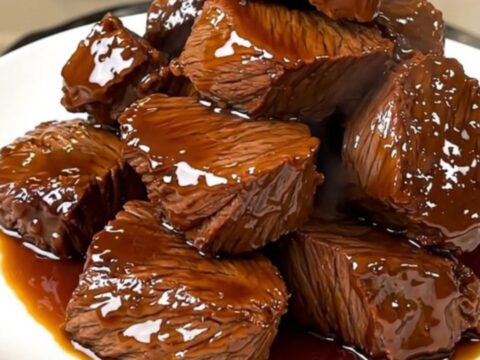
Slow Cooker Balsamic Honey Beef Chuck Roast
See the recipe → →This recipe is based on a short cooking video and is published under the pen name Clara Weller. It was checked before publication, but errors can slip through. Nutrition, when shown, is an estimate. Read more in our editorial policy and on our food safety page.
More recipes to try
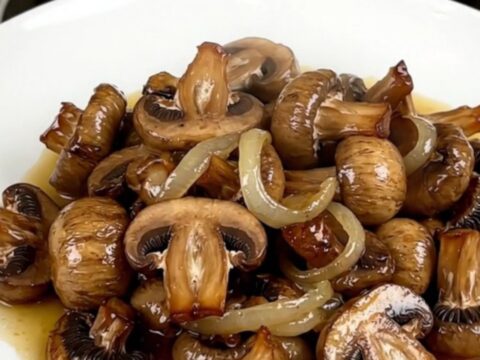
Slow Cooker White Wine and Shallot Braised Mushrooms
Total time: 3 h 10 min
Slow Cooker Coconut Curry Cod for an Easy Weeknight Dinner
Total time: 3 h 10 min
Slow Cooker Sweet Potato and Goat Cheese Gratin
Total time: 4 h 15 min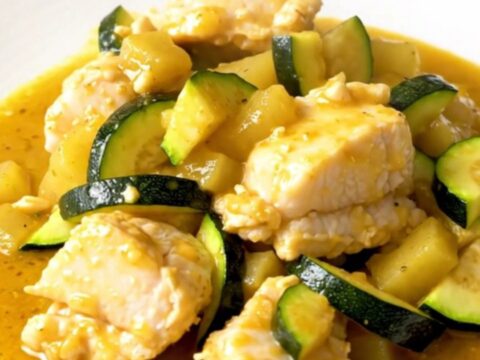
Slow Cooker Cod and Zucchini Colombo for an Easy Dinner
Total time: 3 h 10 min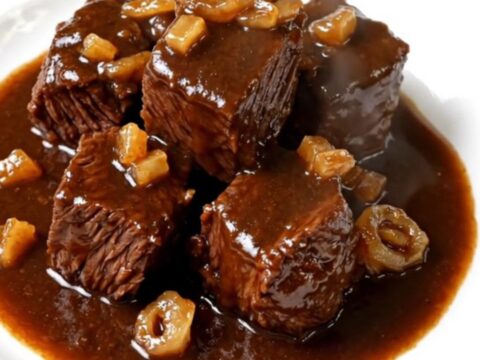
Slow Cooker Beef Bourguignon with Candied Shallots
Total time: 8 h 15 min