Dinner · Part 1 of 3: Ingredients
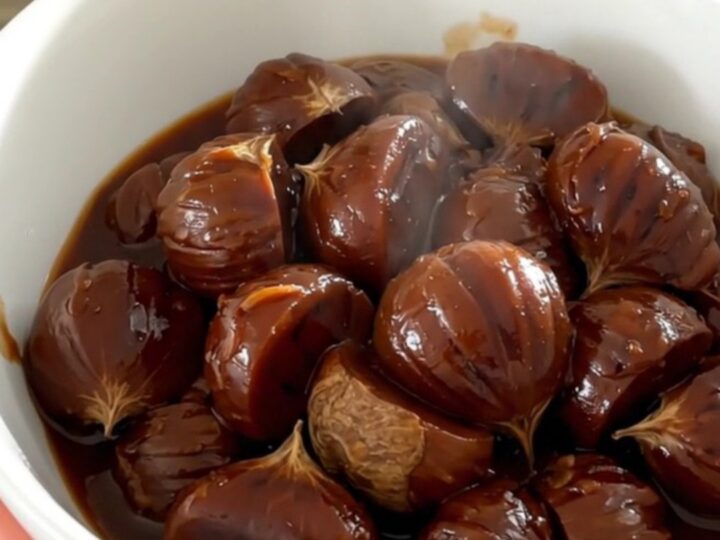
Slow-Cooker Red Wine Stewed Chestnuts for a Cozy Dinner
- Prep
- Cook
- Total
- Serves
- 4
Discover the magic of slow-simmered chestnuts paired with the richness of a red wine reduction. This elegant yet simple dish turns pantry staples into a sophisticated meal that is perfect for chilly evenings when a warm, comforting bowl is exactly what the soul needs to relax after a long and busy day.
Stewed chestnuts in red wine offer a unique balance of savory and sweet notes that are rarely found in everyday cooking. By utilizing the gentle, consistent heat of a slow cooker, the chestnuts become tender and absorb the complex, fruity acidity of the wine, while the bouillon provides a deep, savory foundation that ties all the flavors together.
This recipe is designed for ease, requiring only a few moments of preparation before the slow cooker handles the rest, resulting in a dish that feels elevated and thoughtful.
It is an excellent choice for those who appreciate vegetarian cuisine that does not sacrifice depth or texture. Whether served as a standalone light dinner or as a refined side dish, these stewed chestnuts are sure to impress with their glossy appearance and harmonious flavor profile.
Ingredients
- 1 lb whole peeled chestnuts
- 2 medium carrots, sliced
- 2 large shallots, sliced
- 1 cube vegetable bouillon cube, crumbled
- 2 bay leaves
- 1 cup dry red wine
Why this recipe works
The slow-cooking method is essential for this recipe because it allows the chestnuts, which can be dense, to soften gradually without falling apart. As they simmer in the red wine, the starches in the chestnuts interact with the liquid, naturally thickening the sauce as it reduces. This process infuses every piece with the aromatic qualities of the bay leaves and the concentrated flavor of the vegetable bouillon.
Using a slow cooker ensures a steady, low temperature that prevents the wine from boiling too rapidly, which could make it bitter. This controlled environment promotes a slow marriage of flavors, allowing the shallots to melt into the sauce and the carrots to reach a perfect, tender consistency. The result is a cohesive stew where the individual components retain their integrity while contributing to a complex, unified final dish.
Notes and substitutions
When selecting ingredients, choose a dry red wine that is palatable enough to drink, as the flavor will concentrate significantly during the cooking process. A medium-bodied wine works best to balance the sweetness of the chestnuts and carrots.
Ensure that the chestnuts are fully peeled and ready for use to save time; if using vacuum-packed chestnuts, they will work perfectly without needing further treatment before going into the slow cooker.
The equipment required is minimal, essentially just a standard slow cooker and basic kitchen tools. If the slow cooker has an oval shape, it may allow for a better distribution of the ingredients compared to a round one, though both will function well.
The choice of bouillon is flexible, but a high-quality vegetable base will ensure the most depth of flavor. Always check the labels if specific dietary restrictions are a concern to ensure no hidden additives are present in the bouillon.
- dry red wine: vegetable broth mixed with a splash of balsamic vinegar for acidity
- vegetable bouillon cube: 1 teaspoon of vegetable bouillon paste
Equipment
- slow cooker
- knife
- cutting board
- measuring cup
Up next · Part 2 of 3
3 steps · 4 h of cooking · what to look for at each stage
Step-by-step instructions (Part 2)