Dinner · Part 3 of 3: Tips & recipe card
Slow-Cooker Portobello Herb Butter Pork Shoulder Tips, FAQ & printable recipe

- Prep
- Cook
- Total
- Serves
- 8
Tips for success
For the best flavor, use a high-quality garlic-herb compound butter, or make your own by mixing softened butter with minced garlic, chopped fresh parsley, thyme, and a pinch of salt.
If you prefer a thicker gravy, transfer the liquid to a saucepan after removing the pork and simmer over medium heat for 10 to 15 minutes, stirring occasionally, until reduced. You can also whisk in a cornstarch slurry (1 tablespoon cornstarch mixed with 2 tablespoons cold water) and cook until thickened.
To make the dish even more convenient, assemble everything in the slow cooker insert the night before, cover, and refrigerate. In the morning, place the insert in the slow cooker base and cook as directed.
This recipe also freezes well: store the shredded pork and gravy in an airtight container for up to 3 months. Thaw overnight in the refrigerator and reheat gently on the stovetop or in the microwave, adding a splash of broth or water if needed to loosen the sauce.
Variations
- Beef Chuck Version: Replace the pork shoulder with an equal weight of beef chuck roast. Cook on low for 8 to 10 hours, until fork-tender. Shred and serve with the same mushroom-butter gravy. The beef will be rich and deeply savory.
- Add Root Vegetables: Scatter 2 cups of baby carrots and 2 cups of halved new potatoes around the roast before cooking. They will absorb the savory sauce and become tender, making it a complete one-pot meal.
- Spicy Kick: Add 1 tablespoon of chopped chipotle peppers in adobo sauce along with the garlic for a smoky, spicy twist. The heat balances the richness of the butter and pork.
- Herb Swap: Use a different compound butter, such as one with rosemary and lemon zest, or tarragon and chives. Adjust the herbs to your preference, but keep the garlic for that essential savory note.
Storage and make-ahead
- Fridge
- Store in an airtight container in the refrigerator for up to 4 days.
- Freezer
- Freeze in a freezer-safe container for up to 3 months. Thaw overnight in the refrigerator before reheating.
- Reheat
- Reheat in a covered skillet over low heat, stirring occasionally, until heated through. Add a splash of broth or water to maintain the gravy's consistency.
Store leftover pork and gravy in an airtight container in the refrigerator for up to 4 days. The flavors will continue to meld, making the leftovers even more delicious.
Reheat gently on the stovetop over low heat, adding a splash of broth or water to maintain a saucy consistency. The pork can also be frozen for up to 3 months; thaw overnight in the refrigerator before reheating.
This recipe is ideal for making ahead. Prepare the pork as directed, then let it cool completely. Store in the refrigerator for up to 4 days or freeze for up to 3 months. When ready to serve, reheat gently on the stovetop or in the slow cooker on low, adding a little broth or water to loosen the sauce. Cook the egg noodles fresh just before serving for the best texture.
Serving ideas
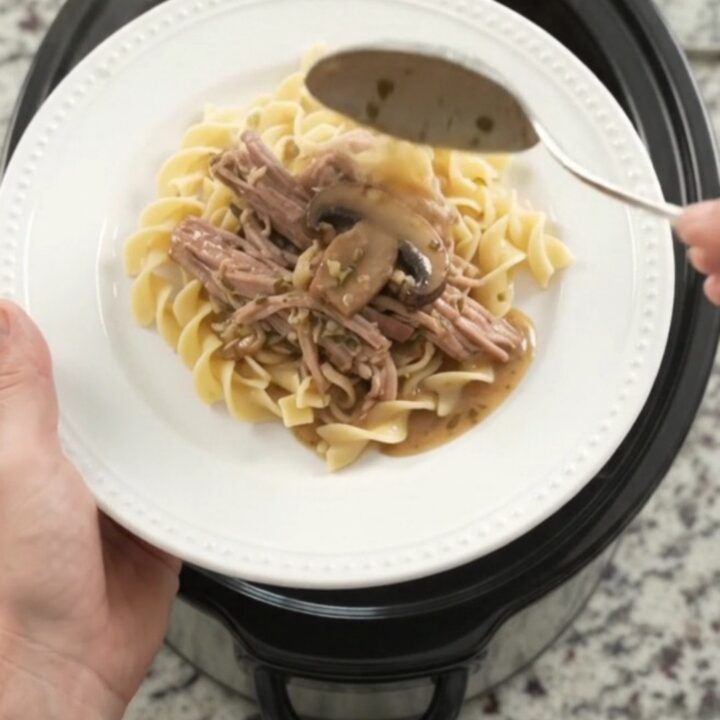
Serve the shredded pork and mushrooms over a generous bed of buttered egg noodles, spooning extra gravy over the top. The noodles soak up the rich sauce, making each bite satisfying and comforting.
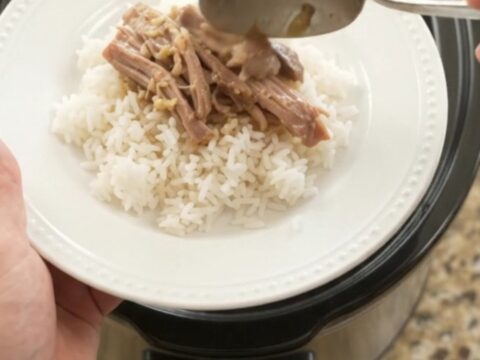
For a lighter option, serve over steamed rice or cauliflower mash. A sprinkle of fresh parsley or chives adds a pop of color and freshness. This dish pairs well with a simple green salad or roasted vegetables to balance the richness.
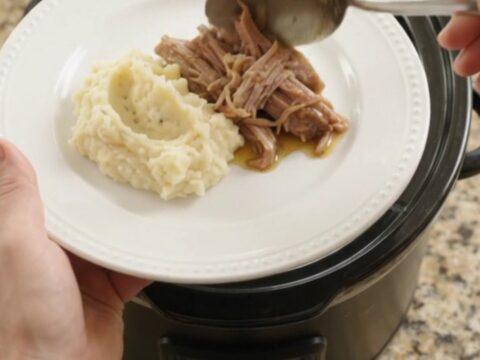
For a heartier meal, pile the pork onto toasted buns for a pulled pork sandwich, or serve it alongside creamy polenta and sautéed greens. The gravy is also delicious drizzled over mashed potatoes. Leftovers can be repurposed into tacos, quesadillas, or a hearty pasta sauce. No matter how you serve it, this slow-cooker pork is sure to become a family favorite.
Frequently asked questions
Can this recipe be made with pork loin instead of pork shoulder?
Is it necessary to brown the pork before slow cooking?
Can the cooking time be shortened by using the high setting?
What can be served instead of egg noodles?
How should leftovers be stored and reheated?
Slow-Cooker Portobello Herb Butter Pork Shoulder
Ingredients
- 4 lb boneless pork shoulder roast (Boston butt)
- 8 oz portobello mushroom caps, thickly sliced
- 2 tbsp minced garlic
- 4 oz garlic-herb compound butter (cowboy butter), cut into medallions
- 12 oz buttered egg noodles, for serving
Instructions
- Place the pork shoulder roast in the center of a 6- to 7-quart slow cooker. Scatter the thickly sliced portobello mushrooms over and around the roast. Sprinkle the minced garlic evenly over the top. Let it rest for 3 minutes before slicing.
- Arrange the medallions of garlic-herb compound butter evenly on top of the roast and mushrooms. The butter will melt during cooking, creating a rich, savory gravy.
- Cover the slow cooker and cook on low for 8 to 10 hours, until the pork is fork-tender and easily shreds. The internal temperature of the pork should reach at least 145°F (63°C), but for best texture, cook until it exceeds 190°F (88°C) for easy shredding. Let it rest for 3 minutes before slicing.
- Once the pork is cooked, transfer it to a cutting board and let it rest for at least 10 minutes. Using two forks, shred the meat into bite-sized pieces, discarding any large fat pieces. Return the shredded pork to the slow cooker and stir gently to coat with the mushroom-butter gravy.
- While the pork rests, cook the egg noodles according to package directions in salted boiling water. Drain well and toss with butter to coat. Keep warm until serving.
- Spoon a generous portion of buttered noodles onto each plate. Top with the shredded pork and mushrooms, and ladle extra gravy from the slow cooker over the top. Serve hot.
Estimated nutrition per serving
- Calories
- 640
- Protein
- 45 g
- Carbohydrates
- 25 g
- Fat
- 40 g
Next recipe
Slow-Cooker Dijon Cream Pork Shoulder
See the recipe → →This recipe is based on a short cooking video and is published under the pen name Clara Weller. It was checked before publication, but errors can slip through. Nutrition, when shown, is an estimate. Read more in our editorial policy and on our food safety page.
More recipes to try
Portobello Herb Butter Pork Shoulder: 10-Minute Crockpot Pulled Pork
Total time: 8 h 20 min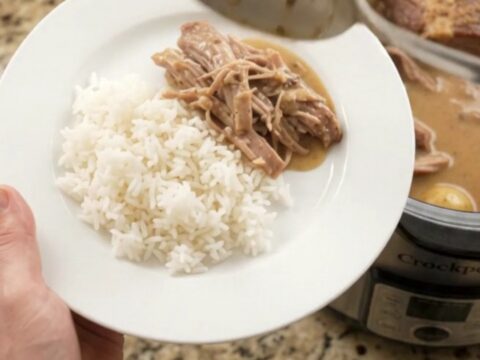
Slow-Cooker Pork Shoulder with Dijon Cream Gravy
Total time: 8 h 25 min
Slow Cooker Garlic Butter Pork Shoulder with Potatoes and Carrots
Total time: 8 h 25 min
Slow-Cooker Pork Shoulder with Yukon Potatoes and Brown Gravy
Total time: 8 h 10 min
Slow-Cooker Shallot Carrot Brown Gravy Pork Shoulder
Total time: 8 h 20 min