Dinner · Part 2 of 3: Instructions
Slow Cooker Pork Sirloin Roast with Yukon Gold Potatoes Step-by-step instructions
- Prep
- Cook
- Total
- Serves
- 6
Before you start
Before starting, make sure the slow cooker insert is clean and dry. Pat the pork sirloin roast dry with paper towels — this helps it brown if you choose to sear it first, though searing is optional.
Halve the baby Yukon Gold potatoes if they're larger than a golf ball. Peel the heirloom carrots and cut them into thick slices, about 1 inch thick. Measure out the salt, pepper, and butter. Have all the ingredients ready to layer into the slow cooker.
Ingredients at a glance (6)
- 3 1/2 lb boneless pork sirloin roast
- 1 1/2 lb baby Yukon Gold potatoes, halved
- 4 heirloom carrots, thick-cut
- 1/2 cup salted butter (1 stick)
- 1 tsp kosher salt
- 1/2 tsp black pepper
Instructions
Layer and Season
- Layer the Roast and VegetablesPlace the pork sirloin roast in the center of the slow cooker insert. Scatter the halved baby Yukon Gold potatoes and thick-cut heirloom carrots around the roast, tucking them snugly against the meat. Season everything with kosher salt and black pepper.Look for The roast sits in the middle with vegetables surrounding it in a single layer.Tip Cut any larger potatoes in half so they cook at the same rate as the carrots.
- Add the ButterPlace the whole stick of salted butter on top of the seasoned roast. It will melt and baste the meat and vegetables as the slow cooker works its magic.Look for The butter sits directly on the roast, ready to melt.Tip If the roast is very lean, the butter adds richness and keeps the meat moist.
At the end of this phase, the slow cooker contains a neat arrangement: the pork roast in the center, surrounded by halved potatoes and carrot chunks, all seasoned with salt and pepper. The butter sits on top. Everything looks fresh and colorful, ready to cook. Take a moment to ensure the vegetables are in a single layer for even cooking.
Slow Cook and Shred
- Slow Cook on LowCover the slow cooker and cook on low for 8 to 10 hours, or until the pork is fork-tender and shreds easily. The internal temperature of the pork should reach at least 145°F (63°C), but for shredding, cook until it reaches 200°F (93°C) for the most tender result. Let it rest for 3 minutes before slicing.Look for The meat pulls apart easily with a fork and the vegetables are tender.Safe temperature 145°F (63°C) internal temperature (steaks, chops and roasts)Tip Resist the urge to lift the lid during cooking; each peek adds 20 minutes of cook time.
- Shred the PorkRemove the roast to a cutting board and let it rest for at least 3 minutes. Using two forks, shred the pork into bite-sized pieces, discarding any large pieces of fat. Return the shredded meat to the slow cooker and stir gently to coat with the pan juices.Look for The pork is shredding easily and the juices are golden and bubbling.Safe temperature 145°F (63°C) internal temperature (steaks, chops and roasts)Tip Resting the meat before shredding helps keep it juicy.
After 8 to 10 hours, the kitchen is filled with the aroma of buttery pork and vegetables. The meat is so tender that it falls apart with the slightest touch.
The potatoes are soft and have absorbed some of the juices, and the carrots are sweet and tender. The pan juices are bubbling and have turned a rich golden color. Shred the pork and return it to the pot.
Serve
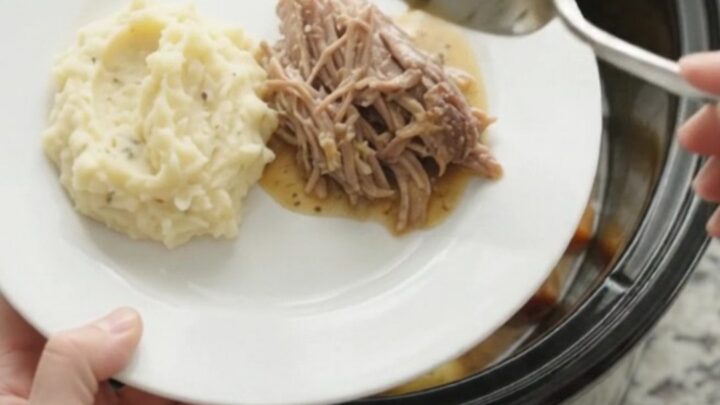
- Serve and EnjoySpoon the shredded pork, potatoes, and carrots onto plates or into bowls. Drizzle with the buttery pan jus from the slow cooker. Serve hot.Look for The dish is steaming and the jus is glossy and rich.Tip For a complete meal, serve with a side of crusty bread to soak up the juices.
The final dish is a glorious pile of shredded pork, potatoes, and carrots, all glistening with buttery jus. The pork is moist and pulls apart in long strands. The potatoes are creamy and have soaked up the flavors. The carrots are tender but still hold their shape. Serve hot, with extra jus spooned over the top.
Common mistakes
One common mistake is lifting the lid to check on the food. Every time the lid is opened, heat escapes, and the cooking time increases. Trust the process and keep the lid closed.
Another mistake is using a lean cut like pork tenderloin, which will dry out during the long cook time. Stick with sirloin or shoulder. Also, don't skip the salt — it seasons the meat and vegetables and enhances the flavor of the final dish.
How to tell it’s done
The pork is done when it reaches an internal temperature of at least 145°F (63°C) for food safety, but for shredding, cook it until it reaches 200°F (93°C). At this temperature, the collagen has broken down completely, and the meat will pull apart easily with a fork.
The potatoes should be fork-tender, and the carrots should be soft but not mushy. The juices should be bubbling and slightly thickened. If the pork isn't shredding easily, cook for another 30 to 60 minutes.
- Steaks, chops and roasts: 145°F (63°C) in the thickest part, then a 3-minute rest
Up next · Part 3 of 3
4 variations · storage & make-ahead · 5 answers · printable card
Tips, FAQ & printable recipe (Part 3)← Back to the ingredients (Part 1)