Dinner · Part 3 of 3: Tips & recipe card
Slow Cooker Pork Chops with Cabbage and Onions Tips, FAQ & printable recipe
- Prep
- Cook
- Total
- Serves
- 4
Tips for success
For those who enjoy a deeper flavor profile, consider searing the pork chops in a hot skillet for one minute per side before placing them into the slow cooker.
This optional step adds a golden crust and complex caramelized notes to the meat, although it is not strictly necessary for achieving a tender and delicious final result.
If the cabbage wedges appear too large, they can be separated slightly to ensure the broth reaches every layer. This helps in achieving a more consistent texture and ensures that the savory broth can penetrate the inner leaves of the cabbage, enhancing the overall flavor of the vegetable component of the meal.
Variations
- Herb-Infused Pork: Add a sprig of fresh rosemary or thyme during the cooking process to introduce aromatic earthy notes that pair beautifully with the pork and cabbage.
- Spicy Pork Chops: Incorporate a pinch of red pepper flakes or a dash of hot sauce into the broth to provide a subtle heat that cuts through the richness of the buttery base.
Storage and make-ahead
- Fridge
- Keep in an airtight container for up to 3 days.
- Freezer
- Store in a freezer-safe container for up to 2 months.
- Reheat
- Reheat in a pan over medium heat or in the microwave until steaming hot throughout.
Store any leftovers in an airtight container in the refrigerator to maintain freshness. Ensure the food has cooled to room temperature for no more than two hours before placing it in the fridge.
Properly stored, the pork chops and vegetables will remain flavorful for up to three days, making them an excellent option for quick future meals.
This dish is perfect for making ahead of time as the flavors tend to meld and deepen upon reheating. Simply prepare the recipe as directed, allow it to cool, and store it in the refrigerator.
Reheat gently on the stovetop or in the microwave until warmed through, ensuring the pork remains moist and the vegetables retain their structure.
Serving ideas
Serve the pork chops hot, accompanied by the tender braised cabbage and onions. The buttery broth from the slow cooker can be spooned over the meat and vegetables to add extra moisture and flavor. This dish pairs exceptionally well with a side of crusty bread or mashed potatoes to soak up the savory juices.
For a complete meal, consider serving the pork and cabbage alongside a crisp side salad or steamed seasonal greens.
The simplicity of the dish allows it to be dressed up with fresh herbs like parsley or chives, adding a pop of color and freshness that complements the rich, savory notes of the slow-cooked pork perfectly.
Frequently asked questions
Can bone-in pork chops be used in this recipe?
What is the best way to prevent the cabbage from becoming too soft?
Is it necessary to brown the pork chops first?
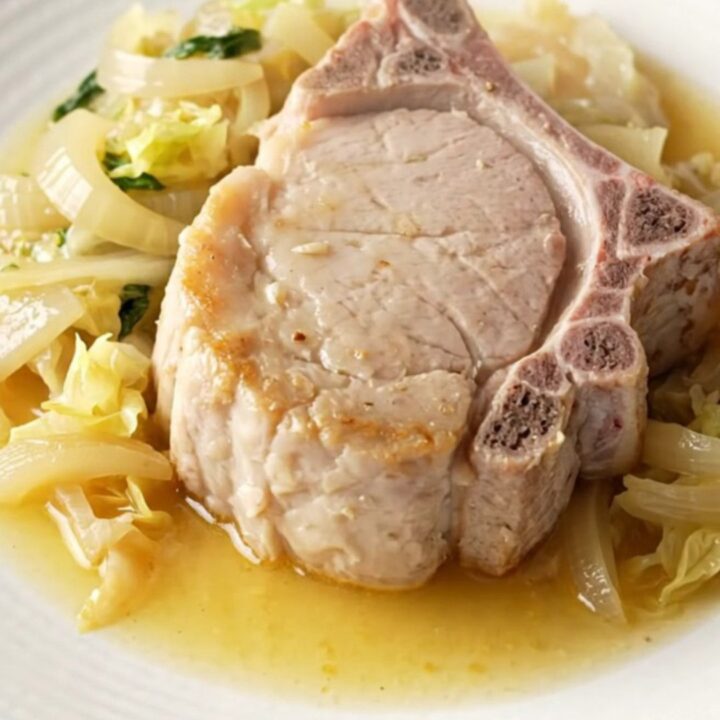
Slow Cooker Pork Chops with Cabbage and Onions
Ingredients
- 4 boneless pork chops
- 1/2 head cabbage, cut into wedges
- 1 large yellow onion, sliced
- 1 tsp garlic powder
- 1/2 tsp black pepper
- 1 cup buttery broth
Instructions
- Place the boneless pork chops into the bottom of a clean slow cooker, fanning them out to ensure even cooking. Arrange the cabbage wedges and sliced onions around the meat to fill the gaps.
- Sprinkle the garlic powder and black pepper evenly over the pork chops, cabbage, and onions. Carefully pour the buttery broth over the entire mixture to provide moisture for the braising process.
- Cover the slow cooker and set to low heat for four hours. Once the time is up, check that the pork chops have reached an internal temperature of 145°F (63°C). Remove the pork chops and let them rest for at least 3 minutes before serving alongside the tender cabbage and onions.
Estimated nutrition per serving
- Calories
- 320
- Protein
- 26 g
- Carbohydrates
- 8 g
- Fat
- 20 g
- Fiber
- 2.5 g
- Sugar
- 4 g
- Sodium
- 450 mg
Next recipe
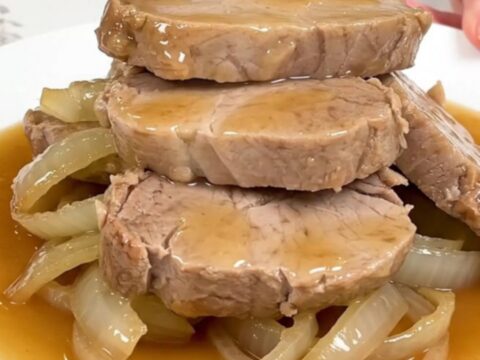
Slow Cooker Honey Ginger Pork Tenderloin
See the recipe → →This recipe is based on a short cooking video and is published under the pen name Clara Weller. It was checked before publication, but errors can slip through. Nutrition, when shown, is an estimate. Read more in our editorial policy and on our food safety page.
More recipes to try

Slow Cooker Bacon Parmesan Chicken
Total time: 4 h 10 min
Easy Crockpot Butter Chicken Meatballs
Total time: 4 h 5 min
Easy Slow Cooker Salsa Verde Turkey Meatballs
Total time: 4 h 5 min
Crockpot Cajun Honey Smoked Sausage for an Easy Dinner
Total time: 3 h 15 min
Creamy Chicken Vegetable Slow Cooker Stew
Total time: 4 h 15 min