Dinner · Part 1 of 3: Ingredients
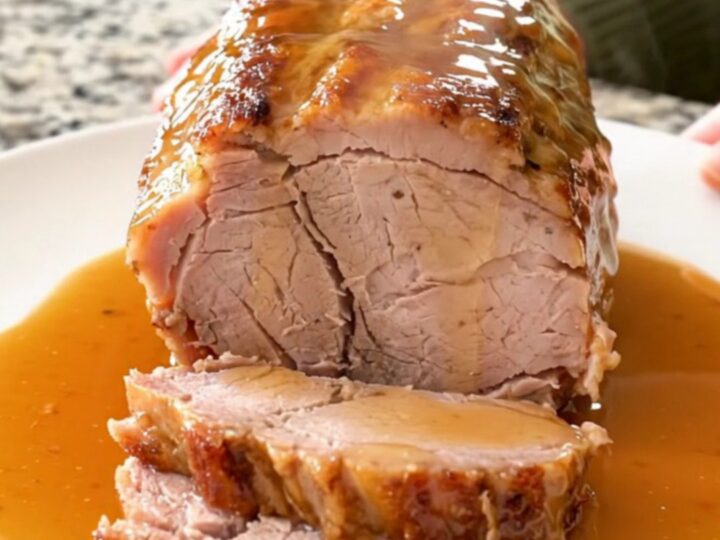
Slow Cooker Parmesan Honey Pork Loin
- Prep
- Cook
- Total
- Serves
- 6
Elevate your dinner routine with the effortless combination of savory Parmesan, aromatic basil, and a sweet, salty honey-soy glaze. This slow-cooked pork loin recipe delivers deep, complex flavors with minimal active preparation, making it an ideal choice for busy weeknights when you want a high-quality meal without spending hours in the kitchen.
Simply assemble the ingredients, set the slow cooker, and let the gentle heat transform the roast into a tender, succulent centerpiece for your family table.
The beauty of this dish lies in its simplicity and the way the slow cooker concentrates flavors over time. By combining the salty bite of Parmesan with the sweetness of honey and the umami of soy sauce, you create a balanced glaze that coats the pork perfectly. The addition of dried basil provides an earthy undertone that ties the ingredients together.
This recipe is designed to be straightforward, requiring only a few moments of effort to achieve a restaurant-quality result that is both comforting and impressive. It works well as a weeknight staple or a relaxed weekend dinner that fills the house with a delicious aroma.
Ingredients
Main
- 2 lb boneless pork loin roast
Seasoning
- 1/2 cup grated Parmesan cheese
- 1 tbsp dried basil
Sauce
- 1/2 cup honey soy sauce mixture
Why this recipe works
The slow cooker method is ideal for lean cuts like pork loin because the long, low-temperature cooking environment prevents the meat from drying out. As the pork cooks, the moisture released from the meat mingles with the honey soy sauce, creating a self-basting environment that keeps the roast incredibly succulent.
The gentle heat allows the flavors of the basil and Parmesan to infuse the meat thoroughly, resulting in a depth of flavor that is difficult to achieve with faster cooking methods.
Furthermore, the combination of sugar from the honey and proteins from the cheese creates a slightly thickened, rich sauce during the final stages of cooking. This process allows the glaze to cling to the meat rather than remaining thin. By using a slow cooker, you effectively braise the pork in its own juices and the added sauce, which breaks down the fibers just enough to ensure the pork is tender throughout while retaining its structure for easy slicing.
Notes and substitutions
Choose a high-quality boneless pork loin roast for the best results. The fat cap on a loin is minimal, so the slow cooking process is essential to maintain moisture. If your roast has a thick layer of fat, you can trim it slightly, but leaving a thin layer can help keep the meat moist during the extended cooking time. Ensure the roast fits comfortably in your slow cooker insert without being too cramped, which allows the heat to circulate properly.
For the sauce, use a standard honey soy blend. You can adjust the ratio of honey to soy sauce based on your preference for sweetness versus saltiness.
The Parmesan used should be freshly grated if possible, as it melts and incorporates into the sauce more effectively than pre-shredded varieties, which often contain anti-caking agents. The dried basil can be substituted with other dried herbs like thyme or rosemary if you prefer a different aromatic profile for your roast.
- dried basil: dried oregano or Italian seasoning blend
- grated Parmesan: grated Pecorino Romano for a sharper flavor
Equipment
- Slow cooker
- Ramekin
- Spoon
- Pitcher
- Meat thermometer
Up next · Part 2 of 3
3 steps · 4 h of cooking · what to look for at each stage
Step-by-step instructions (Part 2)