Dinner · Part 2 of 3: Instructions
Slow Cooker Paprika Cream Veal Step-by-step instructions
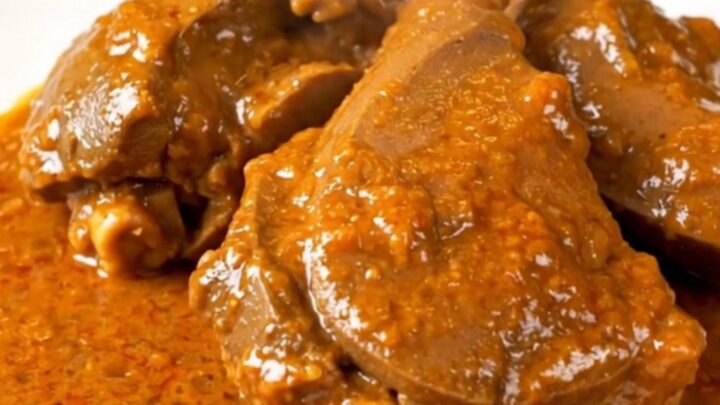
- Prep
- Cook
- Total
- Serves
- 4
Before you start
Ensure that the veal is cut into uniform, bite-sized cubes of approximately one inch. This uniformity is crucial for even cooking. Prepare the onion by slicing it into thin strips, which will melt down into the sauce during the long cooking time.
Have the measuring tools ready to ensure the ratios of water and cream are accurate, as these define the consistency of the final sauce. Verify that the slow cooker is placed on a heat-resistant surface away from any overhanging cabinets to allow for proper ventilation.
Ingredients at a glance (5)
- 1.5 lb veal cut into cubes
- 1 large onion, onion sliced
- 2 tbsp paprika
- 1/2 cup water
- 1/2 cup heavy cream
Instructions
Initial Assembly
- Prepare the slow cookerPlace the cubed veal into the base of the slow cooker, spreading it out into an even layer to ensure consistent heat distribution during the cooking process.Look for The meat should be arranged in a single layer at the bottom of the ceramic insert.Tip Ensure the veal is cut into uniform pieces so that every bite finishes cooking at the same time.
- Add aromatics and seasoningDistribute the sliced onions evenly over the veal, then generously scatter the paprika over the top of the onions and meat, ensuring even coverage for maximum flavor extraction.Look for The paprika should coat the onions and the surface of the meat.Tip Using fresh, high-quality paprika significantly enhances the depth of the final sauce.
At this phase, the slow cooker contains the raw veal, sliced onions, and the dry paprika. Everything should be arranged to ensure the meat is in direct contact with the base of the insert. Check that the paprika is distributed well so that it can begin to bloom as the temperature rises. The slow cooker is now ready to begin the long, low-temperature cooking process that will develop the flavors.
Slow Cooking
- Add liquid and cookPour the water into the slow cooker, then cover with the lid. Cook on the low setting for four hours until the meat is tender and reaches an internal temperature of 145°F (63°C). Let the meat rest for at least 3 minutes before serving.Look for The liquid will combine with the juices from the meat and onions to form a base.Safe temperature 145°F (63°C) internal temperature (steaks, chops and roasts)Tip Avoid lifting the lid during the first few hours of cooking to maintain the internal temperature.
During this phase, the kitchen will fill with the aroma of onions and paprika as the veal cooks. The meat should be completely submerged in the juices that have been released.
By the end of this stage, the veal should be visibly tender and the onions should have softened significantly. Check the meat with a fork to ensure it is tender enough to proceed to the final finishing step before adding the cream.
Finishing and Serving
- Finish with creamOnce the meat is tender, stir in the heavy cream and let it heat through for an additional ten minutes until the sauce thickens and becomes glossy. Let the meat rest for at least 3 minutes before serving.Look for The sauce should appear creamy, rich, and glossy.Safe temperature 145°F (63°C) internal temperature (steaks, chops and roasts)Tip Stir gently to avoid breaking apart the tender pieces of veal.
The sauce should now be smooth, glossy, and creamy after the addition of the heavy cream. The veal should be fully heated through and extremely tender. Before serving, verify the internal temperature of the meat one last time to ensure it has reached 145°F (63°C). The dish is ready when the sauce coats the back of a spoon and the entire meal is steaming hot and aromatic.
Common mistakes
A common error is cutting the veal pieces into uneven sizes, which results in some pieces being overcooked while others remain tough. Another mistake is failing to allow the meat to rest after cooking; letting it sit for at least three minutes is essential for the juices to redistribute, ensuring maximum tenderness.
Finally, adding the cream too early or at too high a heat can lead to a broken sauce. Always stir the cream in gently at the end of the cooking cycle to maintain the emulsion.
How to tell it’s done
The veal is done when it is fork-tender, meaning it yields easily when pressed with a fork or pulled apart. Use a digital meat thermometer to confirm the internal temperature reaches at least 145°F (63°C).
Because veal is a lean meat, avoid overcooking it, as this can cause it to become dry. The sauce should be thick enough to coat the back of a spoon and have a rich, glossy appearance, indicating the cream has successfully emulsified with the cooking liquids.
- Steaks, chops and roasts: 145°F (63°C) in the thickest part, then a 3-minute rest
Up next · Part 3 of 3
2 variations · storage & make-ahead · 3 answers · printable card
Tips, FAQ & printable recipe (Part 3)← Back to the ingredients (Part 1)