Dinner · Part 1 of 3: Ingredients
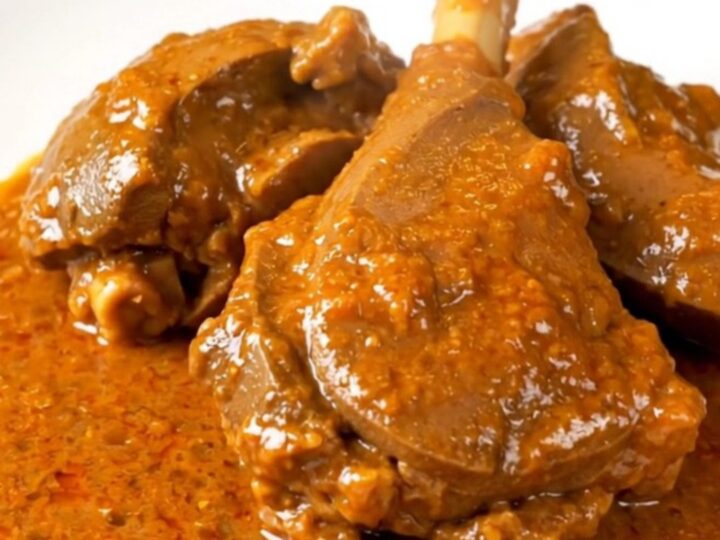
Slow Cooker Paprika Cream Veal
- Prep
- Cook
- Total
- Serves
- 4
Elevate your dinner routine with this incredibly tender slow cooker paprika veal. This recipe focuses on slow-rendering the meat to achieve a melt-in-your-mouth texture, paired with a luxurious, creamy sauce that brings warmth to every single bite.
It is the ideal solution for those who want a restaurant-quality result with minimal effort. By utilizing the slow cooker, the flavors of the paprika and onions infuse deep into the veal, creating a dish that is both complex and deeply satisfying for any evening.
The beauty of this slow cooker paprika cream veal lies in its simplicity and the depth of flavor achieved through slow, steady cooking. By combining lean veal with sliced onions and a generous amount of paprika, the foundation for a rich sauce is created.
As the meat cooks, it releases its own juices, which meld with the paprika and water to create a savory base. Adding a touch of heavy cream at the very end transforms the cooking liquid into a velvety, glossy sauce that coats the meat perfectly, making it an excellent choice for serving over noodles, mashed potatoes, or even crusty bread.
Ingredients
- 1.5 lb veal cut into cubes
- 1 large onion, onion sliced
- 2 tbsp paprika
- 1/2 cup water
- 1/2 cup heavy cream
Why this recipe works
The slow cooking method is essential for transforming tougher cuts of veal into tender, succulent morsels. By maintaining a low and consistent temperature over several hours, the collagen in the meat breaks down, resulting in a texture that is exceptionally soft and flavorful. This process allows the paprika to fully hydrate and release its earthy, slightly sweet notes into the surrounding liquid, ensuring that every bite is deeply seasoned.
Incorporating the heavy cream only at the final stage of the process is a deliberate technique to ensure the sauce remains smooth and velvety. Adding dairy too early in a long cooking cycle can sometimes lead to curdling or a separation of fats.
By waiting until the meat is fully tender, the cream integrates seamlessly, creating a stable, rich emulsion that thickens the sauce and adds a luxurious mouthfeel that complements the savory depth of the paprika and onions.
Notes and substitutions
When selecting veal for this recipe, look for pieces with good color and minimal gristle to ensure the most tender result. If veal is unavailable, this method works beautifully with other tender meats like pork shoulder or even chicken thighs, though cooking times may vary slightly.
The choice of paprika is also important; while sweet Hungarian paprika is traditional, you can use smoked paprika if you prefer a deeper, more robust flavor profile in the final sauce.
The slow cooker insert should be cleaned thoroughly before each use to ensure proper heat conduction. If you find the sauce is too thin after adding the cream, you can leave the lid off for the final ten minutes of cooking to allow some of the moisture to evaporate, which will naturally thicken the sauce. Always ensure the internal temperature of the meat reaches 145°F (63°C) before serving to ensure both safety and the optimal texture for the veal.
- veal: boneless pork shoulder or chicken thighs cut into similar sized pieces
- heavy cream: full-fat coconut milk or sour cream for a slightly different flavor profile
Equipment
- slow cooker
- measuring cups
- cutting board
- chef's knife
Up next · Part 2 of 3
4 steps · 4 h of cooking · what to look for at each stage
Step-by-step instructions (Part 2)