Dinner · Part 1 of 3: Ingredients
Slow-Cooker Old Bay Butter Snow Crab and Shrimp
- Prep
- Cook
- Total
- Serves
- 4
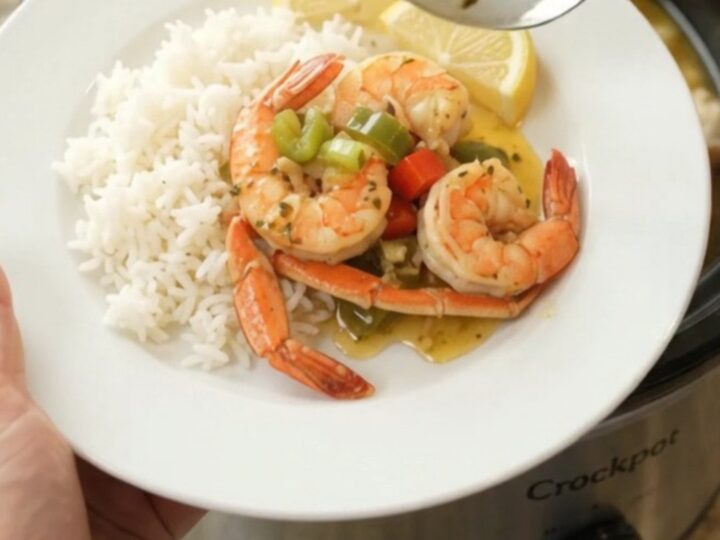
This slow-cooker seafood boil brings the coastal feast to your kitchen with minimal effort. Snow crab clusters and jumbo shrimp simmer in a garlicky butter bath seasoned with Old Bay, while bell peppers and onions add sweetness and crunch.
The slow cooker does all the work, leaving you with a tender, flavorful dinner that feels special but comes together in minutes. Serve over steamed rice with lemon wedges for a complete meal.
A seafood boil is the ultimate gathering dish, but it usually requires a huge pot and constant attention. This version simplifies everything by using a slow cooker. Just layer the seafood and vegetables, pour over the garlic butter and Old Bay, and let the machine work its magic.
The result is a fragrant, buttery dish that tastes like it simmered all day on the stove—because it did. Perfect for weeknights or weekend entertaining, this recipe is as easy as it is impressive.
Ingredients
- 2 lb snow crab clusters
- 2 lb raw jumbo shrimp, peeled and deveined
- 1 cup diced red and green bell peppers
- 1 cup sweet Vidalia onions, diced
- 1/2 cup celery, sliced into ribbons
- 1/2 cup melted garlic herb butter
- 2 tbsp Old Bay seasoning
for serving
- lemon wedges, for serving
- steamed jasmine rice, for serving
Why this recipe works
The slow cooker provides gentle, even heat that cooks the shrimp and crab without toughening them. Unlike boiling or sautéing, the low temperature keeps the seafood moist and tender.
The butter and seasonings meld together slowly, infusing every bite with rich flavor. The closed environment traps steam, which helps the vegetables soften while the seafood stays succulent.
Old Bay seasoning is a classic seafood blend that brings a punch of celery salt, paprika, and spices. When combined with garlic butter, it creates a sauce that clings to the crab and shrimp beautifully.
The vegetables—bell peppers, onions, and celery—provide a subtle sweetness that balances the salty, savory seasoning. This method is forgiving, so you can adjust the cook time to your schedule.
Notes and substitutions
Use sweet onions like Vidalia for the best flavor; they are milder and add a touch of sweetness. If you can't find Vidalia, a yellow onion works fine. Celery ribbons are simply thin slices of celery; they add a pleasant crunch and visual appeal. For the peppers, a mix of red and green gives a nice color contrast and a balance of sweet and slightly bitter notes.
Snow crab clusters are usually sold frozen and pre-cooked. Thaw them in the refrigerator overnight before using. If you use raw crab, increase the cook time by 30 minutes. Jumbo shrimp cook quickly, so keep an eye on them. You can substitute other shellfish like lobster tails or king crab legs, but adjust the cooking time accordingly.
- snow crab clusters: king crab legs or Dungeness crab clusters (adjust cooking time if using larger legs)
- jumbo shrimp: large shrimp or peeled crawfish tails (reduce cook time for smaller shrimp)
- Vidalia onions: yellow onions or sweet onions like Walla Walla
- garlic herb butter: melted unsalted butter mixed with 2 cloves minced garlic and 1 tsp dried parsley
Equipment
- 6-quart slow cooker
- slotted spoon
- cutting board
- chef's knife
- measuring cups and spoons
- small bowl for melted butter
Up next · Part 2 of 3
5 steps · 4 h of cooking · what to look for at each stage
Step-by-step instructions (Part 2)