Dinner · Part 3 of 3: Tips & recipe card
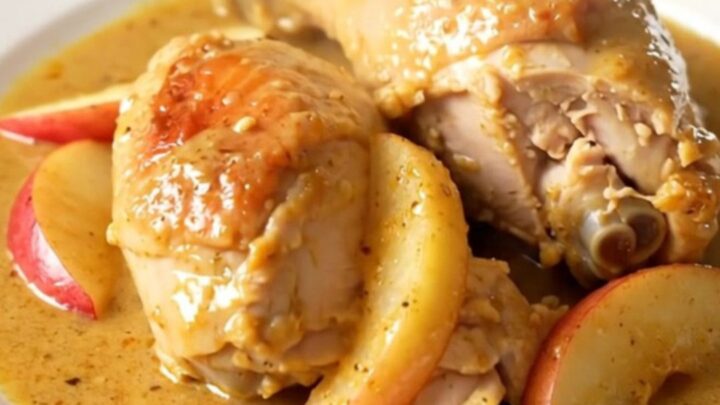
Slow Cooker Normandy Apple Chicken with Creamy Sauce Tips, FAQ & printable recipe
- Prep
- Cook
- Total
- Serves
- 4
Tips for success
For a deeper flavor profile, consider searing the chicken thighs in a pan over medium-high heat for two minutes per side before adding them to the slow cooker.
This step adds a golden-brown crust and a richer, more complex base to the final sauce, though it is entirely optional if you are short on time.
If you find the sauce is too thin after cooking, you can remove the chicken and apples, then whisk the remaining liquid in the slow cooker with a small amount of cornstarch slurry.
Heat on the high setting for ten minutes until it reaches your desired consistency, then return the chicken to the pot to coat it.
Variations
- Herb-Infused Normandy Chicken: Add a sprig of fresh thyme or rosemary to the slow cooker before starting. The woody herbs complement the apples and cream perfectly, adding an aromatic dimension to the finished dish.
- Savory Bacon Normandy Chicken: Incorporate two strips of chopped, pre-cooked bacon into the mix. The smoky saltiness of the bacon provides a wonderful contrast to the sweetness of the apples and the richness of the cream.
Storage and make-ahead
- Fridge
- Store in an airtight container for up to 3 days in the refrigerator.
- Freezer
- Freeze for up to 1 month; however, the cream sauce may separate slightly when thawed and reheated.
- Reheat
- Reheat gently in a saucepan over low heat until warmed through, stirring occasionally to maintain the creaminess of the sauce.
Transfer any leftover chicken and sauce into an airtight container. Allow the food to cool to room temperature for no more than two hours before placing it in the refrigerator. Proper storage in a sealed container will maintain the quality of the cream sauce and keep the chicken from drying out.
This dish is excellent for preparation in advance. You can assemble the ingredients in the slow cooker insert, cover it, and keep it in the refrigerator for up to twelve hours before cooking.
Simply remove it from the fridge thirty minutes before starting the slow cooker to avoid a significant temperature shock.
Serving ideas
Serve this dish hot, directly from the slow cooker, to ensure the sauce remains at its best consistency. It pairs beautifully with simple side dishes that can soak up the creamy apple sauce, such as mashed potatoes, steamed green beans, or a crusty piece of sourdough bread for dipping.
For a more complete presentation, garnish each plate with a sprinkle of fresh parsley or a few toasted walnuts to add a contrasting texture and a pop of color.
The combination of the savory chicken and the sweet, creamy sauce makes this a sophisticated choice for any dinner gathering or casual meal.
Frequently asked questions
Can this be made with chicken breasts instead of thighs?
Why is it important to let the chicken rest after cooking?
Is it necessary to peel the apples?
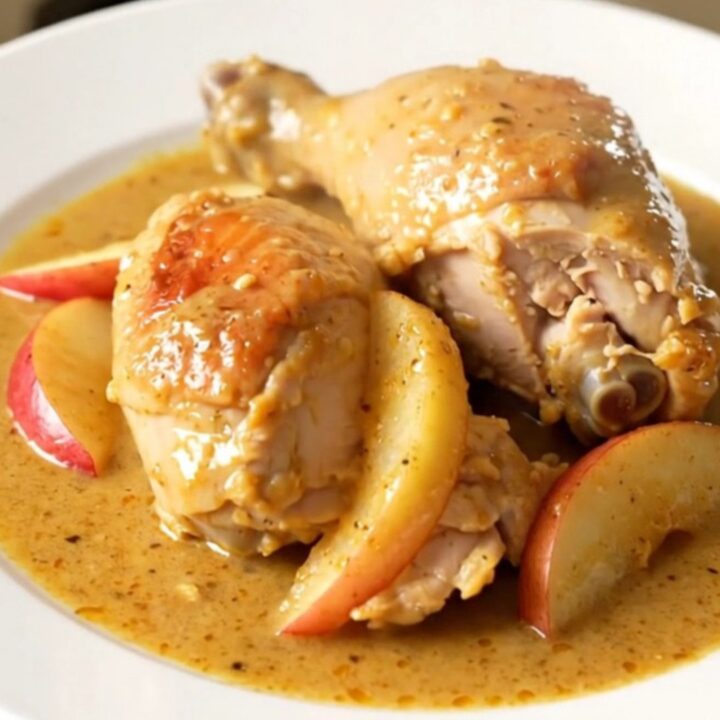
Slow Cooker Normandy Apple Chicken with Creamy Sauce
Ingredients
- 4 pieces chicken thighs, bone-in and skin-on
- 2 large apples, thinly sliced
- 1 large yellow onion, thinly sliced
- 1 cube chicken bouillon, crumbled
- 1 cup heavy cream
Instructions
- Place the raw chicken thighs at the bottom of the slow cooker. Scatter the sliced apples and onions evenly over the top of the chicken pieces.
- Crumble the chicken bouillon cube over the apple and onion mixture. Pour the heavy cream over the top to submerge the ingredients slightly.
- Cover the slow cooker and set to low heat for four hours. Once finished, ensure the chicken reaches an internal temperature of 165°F (74°C). Allow the chicken to rest for five minutes before serving.
Estimated nutrition per serving
- Calories
- 480
- Protein
- 28.5 g
- Carbohydrates
- 18.2 g
- Fat
- 32.4 g
- Fiber
- 2.5 g
- Sugar
- 14.1 g
- Sodium
- 650 mg
Next recipe
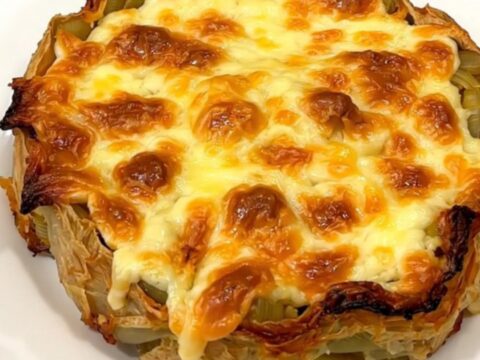
Slow Cooker Saint-Nectaire Tartiflette
See the recipe → →This recipe is based on a short cooking video and is published under the pen name Clara Weller. It was checked before publication, but errors can slip through. Nutrition, when shown, is an estimate. Read more in our editorial policy and on our food safety page.
More recipes to try
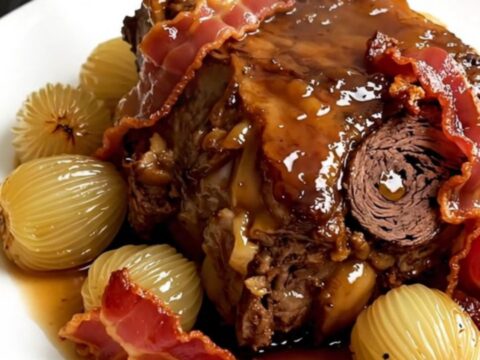
Slow Cooker Candied Lamb Shoulder with Pearl Onions and Bacon
Total time: 8 h 20 min
Slow Cooker Spiced Chicken Biryani for Easy Weeknight Dinners
Total time: 4 h 15 min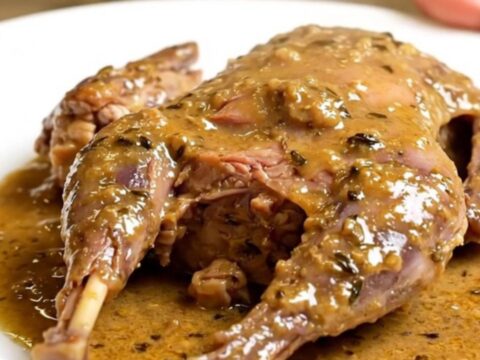
Slow Cooker Creamy Garlic and Thyme Rabbit
Total time: 4 h 15 min
Creamy Slow Cooker Tuna and Corn Pasta
Total time: 2 h 10 min
Slow Cooker Cabbage and Morteau Sausage Soup
Total time: 4 h 10 min