Dinner · Part 3 of 3: Tips & recipe card
Slow-Cooker Louisiana Seafood and Okra Gumbo Tips, FAQ & printable recipe
- Prep
- Cook
- Total
- Serves
- 6
Tips for success
For a more intense flavor, try browning your tasso ham in a pan for a few minutes before adding it to the slow cooker. This extra step helps to render some of the fat and intensifies the smokiness, which adds another layer of complexity to the final dish.
Always taste the gumbo before serving to adjust the seasoning, though the tasso ham and seafood stock usually provide plenty of salt.
If you prefer a thicker consistency, you can adjust the amount of file powder used as a thickener, but do so sparingly as it can become stringy if overused.
Always serve the gumbo over a generous mound of steamed white rice, as the rice helps to balance the richness of the stew and absorbs the flavorful liquid, making every bite a complete and satisfying experience.
Variations
- Chicken and Sausage Gumbo: Substitute the seafood with diced cooked chicken thighs and sliced andouille sausage. Maintain the same cooking time for the base, adding the chicken and sausage during the initial phase.
- Spicy Cajun Gumbo: Add a tablespoon of cayenne pepper or your favorite Cajun seasoning blend during the base assembly phase to increase the heat level and add more depth to the spice profile.
Storage and make-ahead
- Fridge
- Store in airtight containers for up to 3 days. Ensure it is cooled within 2 hours of cooking.
- Freezer
- Freeze in freezer-safe bags for up to 3 months. Thaw in the refrigerator overnight before reheating.
- Reheat
- Reheat on the stovetop over medium-low heat, stirring occasionally until the gumbo reaches an internal temperature of 165°F (74°C).
Allow any leftovers to cool to room temperature for no more than two hours before transferring them to airtight containers. Store the gumbo and the rice in separate containers to keep the rice from becoming mushy and absorbing too much liquid from the stew. Properly stored, the gumbo will remain safe and flavorful in the refrigerator for up to three days.
This dish is an excellent candidate for making ahead, as the flavors often improve after sitting in the refrigerator overnight. Prepare the base and cook it entirely, then cool and refrigerate it.
When you are ready to serve, reheat the gumbo gently on the stovetop and add the seafood during the final thirty minutes of heating, or simply reheat the fully cooked gumbo until piping hot throughout.
Serving ideas
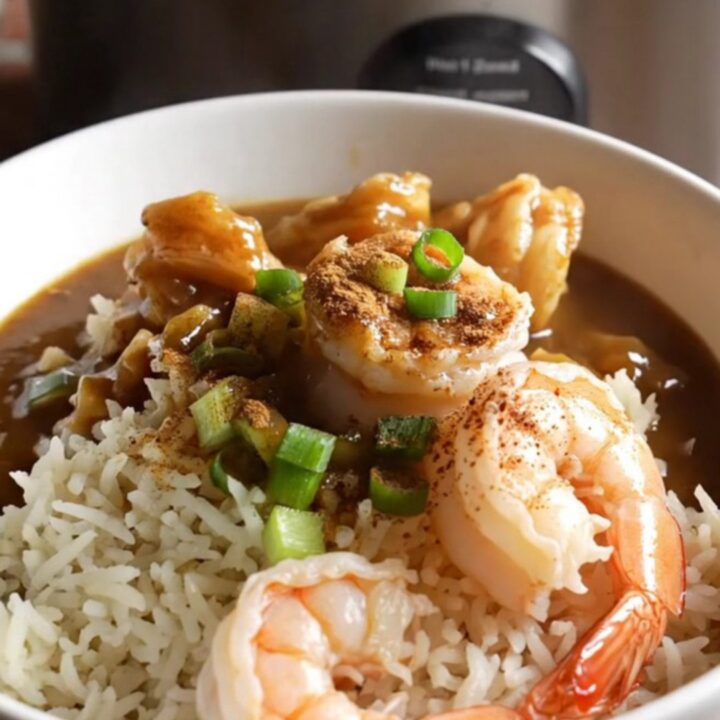
Serve the gumbo in deep, wide bowls to ensure you get a good ratio of rice to stew in every spoonful. A mound of steamed white rice in the center of the bowl provides a neutral base that complements the intensity of the gumbo. Ladle the hot gumbo around the rice, allowing it to pool and soak into the grains for the best texture and flavor combination.
Top each serving with a sprinkle of fresh sliced scallions and a dusting of file powder just before it hits the table.
Providing a bottle of hot sauce on the side allows guests to customize the heat level to their preference, which is a traditional way to enjoy gumbo. The brightness of the fresh scallions and the earthiness of the file powder are essential finishing touches.
Frequently asked questions
Can this gumbo be made without a slow cooker?
Why is file powder used in this recipe?
Is it possible to freeze the leftover gumbo?
Slow-Cooker Louisiana Seafood and Okra Gumbo
Ingredients
- 1 cup dark roux
- 1 cup diced onion
- 1 cup diced celery
- 1 cup diced bell pepper
- 2 cups sliced okra
- 8 oz smoky tasso ham, diced
- 4 cups seafood stock
- 1 lb blackened catfish fillets, cut into chunks
- 1 lb jumbo gulf shrimp, peeled and deveined
- 3 cups steamed white rice
- 1 tsp file powder
- 1/4 cup sliced scallions
Instructions
- Add the dark roux, diced onion, diced celery, diced bell pepper, sliced okra, smoky tasso ham, and seafood stock into the slow cooker ceramic insert. Stir everything together until the roux is thoroughly incorporated into the stock to create a smooth, flavorful base for the gumbo.
- Cover the slow cooker and cook on the low setting for six hours. Allow the flavors of the holy trinity, tasso ham, and seafood stock to meld together into a deep, savory foundation. The slow cooking process ensures the vegetables soften perfectly and the smoky flavor of the ham permeates the liquid base.
- Fold in the chunks of blackened catfish and jumbo gulf shrimp. Continue to cook on low for an additional thirty minutes until the fish is opaque and flakes easily and the shrimp are cooked through to 145°F (63°C). Ladle the gumbo over steamed white rice, then sprinkle with file powder and fresh scallions before serving.
Estimated nutrition per serving
- Calories
- 420
- Protein
- 32.5 g
- Carbohydrates
- 28 g
- Fat
- 18 g
- Fiber
- 3.5 g
- Sugar
- 2 g
- Sodium
- 950 mg
Next recipe
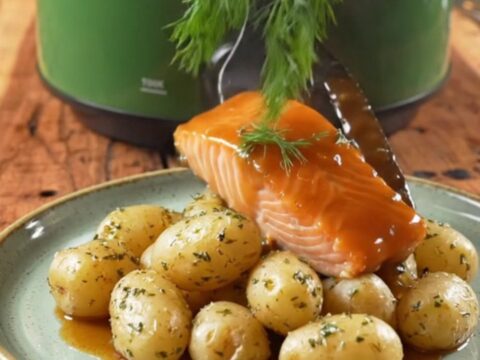
Bourbon Brown Sugar Salmon and Potatoes in One Crockpot
See the recipe → →This recipe is based on a short cooking video and is published under the pen name Clara Weller. It was checked before publication, but errors can slip through. Nutrition, when shown, is an estimate. Read more in our editorial policy and on our food safety page.
More recipes to try
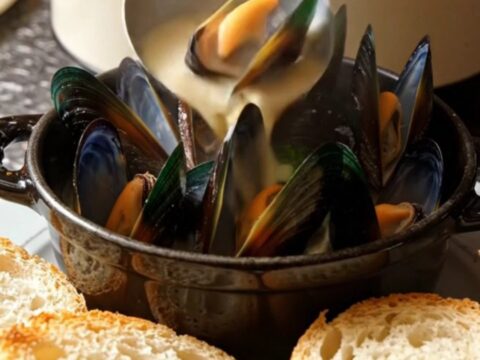
Crockpot White Wine Garlic Mussels with Creamy Fennel Broth
Total time: 1 h 45 min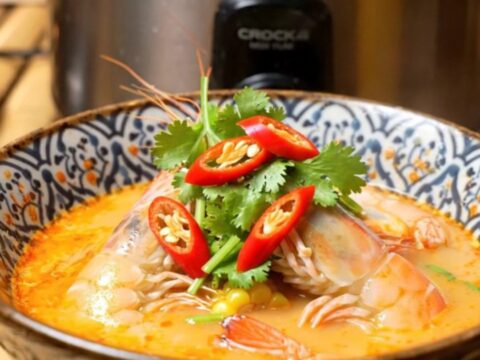
Spicy Thai Tom Yum Seafood Boil for a Quick Dinner
Total time: 2 h 10 min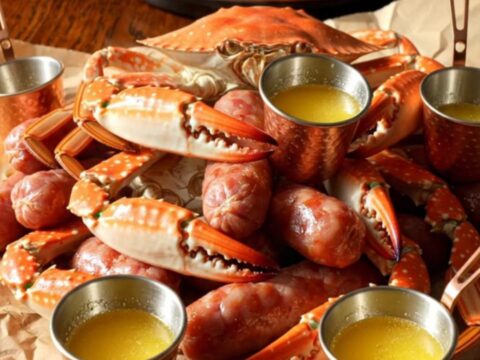
Crockpot Maryland Blue Crab and Beer Boil
Total time: 2 h 40 min
Creamy New England Clam Chowder in a Bread Bowl
Total time: 5 h 15 min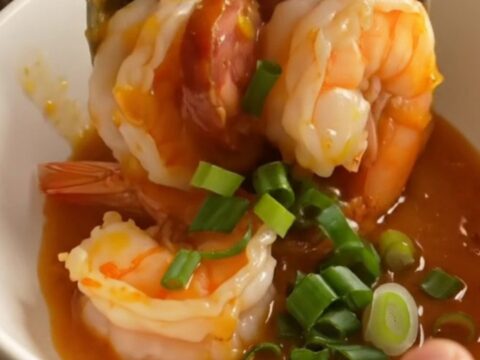
Honey-Hot Cajun Crockpot Shrimp Boil
Total time: 2 h 15 min