Dinner · Part 3 of 3: Tips & recipe card
Slow Cooker Lamb Shanks with Dried Apricots Tips, FAQ & printable recipe
- Prep
- Cook
- Total
- Serves
- 2
Tips for success
For a deeper flavor profile, consider searing the lamb shanks in a separate pan over high heat until browned before placing them in the slow cooker. While not strictly necessary, this step adds a layer of complexity and color to the final dish. If you choose to do this, ensure the pan is hot and the oil is shimmering to get a good crust on the meat without overcooking the center.
The sauce left behind in the slow cooker is packed with flavor from the lamb juices, cinnamon, and apricot sugars. If you prefer a thicker consistency, strain the liquid into a small saucepan and simmer it over medium heat for a few minutes until it reduces to your liking. This concentrated glaze can then be drizzled over the lamb shanks right before serving for an extra touch of professional presentation.
Variations
- Spiced Lamb Shanks: Add a pinch of ground ginger and cumin along with the cinnamon to give the dish a more robust, Moroccan-inspired flavor profile that pairs perfectly with the sweetness of the apricots.
- Savory Herb Lamb: Incorporate a sprig of fresh rosemary or thyme during the cooking process to add an earthy, herbal note that complements the richness of the lamb shanks.
Storage and make-ahead
- Fridge
- Keep in an airtight container for up to 3 days.
- Freezer
- Freeze in a freezer-safe container for up to 2 months.
- Reheat
- Thaw in the refrigerator overnight and reheat on the stove over low heat until hot throughout.
Store any leftovers in an airtight container in the refrigerator to maintain freshness. Ensure the meat is cooled to room temperature for no more than two hours before placing it in the fridge to prevent bacterial growth.
Properly stored, the lamb will remain high quality for up to three days. When reheating, be sure to bring the meat and sauce to a steady simmer to ensure it is heated through evenly without drying out the lamb.
This dish is an excellent candidate for making ahead, as the flavors often meld and improve after sitting in the refrigerator overnight. You can prepare the entire recipe a day in advance, allow it to cool completely, and then store it in the fridge.
Reheat the lamb gently on the stovetop or in the oven at a low temperature when you are ready to serve, adding a splash of water if the sauce has thickened too much during storage.
Serving ideas
Serve the lamb shanks hot, ideally placed on a bed of fluffy couscous or creamy mashed potatoes to soak up the flavorful braising liquid. The combination of the tender meat and the sweet, aromatic sauce pairs beautifully with simple steamed vegetables like green beans or roasted carrots.
Garnish the plate with a sprinkle of fresh herbs if desired, though the dish is flavorful enough to stand on its own without elaborate additions.
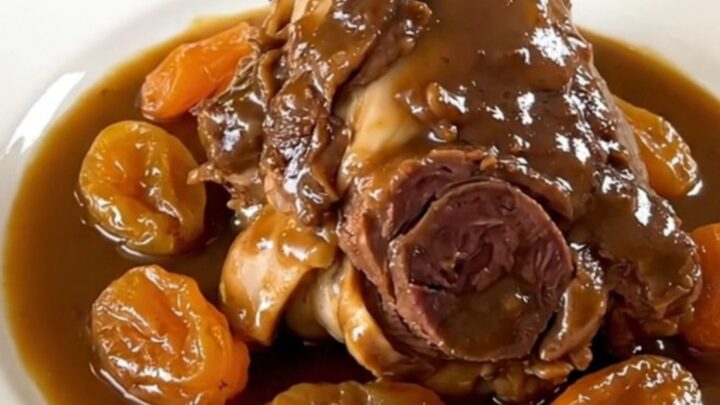
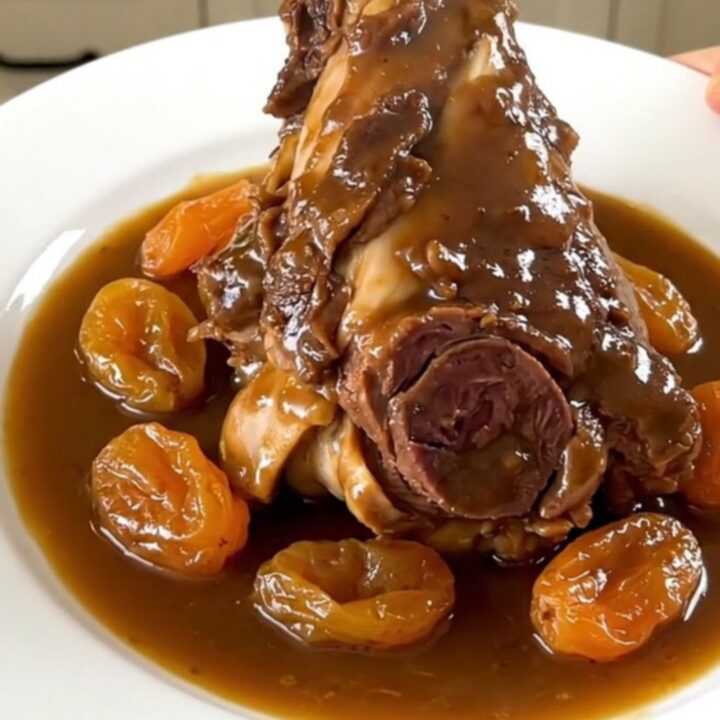
When plating, carefully transfer one lamb shank to each plate, ensuring a generous portion of the softened apricots and onions is spooned over the top. The glossy sauce should be drizzled around the meat, highlighting the vibrant colors of the dried fruit.
Serve immediately while the meat is still piping hot to ensure the best texture and to prevent the sauce from cooling and becoming too thick before it reaches the table.
Frequently asked questions
Can the lamb shanks be cooked on high instead of low?
Is it necessary to brown the lamb before slow cooking?
What happens if the sauce is too thin at the end?
Slow Cooker Lamb Shanks with Dried Apricots
Ingredients
- 2 lamb shanks, trimmed of excess fat
- 1 medium red onion, thinly sliced
- 1/2 cup dried apricots
- 1/2 tsp ground cinnamon
- 1 cup warm water
Instructions
- Place the raw lamb shanks into the bottom of the slow cooker. Evenly distribute the sliced red onions and the dried apricots over the meat. Ensure the ingredients are arranged in a single layer to promote even heat distribution during the cooking process.
- Sprinkle the ground cinnamon evenly over the ingredients. Pour the warm water carefully into the slow cooker, ensuring it covers the base without displacing the onions and apricots too much. Cover the slow cooker with the lid to trap the heat and moisture inside.
- Cook on low heat for six hours until the meat is fork-tender and pulls away from the bone. Once cooked, ensure the internal temperature reaches at least 145°F (63°C). Remove the lamb carefully from the pot and let it rest for five minutes before serving with the softened apricots and onions.
Estimated nutrition per serving
- Calories
- 580
- Protein
- 42 g
- Carbohydrates
- 28 g
- Fat
- 32 g
- Fiber
- 4 g
- Sugar
- 22 g
- Sodium
- 180 mg
Next recipe
Slow Cooker Pork Roast with White Wine and Bay Leaves
See the recipe → →This recipe is based on a short cooking video and is published under the pen name Clara Weller. It was checked before publication, but errors can slip through. Nutrition, when shown, is an estimate. Read more in our editorial policy and on our food safety page.
More recipes to try
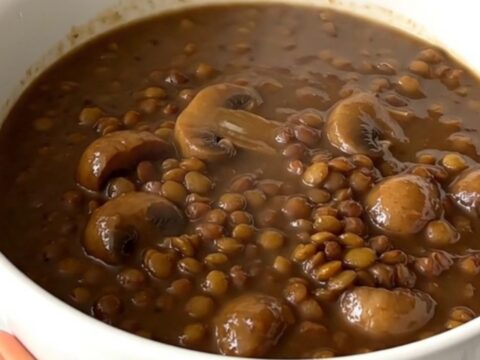
Slow Cooker Green Lentil and Mushroom Stew
Total time: 4 h 10 min
Slow Cooker Lemon Salmon Tagliatelle
Total time: 2 h 10 min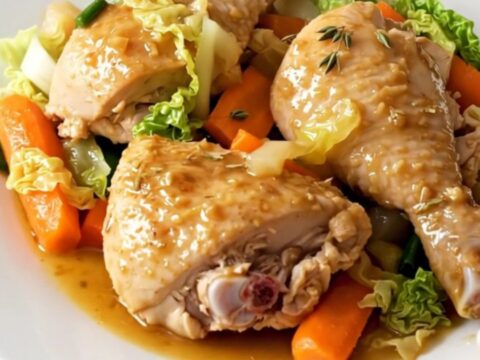
Slow Cooker Chicken with Savoy Cabbage and Carrots
Total time: 4 h 15 min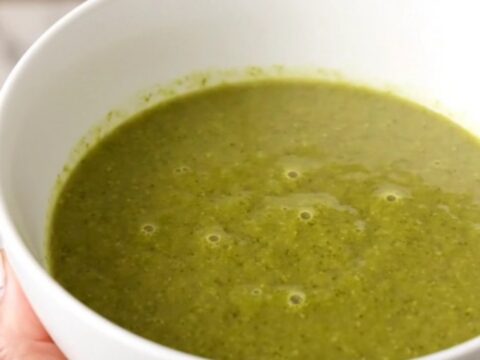
Creamy Broccoli and Roquefort Slow Cooker Soup
Total time: 4 h 10 min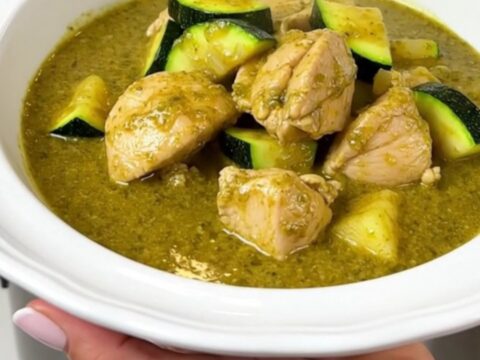
Easy Slow Cooker Green Chicken Curry with Zucchini
Total time: 4 h 15 min