Dinner · Part 2 of 3: Instructions
Slow Cooker Korean Beef Bulgogi for an Easy Weeknight Dinner Step-by-step instructions
- Prep
- Cook
- Total
- Serves
- 4
Before you start
Before beginning, ensure the beef is sliced into thin, uniform strips. If the beef is too thick, it will not tenderize properly in the slow cooker. Have all ingredients measured out and ready to go.
Verify that the slow cooker is clean and positioned on a stable, heat-resistant surface away from any water or kitchen hazards.
Having everything prepped before starting ensures that the assembly phase is quick and efficient, allowing for a seamless transition into the cooking stage.
Ingredients at a glance (5)
- 1 lb beef chuck roast, thinly sliced
- 1 medium yellow onion, sliced
- 1 tbsp minced garlic
- 1/3 cup brown sugar
- 3/4 cup soy sauce
Instructions
Assembly and Preparation
- Prepare the slow cookerPlace the thinly sliced beef chuck roast into the bottom of the slow cooker, spreading it out evenly to ensure consistent cooking. Add the sliced onions on top of the beef. Adding the meat first allows it to braise directly in the flavorful juices as the onions soften.Look for The beef should be distributed evenly across the bottom surface to ensure even heat penetration during the long cooking process.Tip Ensure the beef slices are cut against the grain to guarantee maximum tenderness once the slow cooking is complete.
The beef and onions should be neatly layered in the slow cooker, creating a solid base for the liquid ingredients. Ensure the meat is not bunched up too tightly, which allows the sauce to surround every piece properly for uniform flavor distribution.
Sauce Integration
- Add sauce componentsIn a glass measuring cup, combine the soy sauce and brown sugar, stirring until the sugar is dissolved. Add the minced garlic to the slow cooker, then pour the soy sauce mixture over the beef and onions. Ensure the liquid covers the ingredients sufficiently to allow for proper braising and flavor infusion.Look for The liquid should partially submerge the beef and onion mixture, allowing the sauce to penetrate the meat fibers during the slow cooking cycle.Tip Whisk the soy sauce and sugar thoroughly in the measuring cup before pouring to ensure the sugar does not clump at the bottom.
The soy sauce, brown sugar, and garlic mixture should be poured evenly over the beef and onions. The liquid should look well-combined and ready to penetrate the meat, setting the stage for the slow braising process to begin.
Slow Cooking and Resting
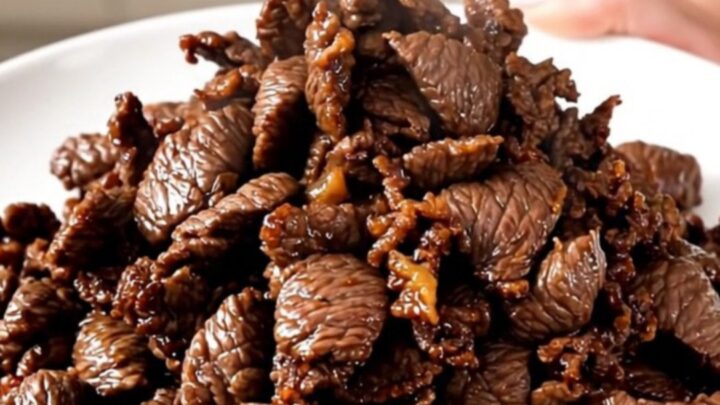
- Slow cook and finishCover the slow cooker and cook on low for 4 hours. Once cooked, ensure the beef has reached an internal temperature of 145°F (63°C). Turn off the heat and let the beef rest for at least 3 minutes before serving to ensure the meat fibers retain moisture and tenderness.Look for The beef should appear dark, glossy, and tender, with the onions fully softened and translucent, indicating the sauce has reduced and concentrated.Safe temperature 145°F (63°C) internal temperature (steaks, chops and roasts)Tip Check the internal temperature with a meat thermometer to ensure safety and perfect texture before serving the finished bulgogi.
At the end of the cycle, the beef should be dark, glossy, and very tender. The aroma should be savory and sweet, and the meat should reach an internal temperature of 145°F (63°C) before allowing it to rest briefly.
Common mistakes
A common mistake is slicing the beef too thickly, which prevents it from becoming tender during the relatively short slow-cook cycle. Another error is failing to ensure the sugar is fully dissolved in the soy sauce before adding it, which can cause uneven sweetness.
Finally, avoid lifting the lid frequently during the cooking process, as this releases heat and steam, which are necessary to properly braise the meat and achieve the desired tender texture and flavor profile.
How to tell it’s done
The bulgogi is considered done when the beef is thoroughly tender and has reached an internal temperature of at least 145°F (63°C). The sauce should be glossy and slightly thickened, coating the meat and onions evenly.
The onions should be soft and translucent, having absorbed the savory soy and sugar flavors. Use a meat thermometer to verify the temperature in the thickest part of the meat to ensure it is cooked safely and properly.
- Steaks, chops and roasts: 145°F (63°C) in the thickest part, then a 3-minute rest
Up next · Part 3 of 3
2 variations · storage & make-ahead · 3 answers · printable card
Tips, FAQ & printable recipe (Part 3)← Back to the ingredients (Part 1)