Dinner · Part 1 of 3: Ingredients
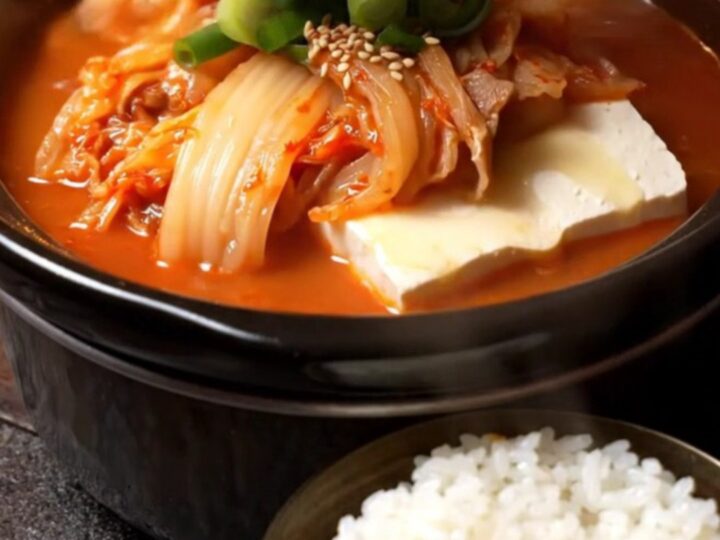
Slow-Cooker Kimchi Jjigae with Tender Pork Belly
- Prep
- Cook
- Total
- Serves
- 4
Discover the art of slow-cooked Korean comfort food with this simple, high-impact kimchi jjigae recipe. By utilizing the slow cooker, you unlock deep, nuanced flavors that usually require hours of constant attention, making it the perfect solution for a busy schedule while delivering a restaurant-quality dining experience at home.
Kimchi jjigae is a cornerstone of Korean home cooking, celebrated for its bold balance of spicy, savory, and tangy notes. This version simplifies the traditional process by layering key ingredients into a slow cooker, allowing the pork belly to render into a melt-in-your-mouth texture while the kimchi infuses the broth with its signature fermented depth.
Whether you are seeking a hearty dinner or a reliable way to utilize aged kimchi, this recipe provides consistent, delicious results with minimal active preparation time.
Ingredients
Stew Ingredients
- 1.5 lb thick-sliced pork belly
- 2 cups aged napa cabbage kimchi with juice
- 1 onion, sliced
- 5 garlic cloves
- 2 tbsp gochujang
- 2 tbsp gochugaru
- 3.5 cups anchovy or beef broth
Finishing Ingredients
- 14 oz silken tofu, sliced
- 1 tbsp toasted sesame oil
Garnish
- sliced scallions, for serving
- sesame seeds, for serving
Serving
- steamed short-grain rice, for serving
Why this recipe works
The slow-cooking method is essential for transforming tough cuts like pork belly into tender, succulent pieces that practically dissolve on the tongue. As the stew simmers on low heat over several hours, the collagen in the pork breaks down, enriching the broth with a velvety mouthfeel that is impossible to achieve through rapid boiling.
This gradual process also allows the pungent, fermented qualities of the kimchi to mellow and meld perfectly with the savory broth, creating a cohesive flavor profile that is both complex and deeply satisfying.
Layering the ingredients is a deliberate technique that ensures optimal flavor distribution without the need for excessive stirring or monitoring. By starting with the meat at the base and topping it with the aromatics and liquids, the juices from the kimchi and the rendered pork fat slowly permeate the entire dish as it cooks.
This passive infusion method guarantees that every spoonful of the stew is packed with the intense, spicy essence of gochujang and the umami-rich base, resulting in a balanced dish where no single ingredient overpowers the others.
Notes and substitutions
Choosing the right kimchi is the most critical factor for success; ensure you use well-aged, fermented napa cabbage kimchi, as it provides the necessary acidity and depth that fresh kimchi lacks. The juice from the jar is a vital ingredient, acting as a natural seasoning agent that ties the stew together. If you find your kimchi is not sufficiently sour, you can add a small splash of rice vinegar to balance the flavor, though high-quality fermented kimchi should provide the perfect amount of tanginess on its own.
For the best results, use a high-quality anchovy or beef broth as the foundation. Anchovy broth contributes a subtle, briny complexity that is traditional for this dish, while beef broth offers a heartier, more robust profile.
Regardless of your choice, ensure the broth is unsalted or low-sodium, as the kimchi and gochujang already contain a significant amount of salt. When selecting silken tofu, look for a variety that is specifically labeled as extra-soft to ensure it maintains the delicate, cloud-like texture characteristic of a authentic kimchi jjigae.
- anchovy or beef broth: vegetable broth or water with a dash of soy sauce
- thick-sliced pork belly: pork shoulder or pork butt cut into 1-inch cubes
Equipment
- slow cooker
- ladle
- chef knife
- cutting board
- stone bowl
Up next · Part 2 of 3
3 steps · 5 h of cooking · what to look for at each stage
Step-by-step instructions (Part 2)