Dinner · Part 3 of 3: Tips & recipe card
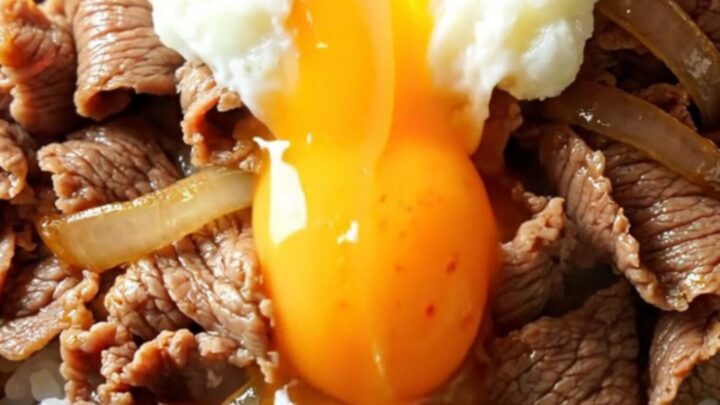
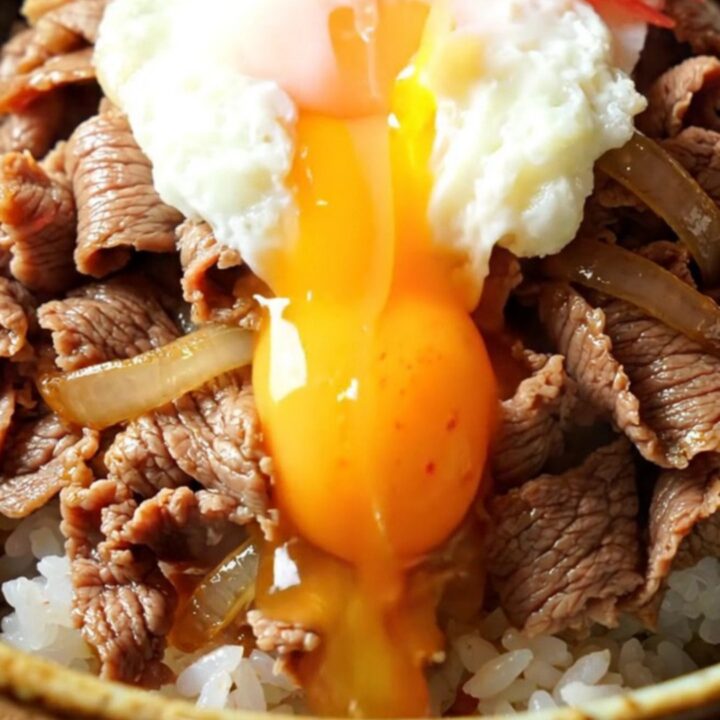
Slow-Cooker Japanese Gyudon Beef and Onion Bowls Tips, FAQ & printable recipe
- Prep
- Cook
- Total
- Serves
- 4
Tips for success
For a deeper flavor, you can sauté the onions in a pan with a little oil before adding them to the slow cooker, though this is optional. Adding a splash of extra mirin at the very end of the cooking process can provide a final touch of brightness and a beautiful sheen to the beef and onion mixture right before you serve it over the rice.
If you prefer a thicker sauce, you can remove the beef and onions with a slotted spoon once cooked and whisk in a small amount of cornstarch slurry into the remaining liquid in the slow cooker.
Set it to high for ten minutes to thicken the broth into a more glaze-like consistency before pouring it back over the beef. This creates a more intense, restaurant-style coating that clings perfectly to the rice.
Variations
- Spicy Gyudon: Add one tablespoon of chili garlic sauce or a pinch of shichimi togarashi to the broth mixture before slow cooking to introduce a pleasant, creeping heat that complements the savory umami flavors.
- Mushroom Gyudon: Incorporate two cups of sliced shiitake or enoki mushrooms into the layers. The mushrooms will absorb the dashi broth and add an earthy texture that pairs wonderfully with the tender beef ribbons.
Storage and make-ahead
- Fridge
- Store in an airtight container for up to 3 days.
- Freezer
- Freeze the beef mixture in a freezer-safe bag for up to 1 month; thaw overnight in the fridge.
- Reheat
- Reheat gently in a saucepan over low heat or in the microwave until steaming hot.
Store any leftovers in an airtight container in the refrigerator for up to three days. Keep the rice and the beef mixture in separate containers to prevent the rice from becoming soggy.
When reheating, ensure the beef is warmed through gently on the stovetop or in the microwave, adding a tiny splash of water if the sauce has thickened too much while in the refrigerator.
This dish is perfect for making ahead as the flavors continue to develop after a day in the refrigerator. You can prepare the entire beef and onion mixture in the slow cooker, let it cool completely, and then store it for later in the week. Simply reheat the beef mixture when you are ready to assemble the bowls with freshly cooked rice and new onsen eggs.
Serving ideas
Serve the Gyudon in deep ceramic bowls to capture the juices and allow the rice to absorb the flavorful broth. Provide each guest with a pair of chopsticks and a Japanese-style soup spoon to make it easier to enjoy the mixture of beef, onions, and rice.
The warmth of the bowl is part of the experience, so ensure the rice is piping hot when you ladle the beef over it.
Accompany these bowls with simple side dishes to round out the meal. A refreshing cucumber sunomono salad or a small bowl of miso soup complements the savory beef perfectly.
The pickled ginger acts as a palate cleanser, so encourage guests to enjoy a bit of it with every few bites of beef and rice to keep the flavors feeling light and balanced throughout the entire meal.
Frequently asked questions
Can this be made ahead of time?
What is the best way to reheat the leftovers?
Why is the beef tough after three hours?
Slow-Cooker Japanese Gyudon Beef and Onion Bowls
Ingredients
- 3 large yellow onions, sliced
- 2 lb shaved ribeye beef
- 1 cup dashi stock
- 1/2 cup soy sauce
- 1/2 cup mirin
- 1/4 cup sake
- 2 tbsp sugar
- 1 tbsp grated ginger
- cooked sushi rice, for serving
- 4 onsen eggs, for serving
- red pickled ginger, for serving
Instructions
- Place the sliced yellow onions at the bottom of the slow cooker insert to create a base. Arrange the shaved ribeye beef evenly over the top of the onions. In a small bowl, whisk together the dashi stock, soy sauce, mirin, sake, sugar, and grated ginger. Pour this savory liquid mixture directly over the beef and onions in the slow cooker.
- Cover the slow cooker with its lid and set to cook on LOW heat for three hours. Allow the mixture to simmer undisturbed, which allows the onions to become soft and translucent while the ribeye absorbs the deep, umami-rich flavors of the dashi-mirin broth. Ensure the beef reaches an internal temperature of at least 145°F (63°C), then let the meat rest at least 3 minutes before serving.
- Prepare four bowls by filling each with a portion of hot cooked sushi rice. Drain the excess liquid from the beef mixture slightly and pile the tender beef and onions over the rice. Top each bowl with a soft onsen egg and a garnish of red pickled ginger. Serve immediately while hot and encourage guests to break the egg yolk into the beef.
Estimated nutrition per serving
- Calories
- 480
- Protein
- 32.5 g
- Carbohydrates
- 35 g
- Fat
- 22 g
- Fiber
- 2.5 g
- Sugar
- 12 g
- Sodium
- 950 mg
Next recipe

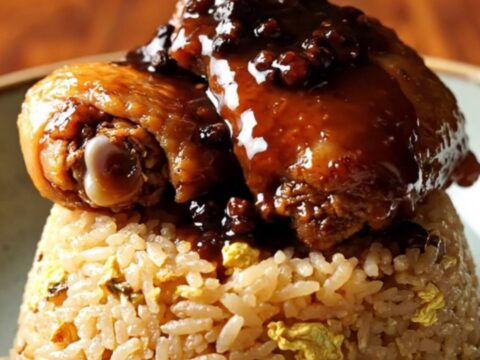
Slow-Cooker Sticky Bourbon Chicken for Easy Dinners
See the recipe → →This recipe is based on a short cooking video and is published under the pen name Clara Weller. It was checked before publication, but errors can slip through. Nutrition, when shown, is an estimate. Read more in our editorial policy and on our food safety page.
More recipes to try
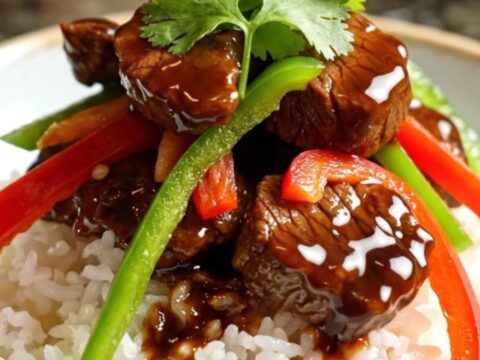
Slow-Cooker Black Pepper Steak with Bell Peppers
Total time: 4 h 50 min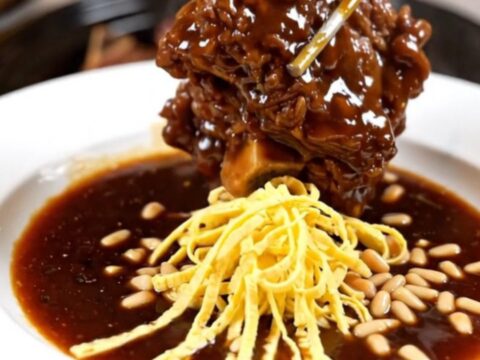
Crockpot Korean Galbi-Jjim Short Ribs: Fall-Off-the-Bone
Total time: 7 h 20 min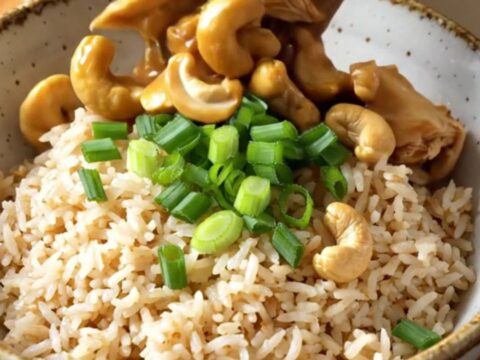
Slow-Cooker Cashew Chicken with Savory Garlic Sauce
Total time: 3 h 15 min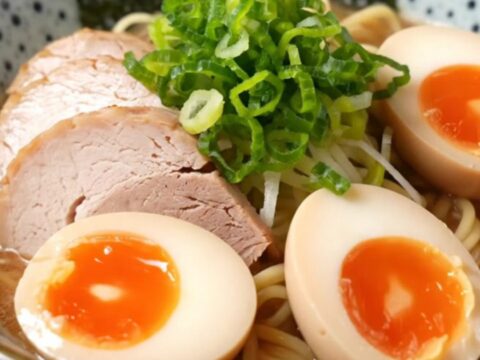
Slow-Cooker Japanese Chashu Pork Belly for Tender Ramen Toppings
Total time: 6 h 25 min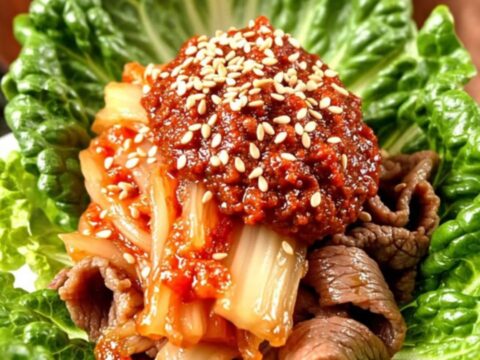
Tender Slow-Cooker Korean Bulgogi Beef Wraps
Total time: 3 h 50 min