Dinner · Part 3 of 3: Tips & recipe card
Slow Cooker Honey Walnut Roasted Butternut Squash Tips, FAQ & printable recipe
- Prep
- Cook
- Total
- Serves
- 4
Tips for success
For an extra layer of flavor, consider adding a pinch of sea salt before serving to balance the sweetness of the honey. This simple addition can make the natural flavors of the squash pop and provides a nice contrast to the aromatic cinnamon.
If you are serving this for a holiday meal, you can transfer the finished squash to a decorative serving dish and garnish with a few fresh herbs like thyme or sage. These fresh aromatics add a pop of color and a bright, earthy contrast to the rich, honey-glazed squash.
Variations
- Savory Herb Squash: Replace the honey and cinnamon with two tablespoons of melted butter, a teaspoon of dried rosemary, and a pinch of black pepper for a savory, herb-forward version of this dish.
- Spicy Maple Squash: Use maple syrup instead of honey and add a quarter teaspoon of red pepper flakes for a subtle, spicy kick that complements the natural sweetness of the roasted butternut squash.
Storage and make-ahead
- Fridge
- Store in an airtight container in the refrigerator for up to 3 days.
- Freezer
- Freezing is not recommended as the texture of the squash will become mushy upon thawing.
- Reheat
- Reheat in a microwave-safe dish on medium power until warmed through, or gently in a skillet over low heat.
Allow the leftover squash to cool completely at room temperature for no more than two hours before transferring it to an airtight container. Place the container in the refrigerator immediately to ensure food safety.
Properly stored, the squash will maintain its quality for up to three days. When reheating, it is best to use a skillet over low heat or the microwave, adding a splash of water if the glaze has become too thick or sticky.
This dish is excellent for making ahead of time, as the flavors often intensify after sitting for a few hours. You can prepare the squash and assemble the ingredients in the slow cooker insert, then store it in the refrigerator overnight.
When ready to cook, simply set the insert into the base and start the cooking process. This is a convenient strategy for busy days or when planning a larger meal, as it saves significant prep time during the main event.
Serving ideas
This dish pairs exceptionally well with roasted meats, such as pork loin or roast chicken, where the sweetness of the squash balances the savory notes of the main course.
It also works beautifully as a standalone vegetarian side dish when served alongside a crisp green salad or some crusty bread to soak up the remaining honey glaze.
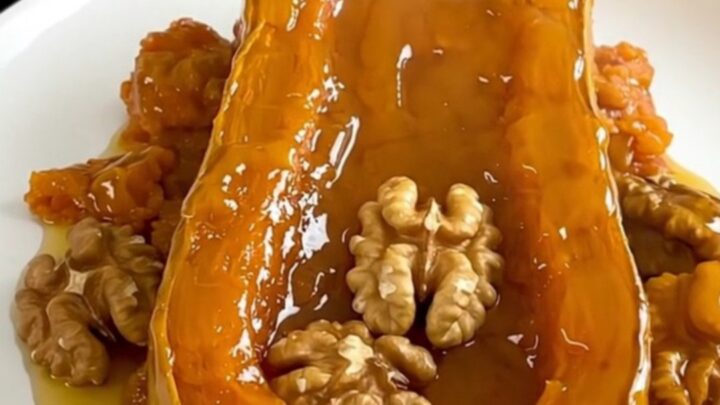
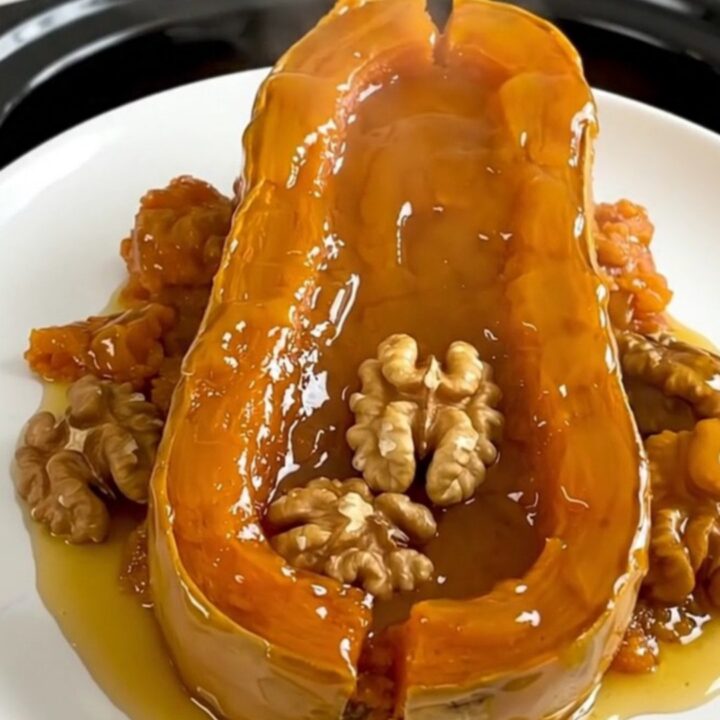
Consider serving the squash in a wide, shallow bowl to showcase the glossy glaze and the walnuts.
Providing a serving spoon that allows guests to easily scoop up the syrupy sauce from the bottom of the dish ensures that everyone gets a perfect balance of squash and honey-coated nuts in every portion.
Frequently asked questions
Can this be made in a traditional oven instead of a slow cooker?
Why does the squash become mushy when cooking?
Is it possible to use frozen butternut squash?
Slow Cooker Honey Walnut Roasted Butternut Squash
Ingredients
- 2 lbs butternut squash, peeled and cubed
- 1/2 cup walnut halves
- 1 tsp ground cinnamon
- 3 tbsp honey
Instructions
- Place the cubed butternut squash into the bottom of the slow cooker insert. Ensure the cubes are distributed evenly to allow for uniform cooking throughout the process.
- Scatter the walnut halves over the squash cubes. Sprinkle the ground cinnamon evenly over the mixture, then drizzle the honey over the top to coat the ingredients effectively.
- Cover the slow cooker and cook on low for 4 hours until the squash is fork-tender and the honey has created a glossy glaze. Serve immediately on a warm plate.
Estimated nutrition per serving
- Calories
- 185
- Protein
- 2.5 g
- Carbohydrates
- 32 g
- Fat
- 6.5 g
- Fiber
- 4.5 g
- Sugar
- 18 g
- Sodium
- 15 mg
Next recipe

Easy Slow Cooker Peanut Butter Coconut Chicken Satay
See the recipe → →This recipe is based on a short cooking video and is published under the pen name Clara Weller. It was checked before publication, but errors can slip through. Nutrition, when shown, is an estimate. Read more in our editorial policy and on our food safety page.
More recipes to try
Hearty Alsatian Slow Cooker Sausage and Vegetable Stew
Total time: 4 h 20 min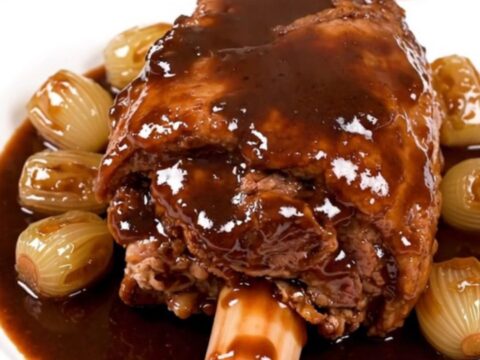
Slow Cooker Red Wine Pork Shank with Glazed Pearl Onions
Total time: 8 h 15 min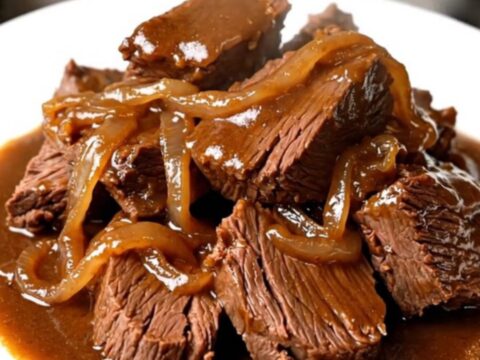
Slow Cooker Amber Beer Braised Beef for Tender Results
Total time: 8 h 15 min
Slow Cooker Red Kuri Squash Soup with Bacon and Comté
Total time: 4 h 10 min
Slow Cooker Chicken and Eggplant Colombo
Total time: 4 h 15 min