Dinner · Part 3 of 3: Tips & recipe card
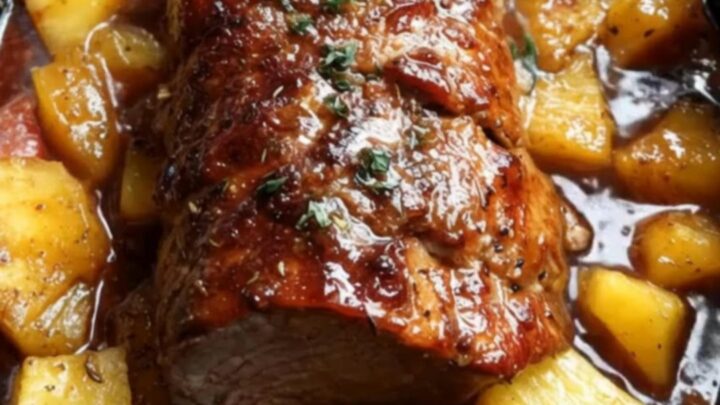
Slow Cooker Hawaiian Pork Tenderloin with Pineapple Glaze Tips, FAQ & printable recipe
- Prep
- Cook
- Total
- Serves
- 6
Tips for success
For an extra layer of flavor, consider searing the pork tenderloin in a hot skillet with a tablespoon of oil before placing it in the slow cooker.
This optional step caramelizes the outer surface of the meat, locking in juices and adding a rich, savory depth to the final dish. Additionally, a pinch of red pepper flakes can be added to the glaze for a subtle kick.
Always slice the pork tenderloin across the grain to ensure the most tender bite. When serving, spoon a generous amount of the warm glaze over the slices immediately before presentation, and keep any remaining glaze warm in a gravy boat so guests can add more to their liking at the table.
Variations
- Spicy Hawaiian Pork: Add a pinch of crushed red pepper flakes to the glaze before slow cooking for a sweet-and-spicy kick.
- Herbed Hawaiian Pork: Garnish the finished dish with chopped fresh cilantro or green onions just before serving to add bright, fresh herbal notes.
Storage and make-ahead
- Fridge
- Refrigerate leftovers in an airtight container for up to 3 to 4 days, ensuring they are cooled within 2 hours.
- Freezer
- Freeze the cooked pork and glaze in a freezer-safe container for up to 2 to 3 months. Thaw in the fridge overnight.
- Reheat
- Reheat gently in a saucepan over medium-low heat with a splash of water or broth until warmed through to 165°F (74°C).
Store any leftover Hawaiian pork tenderloin and pineapple glaze in an airtight container in the refrigerator within two hours of cooking.
Kept properly, the leftovers will remain fresh and flavorful for up to three to four days. Store the sliced meat submerged in the remaining glaze to keep the pork from drying out during storage.
The pineapple glaze can be prepared ahead of time and stored in a sealed jar in the refrigerator. The pork can also be trimmed and kept cold until ready to assemble.
Do not combine the raw pork with the glaze ahead of time, as any acidity in the glaze will begin to break down and mush the meat.
Serving ideas
Serve this flavorful pork tenderloin over a bed of fluffy white jasmine rice or coconut rice, which perfectly absorbs the sweet pineapple glaze.
A side of steamed green vegetables, such as broccoli, snap peas, or baby bok choy, adds a beautiful color contrast and a fresh, crisp texture that balances the rich sauce.
For a complete tropical feast, pair the dish with a simple cabbage slaw tossed in a light vinaigrette. The crispness of the slaw cuts through the sweetness of the glaze, creating a harmonious balance of flavors and textures on the plate.
Frequently asked questions
Can pork loin be used instead of pork tenderloin?
How can the glaze be made thicker?
Can this recipe be cooked on high heat?
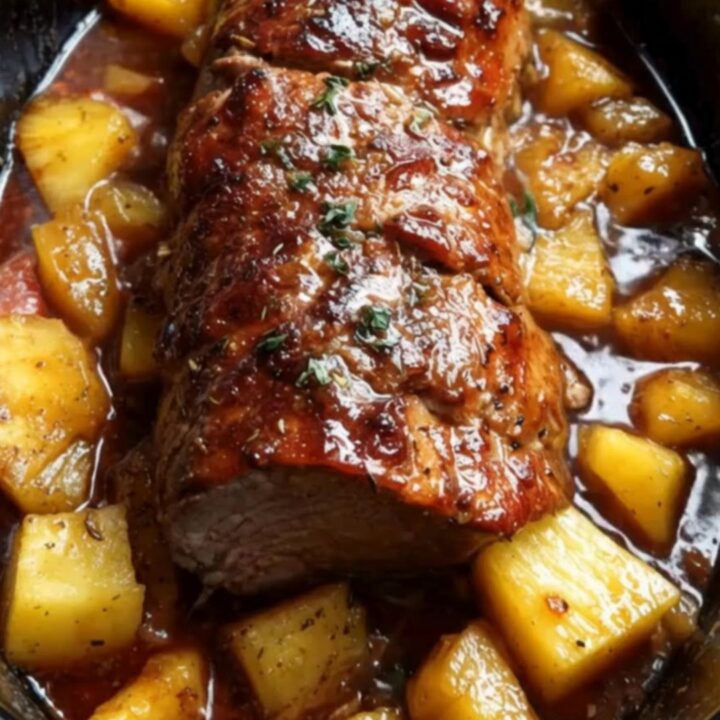
Slow Cooker Hawaiian Pork Tenderloin with Pineapple Glaze
Ingredients
- 2 lb pork tenderloin, trimmed
- 2 cups pineapple chunks
- 1 cup pineapple glaze, store-bought or made ahead
Instructions
- Place the trimmed pork tenderloins into the bottom of the slow cooker. Arrange the pineapple chunks evenly around the sides of the meat.
- Pour the pineapple glaze evenly over the pork tenderloin and pineapple chunks in the slow cooker.
- Cover the slow cooker with the lid and cook on low for 4 to 5 hours. Check the internal temperature of the pork to ensure it reaches 145°F (63°C), then remove the pork and let it rest for at least 3 minutes on a cutting board.
- Slice the tender pork into thick rounds. Ladle the warm, bubbly pineapple glaze from the slow cooker generously over the sliced meat and pineapples before serving.
Estimated nutrition per serving
- Calories
- 310
- Protein
- 33 g
- Carbohydrates
- 26 g
- Fat
- 8 g
- Fiber
- 1 g
- Sugar
- 20 g
- Sodium
- 450 mg
Next recipe

Honey Garlic Roasted Chicken with Veggies
See the recipe → →This recipe is based on a short cooking video and is published under the pen name Clara Weller. It was checked before publication, but errors can slip through. Nutrition, when shown, is an estimate. Read more in our editorial policy and on our food safety page.
More recipes to try

One-Pan Tuscan Garlic Chicken with Blistered Tomatoes
Total time: 33 min
Creamy Sausage Penne with Bell Peppers and Cheddar
Total time: 45 min
Garlic Butter Sausage and Potato Foil Packets
Total time: 40 min
Herb Roasted Chicken with Garlic Mustard Potatoes and Green Beans
Total time: 1 h
Garlic Butter Beef Spaghetti with Creamy Cheddar Parmesan
Total time: 35 min