Dinner · Part 1 of 3: Ingredients
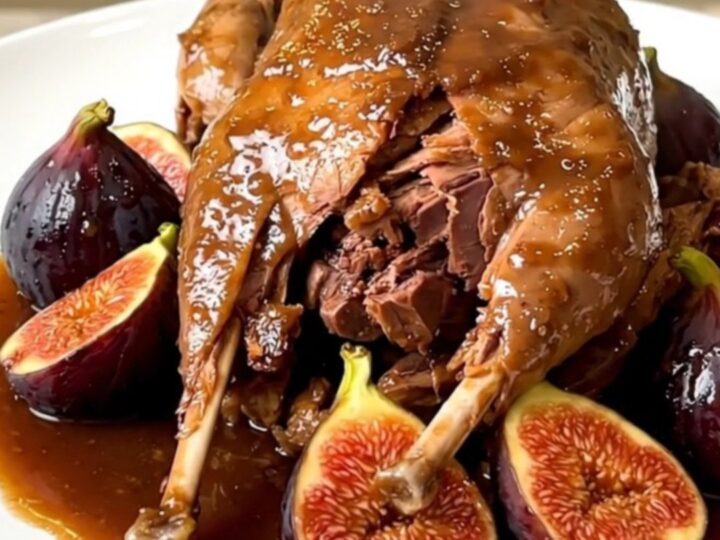
Slow Cooker Guinea Fowl with Fresh Figs and Port
- Prep
- Cook
- Total
- Serves
- 4
Discover the art of slow-cooked elegance with this guinea fowl recipe. By combining the natural sweetness of fresh figs with the deep, complex notes of ruby port wine, this dish elevates a simple poultry dinner into a gourmet experience suitable for any sophisticated gathering or a quiet, refined weekend meal at home.
Guinea fowl is prized for its lean, slightly gamey flavor that bridges the gap between chicken and wild game. When cooked slowly in a bath of port wine and veal stock, the meat becomes exceptionally tender and succulent. The addition of fresh figs adds a subtle, jammy sweetness that perfectly balances the acidity of the wine, resulting in a rich, glossy reduction that coats every piece beautifully.
This recipe relies on the gentle, steady heat of the slow cooker to break down the connective tissues, making it an ideal method for achieving professional-level results with minimal effort. Whether hosting a dinner party or simply looking to enjoy a high-quality meal, this preparation ensures that the delicate balance of fruit and savory stock remains the star of the plate.
Ingredients
Main
- 2 lbs guinea fowl pieces, bone-in and skin-on
- 3 large shallots, sliced shallots, sliced
- 6 fresh figs, halved
- 1 tbsp veal stock powder
- 1 cup ruby port wine
Why this recipe works
The slow cooker method provides a consistent, low-temperature environment that is perfect for braising poultry. By cooking the guinea fowl slowly, the meat remains moist and tender rather than drying out, which can often happen with high-heat roasting methods.
The enclosed space of the slow cooker also prevents moisture loss, allowing the port wine and veal stock to create a concentrated, flavorful sauce without requiring constant monitoring.
Layering the ingredients allows the flavors to meld effectively. Placing the guinea fowl at the bottom ensures it stays in contact with the braising liquid, while the shallots and figs on top soften gently without turning into a mush.
This controlled cooking process ensures that the structural integrity of the figs is maintained, providing a beautiful presentation and a complex textural contrast to the tender, slow-cooked meat.
Notes and substitutions
When selecting guinea fowl, look for firm skin and a natural, pinkish-red color. If fresh guinea fowl is unavailable, this recipe adapts well to chicken thighs, though the cooking time may need slight adjustment depending on the size of the pieces. Ensure the veal stock powder is of high quality, as it forms the savory backbone of the sauce; a rich, concentrated base is essential for achieving the best depth of flavor.
Ruby port is the preferred choice for this recipe due to its inherent sweetness and full body, which stands up well to the gamey notes of the guinea fowl.
If a substitution is necessary, choose a full-bodied red wine like a Cabernet Sauvignon or Merlot, but consider adding a small amount of sugar or honey to replicate the sweetness typically provided by the port. Always use a reliable slow cooker with a well-fitting lid to maintain internal heat.
- veal stock powder: chicken stock powder or bouillon base
- ruby port wine: a dry red wine mixed with a tablespoon of balsamic vinegar
Equipment
- slow cooker
- sharp chef knife
- cutting board
- measuring cups
- measuring spoons
Up next · Part 2 of 3
3 steps · 4 h of cooking · what to look for at each stage
Step-by-step instructions (Part 2)