Dinner · Part 1 of 3: Ingredients
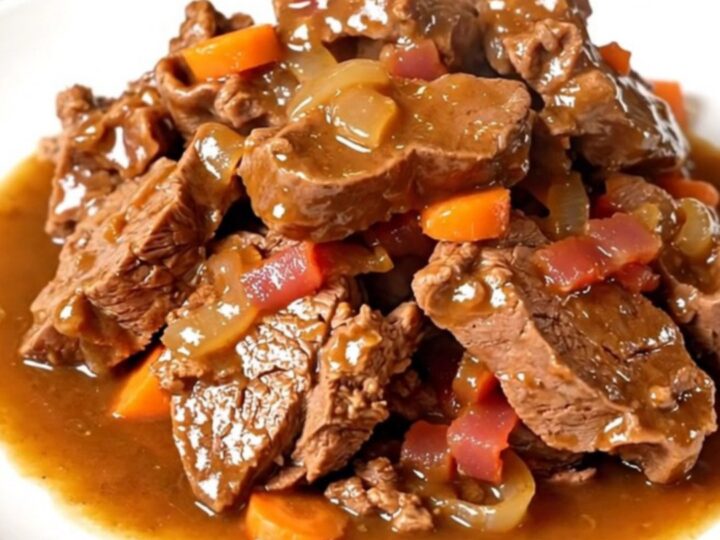
Slow Cooker Grandma-Style Veal Tendrons with Savory Bacon
- Prep
- Cook
- Total
- Serves
- 4
Discover the art of slow-cooked elegance with this traditional recipe for veal tendrons. By combining tender veal with the smoky depth of bacon and the sweetness of pearl onions, this dish creates a sophisticated yet comforting meal that requires minimal effort.
It is the perfect solution for a busy schedule when you want a high-quality, melt-in-your-mouth dinner waiting at the end of the day. This simple method elevates humble ingredients into a truly memorable dining experience for any occasion.
This Grandma-style veal tendrons recipe focuses on the beauty of slow-cooking, where time does the heavy lifting to develop complex, deep flavors. By layering ingredients in a slow cooker, the veal becomes exceptionally tender while absorbing the savory essence of bacon and the mild sweetness of sautéed aromatics.
This dish is a testament to the fact that great cooking does not need to be complicated. With just a few minutes of prep, you can create a succulent, restaurant-quality meal that feels both rustic and refined, making it a reliable staple for your home cooking repertoire.
Ingredients
- 2 lb veal tendrons
- 6 oz bacon lardons
- 1 cup pearl onions, peeled
- 2 cups carrots, sliced
- 1 tsp dried thyme
- 2 cups chicken broth
Why this recipe works
The slow cooking method is ideal for veal tendrons because it allows the connective tissue to break down gradually over several hours. This process transforms tougher cuts into exceptionally tender morsels that practically melt in the mouth. By using a low, consistent heat, the moisture remains trapped inside the slow cooker, ensuring the meat stays succulent rather than drying out, as it might in a high-heat oven or stovetop braise.
Layering the ingredients allows the flavors to meld effectively without the need for constant stirring or monitoring. The bacon fat renders slowly, basting the veal and vegetables with smoky richness, while the chicken broth provides a clean, savory foundation for the sauce.
This hands-off approach ensures that the vegetables retain their structure while absorbing the juices, resulting in a cohesive dish where every component contributes to a balanced, deeply flavorful final result.
Notes and substitutions
Veal tendrons are a specific cut that benefits greatly from long, slow cooking. If you cannot find them, look for veal shoulder or a high-quality chuck roast, which offers a similar texture when braised. The key is to ensure the meat is cut into uniform pieces so it cooks evenly throughout the cycle. If using bacon lardons, look for a high-quality smoked variety to provide the best depth of flavor to the sauce, as the bacon serves as the primary seasoning agent.
For the vegetables, pearl onions provide a delicate sweetness that contrasts well with the savory bacon. If pearl onions are unavailable, you can substitute with small shallots or even quartered red onions, though the texture will differ slightly.
The chicken broth should be full-bodied; using a homemade or high-quality store-bought option makes a significant difference in the finished sauce. Always ensure the slow cooker is not filled past its maximum capacity to allow for proper heat circulation and even cooking.
- veal tendrons: veal shoulder or chuck roast cut into large chunks
- bacon lardons: thick-cut bacon slices cut into matchsticks
Equipment
- Slow cooker
- Measuring cup
- Chef knife
- Cutting board
Up next · Part 2 of 3
3 steps · 8 h of cooking · what to look for at each stage
Step-by-step instructions (Part 2)